



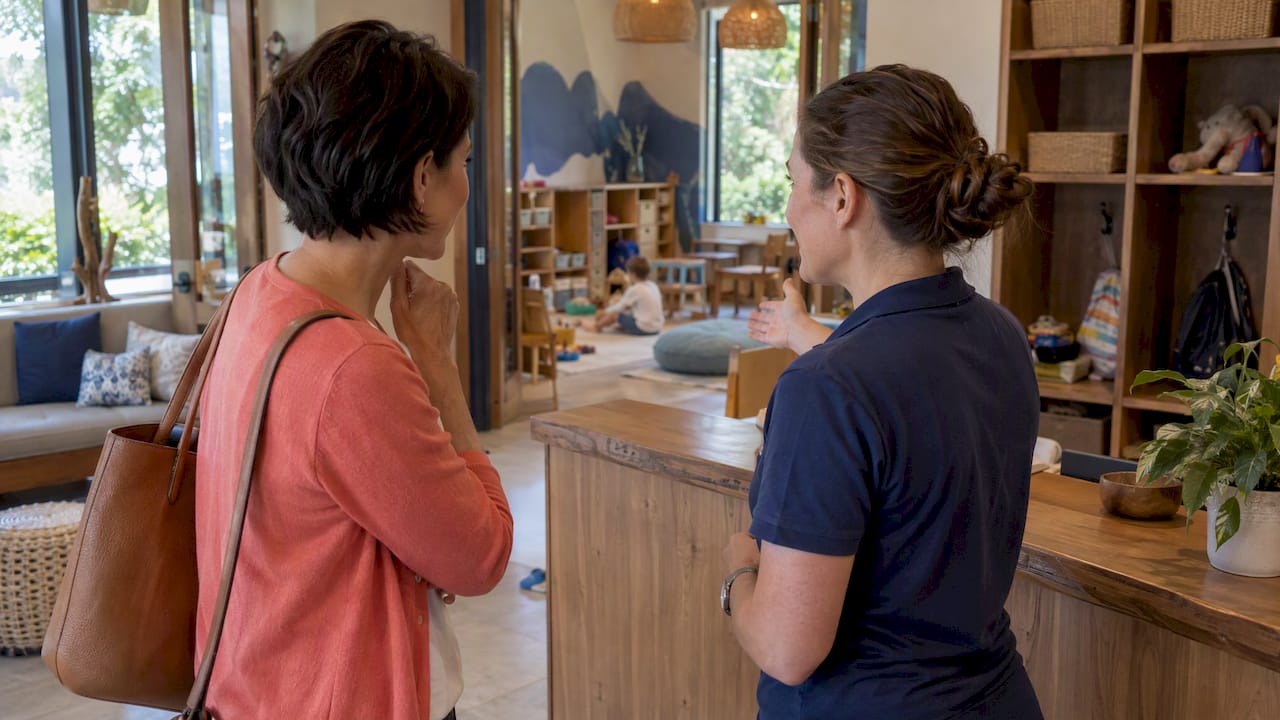
The best kids club for your family is not the one with the fanciest clubhouse or the biggest brand name. It is the one whose operating model, age-segmented programming, supervision standard, and inclusivity actually match your child’s needs and your own vacation goals. Use the checklist below to compare properties, confirm the details in writing, and decide with confidence before you reserve.
TL;DR:
- Staff-to-child ratios should be verified for each age group and time of day to ensure proper supervision and safety.
- Property-specific programming and staffing quality are more important than resort brand names or marketing claims.
- Confirm clear sign-in, pick-up protocols, medical readiness, and security measures before booking a kids club.
- Age segmentation with dedicated zones and tailored activities greatly improves engagement and reduces meltdowns for children.
- Pricing may include fees for evening or special support services; always clarify policies and availability in advance.
Table of Contents
- What luxury resort kids clubs actually offer
- How to evaluate a resort kids club before you book
- Age segmentation and sample programming from toddlers to teens
- Costs, inclusions, and the logistics that catch families off guard
- Safety, accessibility, and inclusion standards worth asking about
- Planning checklist and packing list for kids-club day one
- How kids club quality shapes the whole resort stay
- The real benefits of a well-run kids club
- Matching the club to your child’s actual interests
- Technology and screen time rules inside resort kids clubs
- How a luxury travel planner verifies kids-club claims
- Booking a family stay with verified kids-club access
- FAQ
- Sources
What luxury resort kids clubs actually offer
Resort kids clubs are not interchangeable, even within the same hotel brand. Some operate as fully staffed day camps with structured schedules, others as drop-in playrooms where parents sign a child in and out at will, and a growing number split the difference depending on the hour and the child’s age. According to AFAR’s roundup of the world’s best hotel kids clubs, brand name is a poor proxy for program quality: the meaningful comparison happens at the property level, not the collection level.
The four operating models you will encounter most often:
- Supervised day camps: Staffed sessions with a set schedule, a defined child-to-staff ratio, and formal sign-in and sign-out procedures.
- Drop-in supervised playrooms: Staff present at all times, but children move freely between activities rather than following a fixed itinerary.
- Teen-only spaces: Separate lounges, gaming setups, or sports programming for older kids who have outgrown the younger-child clubhouse.
- Evening programs: Supervised dinner-hour or overnight childcare, sometimes billed separately from daytime programming.
Within those models, the signature experiences vary widely and often reflect where the resort is located. The Ritz-Carlton, Naples redesigned its Ritz Kids space around seven daily themes tied to coastal ecology, covering sea creatures, local wildlife, shoreline habitats, and environmental responsibility, alongside complimentary indoor games, according to AFAR. Other properties lean into culinary classes, pizza-making workshops, or full theatrical productions. JW Marriott Maldives built its Family by JW “Little Griffins” program around a pirate-ship play structure with more than 100 activities spanning culinary, creative, and active play, though hours, age bands, and fees vary by season and should be reconfirmed before booking, per reporting on the resort’s kids club.
Property-level programming, not brand collection, determines quality. AFAR notes that a club marketed under a shared name like Ritz Kids or Kids for All Seasons can still differ enormously in staffing and supervision from one property to the next, which is exactly why verification matters more than the label on the door.
Inclusion patterns also differ by business model. Many all-inclusive resorts fold kids-club access into the nightly rate, while a la carte luxury properties often charge per session, per day, or per evening booking. A club described as “complimentary” at one resort might be a paid add-on at its sister property across town, so the model behind the marketing matters more than the marketing itself. If your family is drawn to destination-linked programming such as wildlife walks, farm visits, or cooking classes tied to the local culture, Elite Travel’s guidance on adventure travel vacation packages covers how these experiences are typically structured for families.
How to evaluate a resort kids club before you book
A glossy brochure photo tells you almost nothing about what a day actually looks like inside the clubhouse. The questions below get you the operational detail that actually predicts whether your child will be safe, engaged, and happy there.
- Ask for the staff-to-child ratio and whether it changes by age group or time of day.
- Confirm the sign-in and sign-out protocol: who is authorized to pick up your child, and what identification is required.
- Check medical readiness: is a staff member trained in first aid or CPR present during all operating hours.
- Ask about security measures at the clubhouse entrance, pool areas, and any water features.
- Request the ratio of structured activities to free play so you know whether the day is fully scheduled or more open-ended.
- Get a sample daily schedule in writing, not just a list of activity categories.
- Ask for staff credentials, including any child development, lifeguard, or special-needs training.
- Clarify the meal policy: are snacks and lunch included, and how are allergies handled.
- Review cancellation and no-show terms for pre-booked sessions.
Pro Tip: Ask specifically whether the clubhouse is staffed at all times or only during posted “camp hours.” A self-access playroom with toys but no attendant is common at smaller properties and functions very differently from a staffed camp, even when both are called a “kids club” on the resort website.
A few red flags are worth treating as deal-breakers rather than minor quibbles. Vague answers about who can pick up a child, no clear explanation of staff qualifications, or fee disclosures that only surface once you are on property all suggest a program that has not been built with much rigor. A resort that hesitates to share a daily schedule in advance is usually a resort that does not have a consistent one. On the other hand, a property that happily sends over a sample itinerary, a staff bio sheet, and a written allergy policy is signaling the kind of operational discipline that tends to carry through to the actual experience.
Age segmentation and sample programming from toddlers to teens
Age-appropriate programming is not a nice-to-have, it is the difference between a child who thrives at the clubhouse and one who melts down by 10 a.m. The strongest resort programs segment space and scheduling by developmental stage rather than lumping a wide age range into one room.
- Toddlers (roughly ages 1 to 3): Shorter activity blocks, built-in nap time, and a quiet space with cots. Maxx Royal Bodrum’s Maxxi Land includes nap cots with a sleep playlist specifically for this age group, according to AFAR’s review of the property.
- Preschool (roughly ages 4 to 6): Shorter, rotating activities such as arts and crafts, music, and supervised water play, with frequent transitions to hold attention.
- School-age (roughly ages 7 to 12): Full-day immersive camps with themed activities, sports, and sometimes off-site excursions. Four Seasons Resort Orlando’s Kids for All Seasons serves children in roughly this range with supervised swimming sessions and outdoor games, per program details from The Kids Club Collection.
- Teens (roughly ages 13 and up): Separate lounges, gaming setups, sports clinics, or social programming rather than a shared room with younger kids.
Maxxi Land illustrates how far age segmentation can go at a resort-scale property, with separate zones for different age groups, a cinema, theater productions, and science and nature workshops, at a property with 282 suites and villas that opened in May 2024, according to AFAR.
Before booking, ask directly whether the resort provides physically separate spaces for different age bands or simply divides one room by activity schedule. A single clubhouse that rotates a 3-year-old and a 10-year-old through the same games at the same time is a sign of a one-size-fits-all program, even if the marketing describes “age-appropriate activities.”
Costs, inclusions, and the logistics that catch families off guard
Pricing structures for resort kids clubs vary enough that assuming “luxury resort” means “complimentary childcare” is a common and costly mistake. Some all-inclusive properties fold programming into the nightly rate entirely, while others charge per session, per half day, or per evening, often with a premium for late-night or overnight supervision.
- Daytime sessions: Frequently complimentary at all-inclusive resorts, but billed per child per day at many a la carte luxury properties.
- Evening and overnight programs: Usually carry an additional fee even when daytime sessions are included.
- One-to-one support: Specialist care, such as a dedicated buddy for a child with additional needs, is typically priced separately. Beaches offers an optional 1:1 Beaches Buddy at $20 per hour, according to Travel Weekly’s coverage of the program.
- Meals: Some clubs include snacks and lunch in the session fee, others charge separately. Four Seasons Resort Orlando’s program may or may not include kids-club meals depending on the specific property policy, so it is worth confirming directly, per The Kids Club Collection.
A one-to-one buddy priced at $20 an hour through a program like Beaches, according to Travel Weekly, can add up over a weeklong stay, so it is worth budgeting for explicitly rather than treating it as an incidental add-on.
Before you travel, confirm the reservation window for popular sessions (some fill up weeks in advance during peak season), the cancellation policy for pre-booked blocks, any late-pickup fee, and whether the resort requires a signed waiver or photo ID at drop-off. All-inclusive properties tend to bundle these logistics more generously than standalone luxury hotels, which is one reason Elite Travel’s guidance on all-inclusive vacation packages is a useful starting point for families comparing inclusion structures.
Safety, accessibility, and inclusion standards worth asking about
Staff training matters more than square footage or theming. Beaches Turks & Caicos operates supervised inclusive day camps for guests of all ages and abilities, and the company holds IBCCES Advanced Certified Autism Center status, with more than 80% of guest-facing staff participating in ongoing autism awareness and competency training, according to Travel Weekly. A certification like this signals that training extends beyond a handful of specialists to a meaningful share of the staff a family will actually interact with.
- Ask whether the resort holds a recognized accessibility or autism-care certification, such as IBCCES, and what share of staff completed the training.
- Ask about one-to-one buddy or companion services for children who need additional support, and how those staff are vetted.
- Confirm physical accessibility: ramps, accessible restrooms, and sensory-friendly quiet spaces within the clubhouse.
- Ask how staff communicate dietary restrictions and medical needs across shifts, not just at check-in.
Pro Tip: If your child benefits from one-to-one support, ask the resort or your travel planner to confirm the buddy’s background check and training documentation in writing before you arrive, not after.
Inclusion and accessibility features can matter more to many families than an impressive clubhouse design, a point reflected in coverage of accessible family resorts such as Treasure Beach Village at Beaches Turks and Caicos.
Planning checklist and packing list for kids-club day one
A smooth first day at the clubhouse starts well before you land. A short pre-trip checklist avoids the two most common frustrations: arriving to find a session fully booked, or discovering a policy gap around medication or allergies only after your child is already enrolled.
- Confirm operating hours and reserve sessions in advance, especially during school holidays and peak season.
- Request staff credentials and the current ratio policy directly from the resort or your travel planner.
- Declare allergies, medical conditions, and medication needs in writing before arrival, not verbally at drop-off.
- Pack a labeled swimsuit, closed-toe shoes, and a full change of clothes, standard requirements at programs like Four Seasons Resort Orlando’s Kids for All Seasons, per The Kids Club Collection.
- Bring sunscreen and any medication with written administration instructions attached.
- Pack a comfort item for nap time if your child is in the toddler or preschool age band.
- On arrival, tour the clubhouse and meet the staff before leaving your child for the first session.
- Confirm the pickup protocol and exchange emergency contact information with the staff directly.
Families planning an international trip should also check current passport, visa, and medication-carry guidance through resources like the U.S. Department of State’s international travel information, particularly if prescription medication needs to cross borders. Elite Travel’s broader guide to planning the perfect luxury vacation walks through the pre-trip steps that pair well with this checklist.
How kids club quality shapes the whole resort stay
A strong kids club changes the shape of a family vacation far beyond the hours a child spends inside it. When parents trust the program, they actually use their downtime: a spa appointment, a quiet lunch, an uninterrupted swim. When the program feels disorganized or understaffed, parents tend to hover nearby or cut sessions short, which erodes the relaxation the resort was supposed to provide in the first place.
The reverse is just as true for kids. A child who comes back from the clubhouse animated about the pirate ship obstacle course or the tide-pool walk tends to carry that energy into dinner and the next day’s plans, while a child who was bored or anxious during a session can sour the mood for the rest of the stay. Because the clubhouse experience touches both the parents’ sense of ease and the child’s own enjoyment, it often ends up shaping how a family remembers the entire trip, not just the hours spent there. That is one reason property-level verification is worth the extra effort before booking rather than after.
The real benefits of a well-run kids club
The appeal of a good kids club goes beyond simply freeing up a few hours by the pool. Parents get stretches of real rest, whether that means a treatment at the spa, a quiet dinner, or just an uninterrupted conversation, and that rest tends to carry over into a more relaxed, present version of themselves once the family reconnects.
Children benefit in their own right. A well-run program puts kids alongside peers their own age, which builds social skills that are harder to practice at home or in a hotel room. The best programs also layer in genuine skill development: a cooking class that teaches basic kitchen safety, a nature walk that introduces local ecology, or a theater production that builds confidence performing in front of others. None of that requires a five-star price tag so much as a staff that takes the programming seriously rather than treating the clubhouse as a holding pen. The combination, rested parents and engaged kids, is usually what separates a trip people talk about fondly from one they just remember surviving.
Matching the club to your child’s actual interests
The flashiest clubhouse is not automatically the right one for your child. A quiet, book-loving 8-year-old may do better at a resort with a strong arts-and-reading corner than one built around high-energy water sports, while an athletic teenager might be miserable at a property whose teen space amounts to a lounge with a television.

Start by asking what genuinely excites your child: building things, animals, water, performing, cooking, sports. Then match that against the resort’s specific programming rather than its general reputation. A property known for culinary kids’ classes is a poor fit for a child who has no interest in cooking, no matter how well-reviewed the program is overall. If your child has sensory sensitivities or needs extra support, prioritize resorts that can document real accessibility training over ones that simply look accommodating in photos. And if siblings have very different interests, check whether the age-segmented zones allow each child to opt into different activities during the same time block rather than forcing a single shared schedule.
Technology and screen time rules inside resort kids clubs
Screen time policy is one of the least visible details in kids-club marketing, and one of the most relevant if you are trying to use a vacation to reset your child’s habits. Policies vary widely: some programs are almost entirely screen-free, built around physical activities, crafts, and outdoor play, while others use tablets or a dedicated cinema room as a scheduled part of the day, particularly during downtime or bad weather.
If screen time is a concern for your family, ask directly what the daily schedule includes and whether digital activities are optional or built into the core program. A club heavy on outdoor, maker, and social activities will naturally limit screen exposure without needing an explicit policy, while a club with a dedicated cinema or gaming room, which some teen spaces include by design, treats screens as a feature rather than a fallback. Neither approach is inherently better, but it is worth knowing which one you are booking before your child spends a week there.
How a luxury travel planner verifies kids-club claims
Resort marketing describes programs in the best possible light, which is exactly why verification matters before you commit a family vacation to a property you have never seen in person. A luxury travel planner confirms staff credentials directly with the property, gets inclusions and fee structures in writing rather than relying on a sales page, and negotiates credits or arranges one-to-one support when a family needs it. We also work to secure arrival and transfer timing that gets kids settled before their first clubhouse session rather than rushing in mid-schedule.
Part of the job is matching the family’s real priority, not just the destination, as explained in this luxury sports travel terminology guide. Some families want an enrichment-first property built around cultural or nature-based programming; others need a childcare-first setup with long hours and reliable staffing so parents can actually disconnect. Those are different booking decisions, and getting it right starts with asking the right questions before a deposit goes down.
— tammylevent@gmail.com
Booking a family stay with verified kids-club access
Experienced luxury travel planners spend years matching families with resorts whose kids clubs actually deliver on their marketing, not just the ones with the best photos. They confirm staffing credentials, reserved session availability, special-diet menus, and one-to-one support arrangements before you ever check in, typically without service fees and often with price match guarantees offered by some agencies.

- Concierge verification: Program details, inclusions, and fees are often confirmed in writing with the property by travel planners.
- One-to-one and accessibility arrangements: Travel planners often help secure buddy support or special-needs accommodations ahead of arrival.
- 24/7 support: Support availability before, during, and after trips varies by travel planner, as travel questions can arise anytime.
Start planning your family’s next trip with our luxury vacation packages and let us confirm the kids-club details before you book.
FAQ
Which all-inclusive resort has the best kids club?
There is no single best all-inclusive kids club; suitability depends on your child’s age, needed supervision level, and your family’s goals, according to AFAR’s roundup of top hotel kids clubs. Properties like Beaches Turks & Caicos stand out for inclusive, accessibility-focused programming, while others emphasize ecology or culinary themes, so compare the specific program against your child’s interests rather than the resort’s general reputation.
Which hotel has the best kids club?
Quality varies by property even within the same hotel collection, so the “best” hotel kids club depends on the individual resort’s staffing, supervision model, and age-segmented programming rather than the brand name alone, per AFAR. Properties such as Maxx Royal Bodrum and Four Seasons Resort Orlando illustrate very different but strong models worth comparing directly.
What is the best kids club in the world?
There is no definitive ranking of a single best kids club worldwide; evaluation depends on program model, age fit, supervision, and inclusivity rather than one universal standard. AFAR highlights distinct high-quality examples like Six Senses’ Grow program and Four Seasons’ Kids for All Seasons as different models worth considering, according to AFAR’s hotel kids clubs feature.
Which resort has a kids club with themed, immersive programming?
JW Marriott Maldives’ Family by JW “Little Griffins” program is built around a pirate-ship setting with more than 100 activities spanning culinary, creative, and active play, according to reporting on the program. Hours, age bands, and fees vary by season, so confirm current details before booking.
How can a travel planner help verify a resort’s kids-club quality?
A luxury travel planner can confirm staff credentials, supervision ratios, and fee structures directly with the resort in writing before you book, rather than relying on marketing descriptions alone. Elite Travel Management Group also helps arrange one-to-one support and special accommodations as part of its concierge planning service.
Sources
- The Best Hotel Kids Clubs Around the World – AFAR
- Beaches offers programs and services for guests with autism
- Four Seasons Resort Orlando — Kids for All Seasons
- Maxx Royal Bodrum — AFAR review
- JW Marriott Maldives introduces new kids club
