




Hotel club level gives you a private lounge floor, complimentary meals and drinks on a set schedule, and dedicated concierge help. It usually pays off in convenience and time saved, not in direct dollar-for-dollar meal savings. The upgrade makes sense when your itinerary keeps you at the hotel enough to actually use the lounge; skip it if you’ll spend most days out.
TL;DR:
- Upgrading to club level is most beneficial for travelers who stay long enough to use lounge services multiple times daily.
- Lounge features typically include breakfast, midday snacks, afternoon tea, and evening hors d’oeuvres with alcohol, but hours and offerings vary by property.
- The nightly premium for club level generally ranges from $50 to $200 in the U.S., but at Disney resorts, it can reach $300 to $500 or more, driven by resort rates.
- Access is usually granted through booking a club room, qualifying via elite loyalty status, or buying a day pass where available, with rules differing by brand and property.
- The true value lies in reduced friction and convenience, such as private check-in and quiet workspace, which benefits families and business travelers more than the food alone.
Table of Contents
- What Does Club Level Mean at a Hotel?
- What Do Club Lounges Actually Offer?
- Who Gets Access to the Club Lounge?
- How Much Does Club Level Actually Cost?
- Is Club Level Worth It? A Simple Decision Framework
- Brand and Regional Differences You Should Expect
- Booking Checklist: Exact Questions to Ask Before You Pay
- Club Level Versus Other Room Upgrades
- How Club Level Changes the Overall Stay
- Getting the Most Out of Your Club-Level Stay
- A Publisher’s Take on Club-Level Value
- Let Elite Travel Confirm the Upgrade Is Worth It
- Sources
- FAQ
What Does Club Level Mean at a Hotel?
Club level, also called executive level or concierge level, is a separate tier of rooms tied to a private lounge floor with restricted key-card access. The naming shifts by brand: Marriott and Hilton tend to say “executive lounge,” while others use “club lounge” or “concierge lounge.” Whatever the label, the structure is nearly identical: a dedicated floor or wing, a staffed lounge, and food and beverage services on a fixed daily schedule.
The room itself sometimes gets small upgrades beyond lounge access. That might mean better toiletries, a stocked minibar, a higher floor with a better view, or a welcome amenity waiting when you check in. None of that is guaranteed. Some properties treat club level purely as a lounge-access tier with an identical room to the rest of the floor below it. The lounge, not the room, is the smartest decision I make on every trip, according to one longtime club-level traveler.
What Do Club Lounges Actually Offer?
A well-run lounge runs on a schedule, and knowing that schedule is how you figure out if the upgrade is worth booking.
- Breakfast, usually a hot buffet plus coffee, similar to what you’d get at a restaurant on-site.
- Midday snacks, often light and self-serve, meant to bridge the gap between meals.
- Afternoon tea, common at international properties, less so at U.S. mainland chains.
- Evening hors d’oeuvres and cocktails, typically the biggest draw, running one to two hours with wine, beer, and sometimes spirits included.
Pro Tip: Ask specifically whether alcohol is included or a cash bar. Some lounges pour wine and beer free during the evening hour but charge for anything stronger.
Beyond food, the lounge often functions as a quiet workspace with better Wi-Fi and fewer interruptions than the lobby. A dedicated concierge staffs the desk and can fix a broken reservation or handle a complicated request faster than the main front desk, since their whole job is club-level guests.
Who Gets Access to the Club Lounge?
Three paths get you through that key-card door.
- Book a club or concierge-rate room. This is the most direct route and guarantees access for the length of your stay.
- Qualify through hotel loyalty status. Marriott Bonvoy Platinum, Titanium, and Ambassador Elite typically get lounge access for the member plus one guest; Hilton Diamond usually includes one additional guest; Hyatt Globalist often covers up to two adults and two children. Exact allowances vary by property and program.
- Purchase a day pass, where offered. Not every hotel sells one, and the ones that do often cap it per person, per day.
Guest allowances and blackout rules shift by brand and even by individual property, so what your status got you at one hotel might not carry over to the next. It’s also worth knowing that not every hotel reopened its lounge after pandemic-era closures, and some run reduced hours permanently now. Confirm before you book, not after you arrive.
How Much Does Club Level Actually Cost?
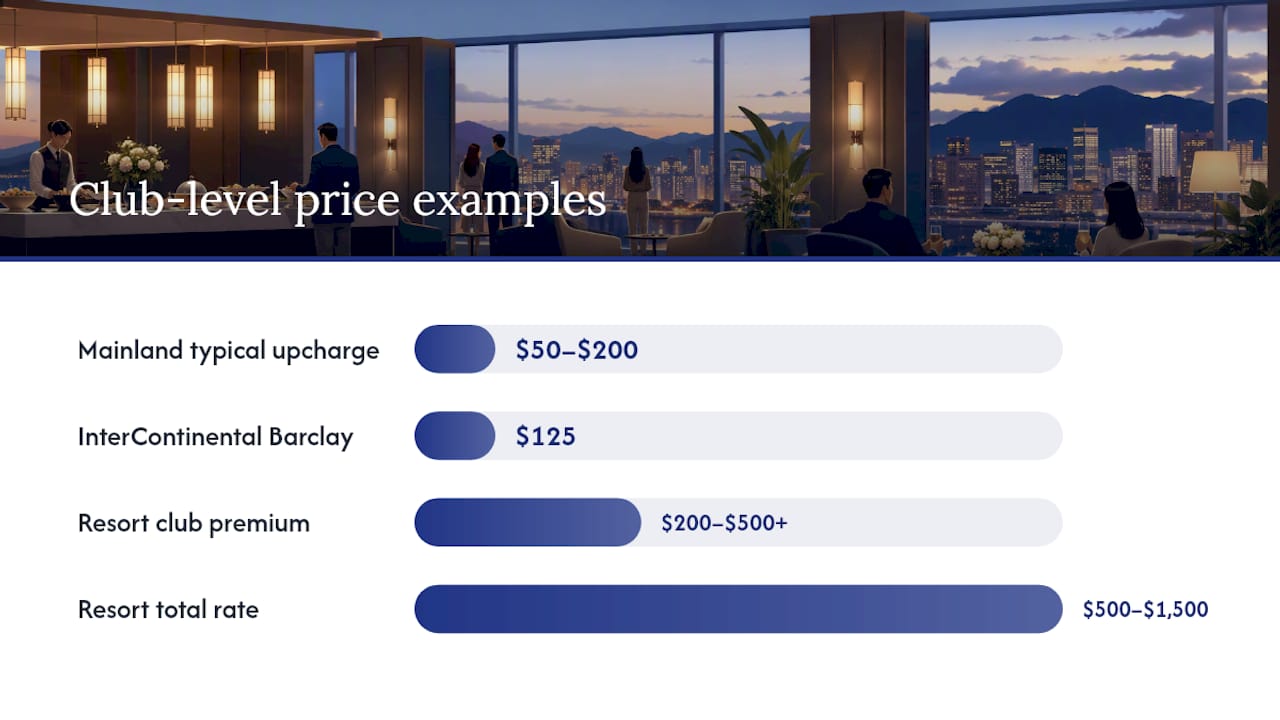
Nightly upcharges for club level generally run from $50 to $200 above a standard room at mainland U.S. chain hotels, with the spread driven by brand tier, season, and how much room inventory sits behind the lounge floor. A luxury flagship property in high season sits at the top of that range; a mid-tier chain hotel in a smaller market sits near the bottom.
One documented case at the InterContinental New York Barclay showed a Club InterContinental rate running about $125 higher per night than the standard room on the same date.
Disney resorts push the number much higher. Club-level rooms there commonly land between $500 and $1,500 per night total, with the club-access portion of that price starting around $200 a night and frequently running $300 to $500 or more depending on resort and travel dates. Resort-destination pricing and captive demand explain most of that gap; you’re not just paying for the lounge, you’re paying Disney resort rates on top of it.
Is Club Level Worth It? A Simple Decision Framework
The upgrade earns its cost through repetition, not one great breakfast. If you’ll use the lounge for two or three meals or services daily across your stay, the math works in your favor. If you’re out the door by 7 AM and back after 10 PM most nights, you’re paying for a room you’ll barely see between café visits.
Run through this checklist before you decide:
- Check your arrival and departure times. A late checkout and an early lounge breakfast on departure day alone can justify part of the cost.
- Count the days you’ll actually be on property. A beach or resort stay with lounge time built in pays off faster than a city trip packed with dinner reservations elsewhere.
- Think about your group. Families with kids often lean on the lounge for easy breakfasts and evening snacks; solo business travelers may value the quiet workspace more than the food.
- Weigh convenience against cash savings. The real value tends to be reduced friction, meaning time saved and easier reservations, more than a direct dollar offset on meals.
Pro Tip: Book the club-rate room first, then email the hotel to confirm current lounge hours and menu before your trip. Hours change more often than listings get updated, and a lounge running reduced hours isn’t worth a $200 nightly premium.
Brand and Regional Differences You Should Expect
Lounge quality is not consistent, and assuming a “club level” label means the same experience everywhere is the most common mistake travelers make. Asian properties, particularly Ritz-Carlton locations, are frequently cited as delivering noticeably stronger lounge experiences than comparable U.S. hotels, with more elaborate food service and longer operating hours.
Some luxury brands skip club lounges entirely at certain properties, preferring to fold that value into the base room rate instead. Mass-market chains lean harder on lounges as a loyalty perk, since it’s a visible benefit that rewards elite status.
Disney remains its own category. Club-level rooms there typically include escorted check-in, personalized concierge help with dining reservations, and evening offerings tuned to families rather than business travelers, alongside those higher nightly rates.
Booking Checklist: Exact Questions to Ask Before You Pay
Don’t take the room description at face value. Call or email and ask directly.
- What are the current lounge hours? Get specifics, not “usually open in the morning.”
- Which meals are actually served, and is alcohol included during the evening hour or a cash add-on?
- What’s the guest allowance for your specific room, especially if you’re traveling with more than two people?
- Can you see a sample menu from the past week? Lounges rotate, and a recent menu tells you more than a marketing photo.
- Does the rate include private check-in, and is that meaningfully faster than the main lobby?
A crowded, understaffed lounge with a picked-over buffet at 8 AM is a common failure mode, especially at high-occupancy resorts. If recent reviews mention lines or empty food stations, the standard room and a nearby restaurant might serve you better than the upcharge.
Club Level Versus Other Room Upgrades
Club level competes with a handful of other upgrade paths, and it’s worth knowing what you’re giving up or gaining against each one. A suite upgrade buys you square footage: more living space, sometimes a separate sitting area, but no meals and no concierge desk. If your priority is room to spread out with kids or extended family, a suite often beats club level on comfort per dollar.
A higher-floor or better-view room upgrade is usually the cheapest option and delivers exactly one thing: a nicer window. It won’t save you money on meals or give you a private check-in line, but it’s a low-cost way to improve a stay if lounge access doesn’t interest you.
Club level’s real competitive advantage shows up against paying out of pocket for hotel restaurant breakfast and evening drinks. A hotel breakfast buffet alone can run $25 to $45 per person at many full-service properties; add an evening cocktail or two and a family of four can spend well past the club-level upcharge in a single day of dining on-site. That’s the comparison that actually matters for a multi-night stay.
Where club level loses to a straightforward room upgrade is flexibility. A bigger room or better view works for every kind of traveler on every kind of schedule. Club level only delivers value if your daily pattern lines up with the lounge’s operating hours, which is a real constraint a suite upgrade never has.
How Club Level Changes the Overall Stay
The biggest shift club level creates isn’t the food, but rather the streamlined experience enabled by a dedicated hotel check-in process workflow that often includes private check-in and concierge assistance. It’s the reduction in small daily friction that adds up over a multi-night stay. A private check-in desk means skipping the main lobby line after a long flight. A concierge who already knows your room number and preferences can rebook a dinner reservation or troubleshoot a mixed-up confirmation faster than calling the main front desk queue.
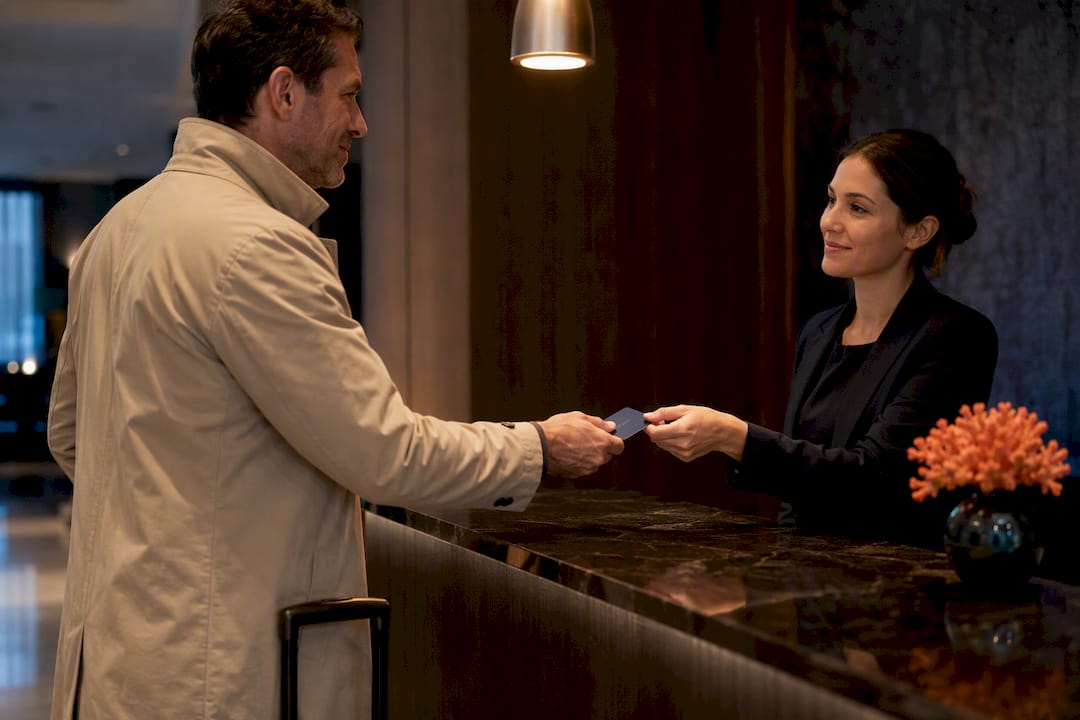
For families, that friction reduction often matters more than the food itself. A parent traveling with young kids who can grab a quick breakfast without waiting for a table, or get bottled water and snacks without a lobby-shop run, experiences a smoother stay independent of any dollar savings.
For business travelers, the lounge frequently functions as a de facto meeting space. Quieter than the lobby, often with better Wi-Fi, and sometimes with a small conference room available on request at larger properties. That’s a real amenity if you’re working between meetings, and it’s one guests rarely factor in when they’re only pricing the upgrade against breakfast cost.
The flip side: a poorly run lounge can make a stay feel worse, not better. Overcrowding, understaffed evening service, or a lounge that closes early relative to your schedule turns the upgrade into a minor daily irritation. Guest satisfaction with club level correlates directly with whether the lounge matches the pace of the stay, which is exactly why the decision framework above matters more than the sticker price.
Getting the Most Out of Your Club-Level Stay
A few habits separate travelers who feel the upgrade paid off from those who regret it.
Show up to breakfast near opening, not the last thirty minutes. Lounges restock heaviest early in the service window, and a 9:50 AM arrival for a 10 AM close often means picked-over trays. The same logic applies to evening hors d’oeuvres: arriving within the first hour of a two-hour window gets you the freshest spread and the shortest line.
Use the concierge desk for more than directions. Ask about restaurant reservations, park logistics if you’re at a resort, or transportation booking. That’s precisely the kind of high-touch problem-solving the desk exists for, and most guests never ask for anything beyond a recommendation.
Check lounge hours against your actual daily plan before you commit, not after. If breakfast closes at 10 AM and your group won’t be up before 9:30, you’re paying for a service window you’ll barely use.
Finally, treat the lounge as a workspace option during slow afternoon hours. It’s often quieter than a hotel bar or lobby and doesn’t require ordering anything to use the tables.
A Publisher’s Take on Club-Level Value
The instinct to treat club level as a math problem, comparing the upcharge against buffet prices, misses what actually drives satisfaction: whether the lounge fits how you travel. That’s exactly where a booking gets complicated for larger families, milestone trips, or resort stays with high seasonal demand, and it’s where a second set of eyes helps.
An advisor can confirm lounge hours before you commit, negotiate room placement on the floor, and often bundle perks that don’t show up on a public rate page. Elite Travel’s concierge approach to itinerary design, built over 35 years of luxury travel planning, exists for exactly this kind of decision.
— tammylevent@gmail.com
Let Elite Travel Confirm the Upgrade Is Worth It
Elite Travel checks the details a booking page won’t show you: current lounge hours, what’s actually on this week’s menu, whether the room placement is worth the premium, and whether bundled perks like private check-in are included or an add-on.

That verification matters most on resort stays and family trips where the club-level cost climbs fast, exactly the kind of trip where concierge-level service pays for itself in avoided guesswork. Some luxury travel agencies charge no service fees, back bookings with a price-match guarantee, and offer 24/7 availability because travel questions rarely wait for business hours.
If you’re weighing a club-level upgrade for an upcoming trip, whether it’s a family resort stay, a milestone celebration, or a longer international itinerary, start a conversation about your Europe vacation and get a second opinion before you pay the premium.
Sources
- Why Upgrading to My Hotel’s Club Level Is the Smartest Decision I Make on Every Trip
- What is a hotel club lounge, and how do you get access? – The Points Guy
- Hotel club lounges guide – One Mile at a Time
FAQ
What Does Club Level Mean at a Hotel?
Club level is a premium room tier, sometimes called executive or concierge level, that includes access to a private lounge with complimentary food and drinks on a set schedule and dedicated concierge staff.
Is Club Level Worth It?
It’s worth it when your itinerary keeps you on-site enough to regularly use lounge meals and services; the value comes mainly from convenience and reduced friction, not guaranteed cost savings.
How Much Does It Cost to Stay Club Level at Disney?
Disney club-level rooms typically total $500 to $1,500 per night, with the club-access portion of that price often starting around $200 nightly and frequently reaching $300 to $500 or more depending on resort and season.
Is Marriott Club Level Worth It?
For Marriott, it depends on your status: Bonvoy Platinum, Titanium, and Ambassador Elite members often get lounge access for free with one guest, making the upgrade an easy win, while non-elite guests should weigh the paid rate against how many lounge meals they’ll actually use.
