
A good European incentive trip starts with the outcome you want from it, then the destination, then the calendar. Italy, Portugal, Spain, France, Switzerland and the UK all work for U.S. groups, but each rewards a different kind of team. Below you will find how to match place to people, when to go, what American travelers must now complete at the border, and what to lock down before you announce the reward.
TL;DR
- Choose the destination by the experience you want winners to talk about afterward: food and wine in Italy, coast and golf in Portugal, scenery and craftsmanship in Switzerland, city culture in Spain and France.
- Shoulder seasons (spring and early fall) usually give you better pricing and thinner crowds than July and August. See our Europe shoulder season guide.
- U.S. passport holders now pass through the EU’s Entry/Exit System, and ETIAS is planned for late 2026, so build border steps into your communications.
- Confirm hotel, coach and venue capacity against your final headcount before you promise anything to the team.
- A planner with on-the-ground partners can turn a pleasant trip into one people remember, with no service fee from us.
Table of Contents
- What makes a European incentive trip different
- Which European destinations work best for U.S. groups
- Match the destination to the team, not the trend
- When to go: season, weather and crowds
- Getting your group there: flights, transport and capacity
- Entry rules your winners need to know
- Designing experiences that feel earned
- A sample three-city rhythm: Lisbon, Cascais, Tróia
- What to confirm before you announce the trip
- Our perspective
- Plan your European incentive trip with us
- FAQ
- Sources
What makes a European incentive trip different
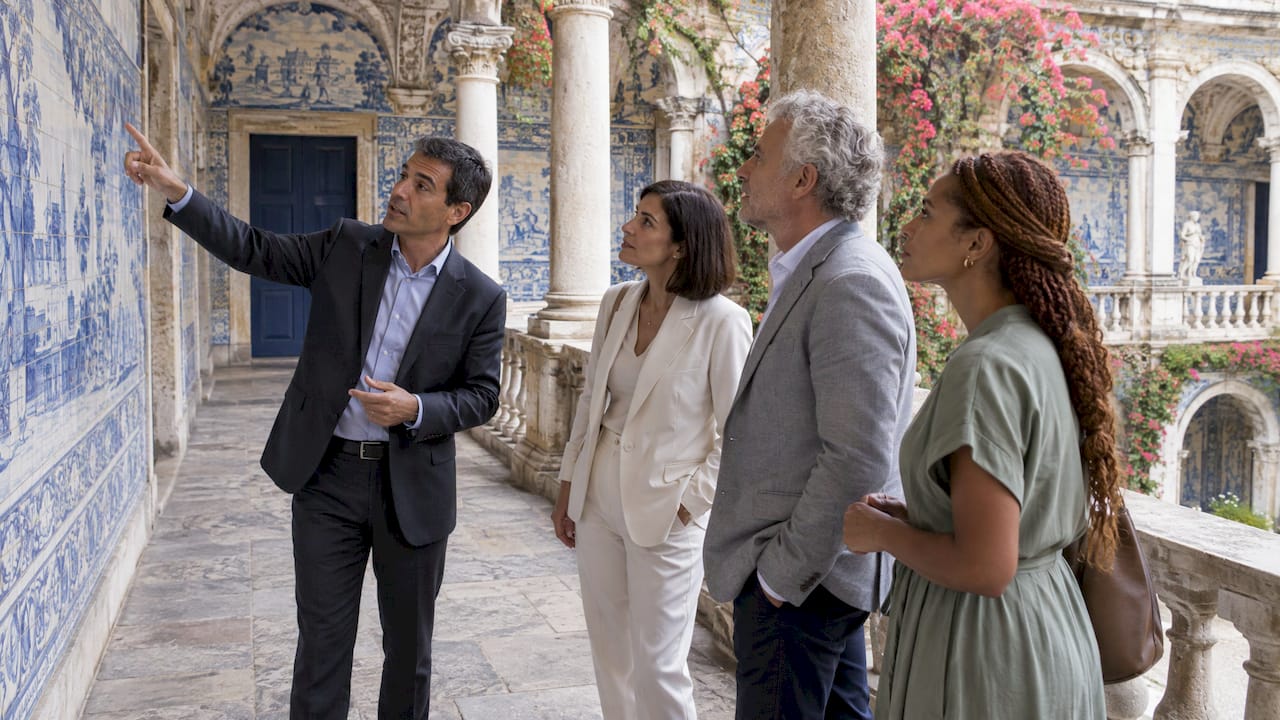
An incentive trip is a reward, not a meeting with a nicer view. The people on it earned their seat, so the standard is higher: private access, a sense of occasion, and moments they could not easily book themselves. Europe delivers that density. Distances are short, history is built into the venues, and a single evening can combine a palace, a regional menu and a local guide.
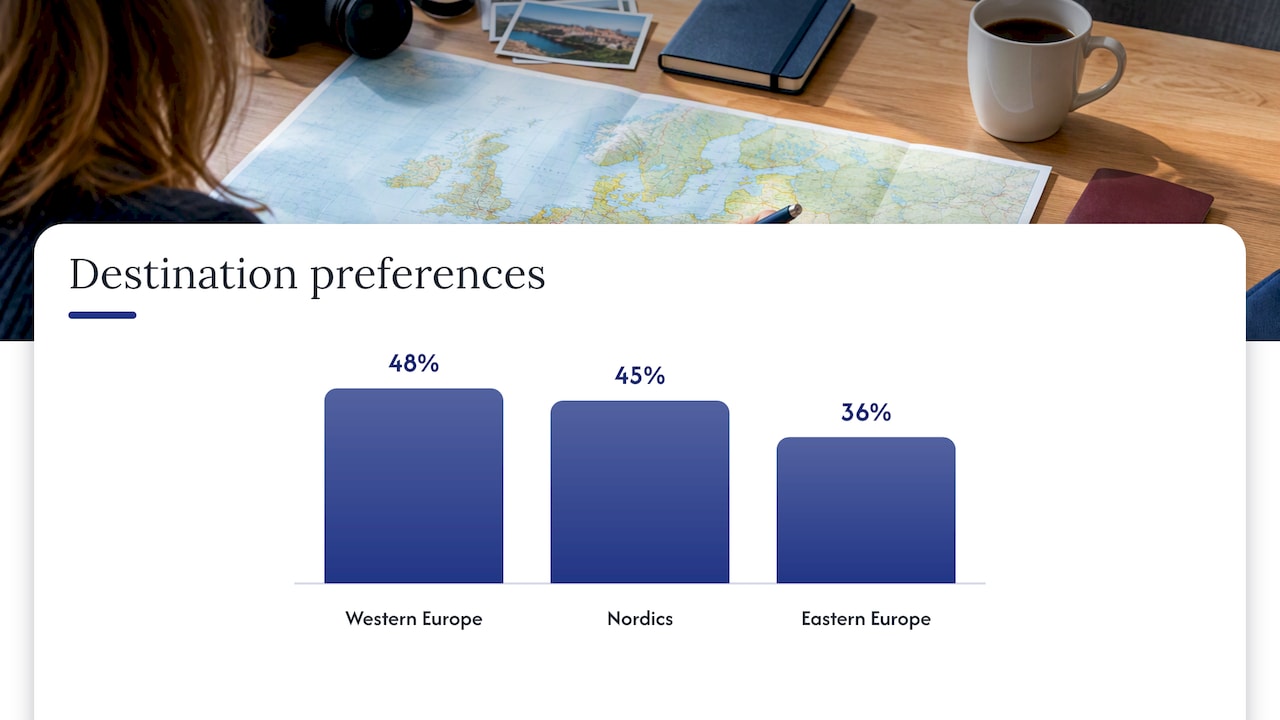
The appeal is measurable on the attendee side. A 2025 study by the Incentive Research Foundation found that Western Europe was the most motivating incentive destination for 48% of respondents, with the Nordics preferred by 45% and Eastern Europe by 36%. The same research notes that younger generations often lean toward immersive, adventurous experiences rather than traditional luxury. That matters for how you design the program: a team with a wide age range needs choice built in, not one fixed itinerary.
If you are still deciding whether to go abroad at all, our comparison of domestic versus international incentive trips lays out the tradeoffs.
Which European destinations work best for U.S. groups
No single country wins. What matters is what your qualifiers value and how many of them there are. These are the destinations that come up most often, and why they suit American groups.
| Destination | Best for | Signature group moments |
|---|---|---|
| Italy | Food, wine, history, a classic “reward” feel | Private cooking sessions, vineyard dinners, after-hours cultural access |
| Portugal (Lisbon, Cascais, Tróia) | Coast, golf, relaxed luxury, good value for the standard | Rooftop receptions, seafood, dolphin watching, sailing |
| Spain (Seville, Barcelona, Ibiza) | Energy, nightlife, sunshine, flexible group sizes | Flamenco evenings, tapas crawls, island celebrations |
| France | Elegance, wine regions, shopping | Chateau dinners, Champagne cellars, Paris river evenings |
| Switzerland | Scenery, precision, active teams | Lake and mountain days, craft and cheese experiences |
| United Kingdom | No language barrier, heritage, theater | Castle dinners, private theater nights, countryside estates |
Italy: the crowd-pleaser
Italy is the easiest sell to a mixed group. Italy’s official tourism site presents the country’s landscapes, cities, regions, food and history, which is exactly the range an incentive planner draws on. Rome suits a first-time winner who wants the greatest hits. Tuscany and the lake regions suit a smaller, quieter group that would rather linger over a long lunch. Build in one evening that feels truly private, such as a closed-door dinner at an estate, and the rest of the itinerary can stay relaxed.
Portugal: coast, golf and a very good exchange
Lisbon and the Cascais coast give a program a natural rhythm: city by day, ocean by night. Visit Lisboa lists museums, events and experiences such as the Pilar 7 Bridge Experience, while Visit Cascais describes beaches, seafood, museums, gardens and sea activities. Portugal’s national tourism portal places Tróia about an hour south of Lisbon, with long beaches, golf, cycling, windsurfing, sailing and dolphin watching.
The two pair well: culture and cuisine on the Cascais side, then a day of water and golf in Tróia. That split also lets you offer two tracks on the same day, one active and one leisurely, which helps with the age mix mentioned earlier.
Spain: Seville, Barcelona and the islands
Spain is dependable when your group values warmth and atmosphere. Seville offers a compact historic center and reliably sunny days, Barcelona handles larger groups with ease, and the islands suit a celebratory, lighter-touch program. If you are weighing a sun-and-sea finish, take a look at our luxury Ibiza vacation packages for the kind of island experience we can arrange.
France and the UK: polish and familiarity
France suits teams that appreciate refinement: wine country, a Paris evening, a country house for a gala dinner. The UK is the low-friction option for a first European program, with no language barrier and strong venue infrastructure for dinners, tours and theater.
Switzerland: scenery with a clear program
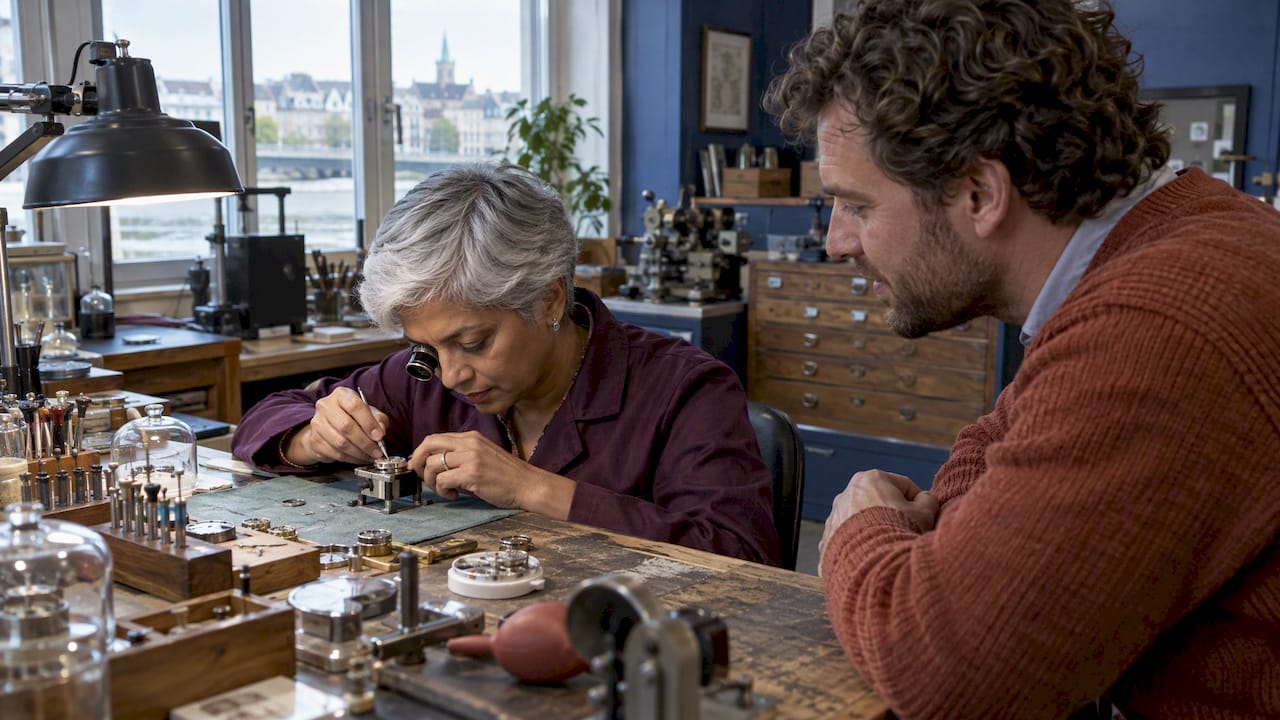
Switzerland works for active, detail-oriented teams. Switzerland Tourism highlights mountain, lake, nature and city experiences, and the country also promotes congresses and group travel. Basel’s tourism office describes incentive day trips that combine historic towns, craftsmanship, scenery and themes like watchmaking, wine and cheese. Its listed tours are available for groups of 15 or more and can be tailored, which gives you a sense of the scale at which tailored experiences become practical.
Match the destination to the team, not the trend
Trend lists are fun to read, but they rarely fit your qualifiers. Ask four questions first.
- What does the winning group value? Sales teams that thrive on recognition want a stage and a gala. Technical teams often prefer hands-on, small-group experiences.
- How many people, and how are they split? A group of 12 can use a private villa. A group of 150 needs a hotel with ballroom, enough coaches and a staff that has done this before.
- Is it first-time Europe for many winners? If so, favor iconic cities. Repeat winners want something new, such as a lesser-known region or an unexpected venue.
- Do spouses or guests come? If yes, add optional tracks so partners are not simply tagging along.
We cover more ideas for these choices in our guide to European incentive trip ideas for teams that earn a reward.
When to go: season, weather and crowds
Season shapes both the experience and the budget. Many planners favor late spring (May and June) and early fall (September and October) for Mediterranean destinations, since the weather stays warm while crowds and pricing ease compared with the July and August peak. Exact rates differ by city and by hotel, so ask for dated quotes rather than relying on a rule of thumb.
A few timing points we check on every program:
- Local holidays and trade fairs. A major fair can empty a city’s hotel inventory and push rates up. Check the calendar before you pick dates.
- Heat and daylight. A July walking tour in southern Spain is a different trip from the same tour in October.
- Winners’ calendars. Avoid school-break weeks if families are joining, unless you want that.
- Lead time. Large groups need hotel blocks and private venues held well ahead. Starting early is the cheapest upgrade available.
Our full breakdown of when to go and where in shoulder season goes deeper by region.
Getting your group there: flights, transport and capacity
U.S. flight access should drive the shortlist as much as the scenery. Cities with strong nonstop service from your winners’ home airports save a travel day each way, which matters when the reward itself is only three or four nights. If your group departs from several hubs, consider a gateway city where everyone can arrive within a few hours of each other.
On the ground, check capacity in this order:
- Hotel rooms and meeting or dining space against your final headcount, not your hopeful one.
- Coach availability and seat counts. One extra bus is easier to book early than on the day.
- Restaurant and venue limits. Many historic venues cap group size for safety or preservation.
- Transfer times between airport, hotel and activities, since long drives eat the very time you are paying for.
Smaller groups have an advantage here. Our note on why small group travel to Europe works so well explains what becomes possible when you are not moving a crowd.
Entry rules your winners need to know
Border requirements for Americans have changed, and your announcement email should address them directly so nobody is surprised at the airport.
EES. The U.S. State Department states that U.S. citizens go through the EU’s Entry/Exit System when traveling to 29 European countries for stays of up to 90 days within a 180-day period, and that fingerprints, a facial image, passport details and entry and exit dates are collected. The European Commission confirms that from 10 April 2026 the EES replaces passport stamping. For a group, the practical effect is time: first-time registration can slow a border line, so avoid scheduling a tight connection or a timed activity right after a group arrival.
ETIAS. The same State Department page notes the EU plans to launch ETIAS, a travel authorization for visa-exempt visitors, in late 2026. The EU’s own timeline says the launch will be followed by transitional and grace periods of at least 12 months. Because the schedule has moved before, check the official EU pages for the current status before you set your communications. Our guides explain what Americans should expect: ETIAS for Americans, how it differs from a Schengen visa, and how we help travelers apply when they book.
Two habits that prevent problems: collect passport details early, and ask every winner to confirm their passport will be valid well beyond the return date, using the official requirements for the countries you visit.
Designing experiences that feel earned
The difference between a nice trip and a memorable one is usually specific, not expensive. Some principles that work:
- One signature moment per day. A morning on the water in Tróia, an afternoon museum visit in Lisbon, a private dinner that evening. Not six activities, one that people discuss at breakfast.
- Local hosts over generic guides. Winemakers, chefs, craftspeople and historians make an itinerary feel real. Basel’s watchmaking and cheese themes are a good example of a topic that comes alive with the person who makes the thing.
- Free time written into the schedule. Overprogrammed groups get tired. Leave an afternoon open and offer a few optional add-ons.
- Atmosphere that fits the room. For welcome receptions and gala dinners, the right sound matters more than most planners expect. This checklist on corporate event background music is a handy way to think through volume, repertoire and timing for your own evenings.
- Personal touches. Handwritten notes, a gift that references an individual’s achievement, a table seating plan that pairs people on purpose.
These details are where experience in a destination pays off, and where an experiential approach to travel goes beyond sightseeing.
A sample three-city rhythm: Lisbon, Cascais, Tróia
To make this concrete, here is how a five-night Portugal program might flow for a group of 40, built from the destination features above rather than a fixed package.
| Day | Focus | Example |
|---|---|---|
| 1 | Arrival and welcome | Transfer from Lisbon airport, rooftop reception, relaxed dinner |
| 2 | Lisbon culture | Private museum visit, a neighborhood food walk, free evening |
| 3 | Cascais coast | Seafood lunch, coastal activity, gala dinner |
| 4 | Tróia day | Dolphin watching or sailing, golf for those who want it, beach lunch |
| 5 | Free choice | Optional spa, shopping or sightseeing, farewell dinner |
| 6 | Departure | Staggered transfers by flight time |
Costs for attractions are modest and published by the cities themselves. For example, Lisbon’s tourism site lists St. George’s Castle admission at €8.50 for adults. The real budget drivers are hotels, private venues, transport and food, which is why dated, written quotes matter more than a per-person estimate.
What to confirm before you announce the trip
Use this checklist before you tell the team where they are going.
- Dates and hotel block. Written confirmation, with cancellation and attrition terms you understand.
- Headcount flexibility. How many rooms can you release, and by when?
- Entry steps. Passport validity, EES and, once it launches, ETIAS timing.
- Accessibility and dietary needs. Collect them at registration, not at the airport.
- Transport. Coaches, airport transfers, and a plan for late arrivals.
- Backup plan for each outdoor activity. Rain happens, even in October.
- Emergency contacts. A reachable person around the clock on the day something goes wrong.
- Recognition moment. Who speaks, when, and in what setting.
None of these is hard on its own. The risk is leaving them until the last month, when the best options are gone.
Our perspective
We have planned high-end travel for 35 years, and the lesson that keeps repeating is that the destination is only half of an incentive trip. The other half is the people on the ground. A great hotel with the wrong local partners gives you a pleasant stay. A good hotel with the right partners gives you a private after-hours visit, a chef who cooks for your table and a transfer that is simply there when it should be.
That is why we design each program one on one, around the people who earned it. We do not hand you a template. We ask who the winners are, what they have already seen, and what you want them to say on Monday morning, then build the itinerary around those answers.
We also think the planning experience should feel as good as the trip. We charge no service fees, we offer a price match guarantee so you can book with confidence, and we are open 24/7, because a group in another time zone does not wait for office hours. Europe is where we are strongest, and an incentive trip there, done carefully, pays you back in loyalty and energy for months afterward.
tammylevent@gmail.com
Plan your European incentive trip with us
If you have a destination in mind, or only a goal and a headcount, our team can shape the program with you from the first conversation to the day your group lands home. We design custom itineraries for corporate groups, with on-the-ground partners across Europe and a concierge-level approach to every detail.
Explore our corporate incentive travel services, read how group incentive travel works with us, or start from our luxury vacation packages to see the style of travel we arrange. For a wider view, our 2026 luxury guide to corporate incentive travel covers budgeting, structure and recognition.
FAQ
What is the best European country for an incentive trip?
There is no single best. Italy suits groups that love food and history, Portugal suits those who want coast and golf, Switzerland suits active teams, and Spain and France offer energy and polish. Choose by what your winners value and how many are traveling.
When is the best time of year to take a team to Europe?
Many planners favor May to June and September to October, when the weather in southern Europe is warm and crowds are lighter than in midsummer. Always check local holidays and trade fairs for your exact dates, since they can affect hotel availability and rates.
Do Americans need anything special to enter Europe for an incentive trip?
U.S. citizens registering at the border go through the EU’s Entry/Exit System for short stays in 29 European countries, and ETIAS is planned for late 2026. Check the official EU and State Department pages for current status before you travel, and make sure passports are valid for your dates.
How far ahead should I plan a group incentive trip?
Start as early as you can. Hotel blocks, private venues and coach capacity for larger groups fill first, and early planning gives you more choice in dates and experiences. A planner can tell you what lead time your specific destination and group size need.
Can a travel agency handle both the trip and the details?
Yes. We arrange hotels, experiences, transport and on-site support, and we do it with no service fees, since we earn from travel suppliers for booked travel. Our team is reachable 24/7 while your group is traveling.
Sources
- 2025 European Attendee Preferences for Incentive Travel, Incentive Research Foundation
- Discover Italy: Official Tourism Website, Italia.it
- Switzerland Tourism
- Incentive trips, day trips from Basel, basel.com
- Visit Lisboa
- Visit Cascais
- What to do near Lisbon, Visit Portugal
- Tagus Route, Visit Lisboa
- U.S. Travelers in Europe, U.S. Department of State
- Entry/Exit System (EES), European Commission
- Revised timeline for the EES and ETIAS
