




For most complex, luxury, or group trips, working with a travel agent beats booking online; for simple, single-segment trips, online platforms are usually fine. The exceptions matter most when you need bespoke planning, supplier relationships, or someone to advocate for you during a disruption. Firms like Elite Travel Management Group, Inc. exist for exactly that kind of high-touch planning, while a flight-and-hotel weekend trip rarely needs one.
TL;DR:
- Travel advisors are especially beneficial for complex trips involving multiple destinations, large groups, or high customization demands due to their vendor relationships and advocacy.
- Online booking platforms work well for straightforward travel like single flights or hotels, but travelers must scrutinize total prices, including fees, due to drip pricing practices.
- The May 2025 FTC rule mandates clear disclosure of total prices upfront, making it easier to compare online prices with travel agent quotes.
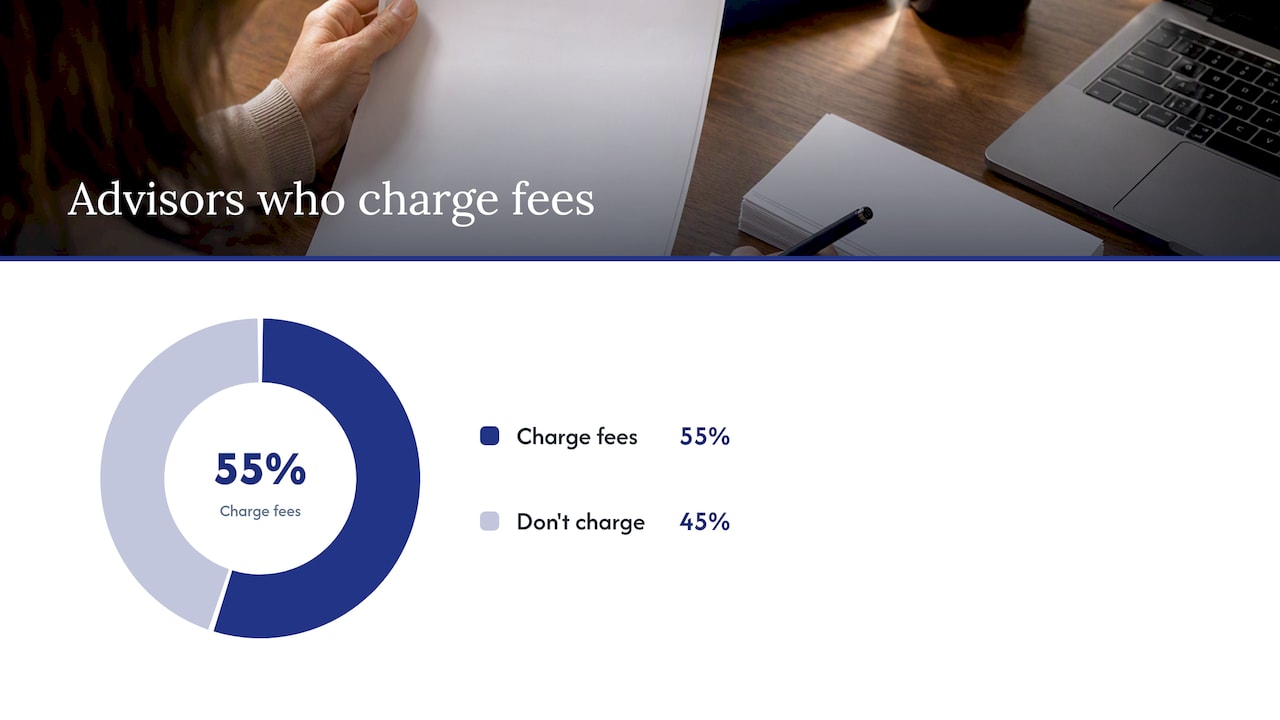
- Over half of US travel advisors now charge service fees, which can include flat rates, consultation charges, or ongoing retainers, and should be disclosed upfront.
- Choosing between an agent and online booking depends mainly on trip complexity, group size, and risk tolerance, with complex or high-stakes trips favoring professional assistance.
Table of Contents
- When a travel agent is the smarter choice
- When booking online is the right call
- Pricing and fee reality: transparency, hidden fees, and the FTC rule
- What travel agents actually charge and why
- Decision checklist: how to choose between a travel agent and booking online
- Elite Travel as the high-touch option for complex trips
- Why the “better” option depends on what you’re actually buying
- FAQ
- Sources
When a travel agent is the smarter choice
Certain trips are genuinely hard to plan well without a human who knows the destination, the suppliers, and the pitfalls. Bespoke international itineraries, large group trips, destination weddings, cruises, and incentive travel all involve more moving parts than a booking engine can account for: multiple vendors, shifting logistics, and decisions that affect a dozen or a hundred people at once.
A skilled advisor brings relationships that a search box cannot replicate. Hotels and tour operators often reserve upgrades, room category boosts, and added amenities for advisors who send them steady business, and a good agent will ask suppliers for exactly those extras on your behalf. When something goes wrong (a canceled flight, a closed border, a resort that double-books your room) an advisor can call a direct contact instead of waiting in a phone queue.
Trips that typically benefit from an advisor include:
- Multi-stop international itineraries with connecting flights, trains, or private transfers.
- Luxury or milestone trips where personalization and small details carry real weight.
- Destination weddings and large group travel that require coordinating many travelers at once.
- Cruises, where cabin categories, perks, and onboard credit vary widely by booking channel.
- Incentive and corporate travel that needs a single point of accountability.
Industry data backs this pattern: non-commissionable fares reduce advisor earnings on many cruise and tour products, yet advisors still book a significant share of cruise sales because the planning complexity and group pricing advantages outweigh the fee pressure.
When booking online is the right call
Not every trip needs a specialist, and online platforms genuinely win for straightforward travel. A simple roundtrip flight, a single-hotel city break, or a last-minute weekend getaway rarely benefits from the extra layer of a consultation when you already know exactly what you want.
Online booking tools shine in a few clear situations:
- Simple roundtrip flights or single-hotel stays with no connecting logistics.
- Flexible-date trips where you want to compare prices across multiple days or airports.
- Last-minute bookings where speed matters more than customization.
- Trips where you already know the destination, dates, and property.
The trade-off is that aggregator sites hand you control but not always clarity. Resort fees, booking fees, and other charges sometimes appear only at checkout, a practice known as drip or partitioned pricing. Before you book, check the cancellation policy and confirm whether the quoted price is truly the final price, not a teaser rate with fees added later.
Pricing and fee reality: transparency, hidden fees, and the FTC rule
Comparing true cost across booking channels used to be harder than it should have been, largely because of how fees were displayed. That changed with new federal guidance.
As of May 12, 2025, the FTC’s Rule on Unfair or Deceptive Fees requires sellers of short-term lodging and live-event tickets to clearly and conspicuously disclose the total price inclusive of most mandatory fees upfront, ensuring transparency rather than revealing fees only at the final checkout step. That single change makes it far easier to compare a hotel booking site against a travel agent’s quote on equal footing.
Before this rule, drip pricing let online platforms advertise a low headline rate while adding resort fees, service charges, or booking fees later in the process. ASTA’s comments to the FTC pointed out that omitting mandatory resort fees from advertised rates made it genuinely difficult for travelers to compare options, and that advisors often provided clearer total-cost breakdowns than the booking sites themselves.
Two habits protect you regardless of channel:
- Look for the full, all-in total price before entering payment details, not just the headline rate.
- Ask directly whether any mandatory fees, taxes, or resort charges are excluded from the displayed price, and confirm the cancellation or change terms in writing.
What travel agents actually charge and why
Advisor fees are more common than many travelers expect, and understanding the models helps you avoid surprises. More than half of U.S. travel advisors, about 55%, now charge some form of professional service fee, a shift driven largely by shrinking supplier commissions and non-commissionable fares that cut into advisor earnings on cruises and tours.
Common fee structures include:
- Flat per-trip planning fees charged regardless of what gets booked.
- One-time consultation fees for complex or research-heavy itineraries.
- Airline ticketing fees for issuing or changing flight reservations.
- Retainer or subscription arrangements for ongoing or frequent travelers.
Pro Tip: Ask any agent for a sample line-item invoice showing base rates, fees, and taxes separately, so you can compare the real total against an online quote apples to apples.
A transparent advisor will explain their fee structure before you commit and tell you upfront whether a fee is credited toward your final booking.
Decision checklist: how to choose between a travel agent and booking online
Work through these points in order before you book:
- Trip complexity: Does the itinerary involve multiple destinations, connections, or vendors?
- Group size: Are you coordinating travel for a wedding, family reunion, or corporate group?
- Desire for bespoke experiences: Do you want curated, personalized touches rather than a standard package?
- Budget versus time trade-off: Would you rather spend hours comparing sites yourself or pay for someone else’s time?
- Risk tolerance: How disruptive would a cancellation, missed connection, or closed border be to your plans?
- Need for 24/7 support: Would you want a real person reachable if something goes wrong mid-trip?
When vetting an agent, ask directly about fee disclosure, how they handle refunds and changes, which suppliers they work with regularly, and what emergency support looks like after hours. When vetting an OTA, confirm the total price display, read the fine print on cancellation windows, and check whether customer service is available outside business hours.
| Decision factor | Favors travel agent | Favors online booking |
|---|---|---|
| Trip complexity | Multi-stop, multi-vendor | Single flight or hotel |
| Group size | Weddings, group trips | Solo or couple trips |
| Disruption risk | High (international, peak season) | Low (short, domestic) |
| Support needs | 24/7 human advocacy | Self-service is enough |
If your trip checks three or more boxes in the left column, calling an advisor now will likely save more time and stress than it costs.
Elite Travel as the high-touch option for complex trips
When your trip lands firmly in advisor territory, that is where we come in. We have built custom, concierge-level itineraries for honeymoons, destination weddings, milestone celebrations, luxury cruises, and group travel, working directly with on-the-ground partners to secure the right hotels, experiences, and timing for each trip.

We do not charge service fees, offer a price match guarantee, and provide 24/7 support because travel problems do not wait for office hours. Our work has been recognized with awards, and every itinerary starts with a real conversation about what you actually want from the trip, not a template.
If your next trip involves a destination wedding, a milestone cruise, or a journey you want designed around you rather than assembled from checkout screens, start by browsing our luxury vacation packages or reach out directly to talk through the details.
Why the “better” option depends on what you’re actually buying
The agent-versus-online debate gets framed as a price contest, but that misses the point for a lot of travelers. Online platforms are excellent at selling you a transaction: a seat, a room, a confirmation number. Advisors sell judgment, which matters most exactly when a trip has the most ways to go wrong.
The honest answer is that neither channel is universally better. A simple weekend trip rarely justifies a consultation fee, while a three-country honeymoon or a 40-person destination wedding rarely survives a DIY spreadsheet intact. Decide based on how much complexity and risk your trip actually carries, not on habit.
— tammylevent@gmail.com
FAQ
Do travel agents get better deals than online platforms?
Not always on headline price, but advisors often secure added value like room upgrades and amenities or perks that offset the sticker price difference. For cruises and group travel especially, advisor relationships with suppliers can unlock bundled pricing that online aggregators do not offer.
Is there a downside to using a travel agent?
travel advisors](https://www.travelweekly.com/Travel-News/Travel-Agent-Issues/More-than-half-of-US-advisors-now-charge-fees) now charge some form of service fee, on top of or instead of supplier commissions. For simple trips, that fee may not be worth it, which is why online booking tends to suit straightforward itineraries better.
How much does a travel agent make on a large trip?
Advisor earnings vary widely by supplier, destination, and whether the fare is commissionable, since non-commissionable fares reduce the standard commission on many cruise and tour products. There is no single published figure that applies to every trip or agency, so advisors who charge separate service fees typically disclose them upfront rather than relying only on commission.
Is it cheaper to book with a travel agent or online?
It depends on the trip: online booking is often cheaper for simple, single-segment travel, while advisors can be cost-competitive or better for complex, group, or luxury trips once upgrades and avoided mistakes are factored in. The clearest way to compare is to request an all-in price from both channels, since the FTC’s fee disclosure rule now requires lodging sellers to show the total price upfront.
Sources
- More than half of U.S. travel advisors charge fees – here’s how, and why: Travel Weekly
- FTC rule on unfair or deceptive fees takes effect May 12, 2025
- ASTA industry brief on non-commissionable fares (NCFs) and advisor distribution
