



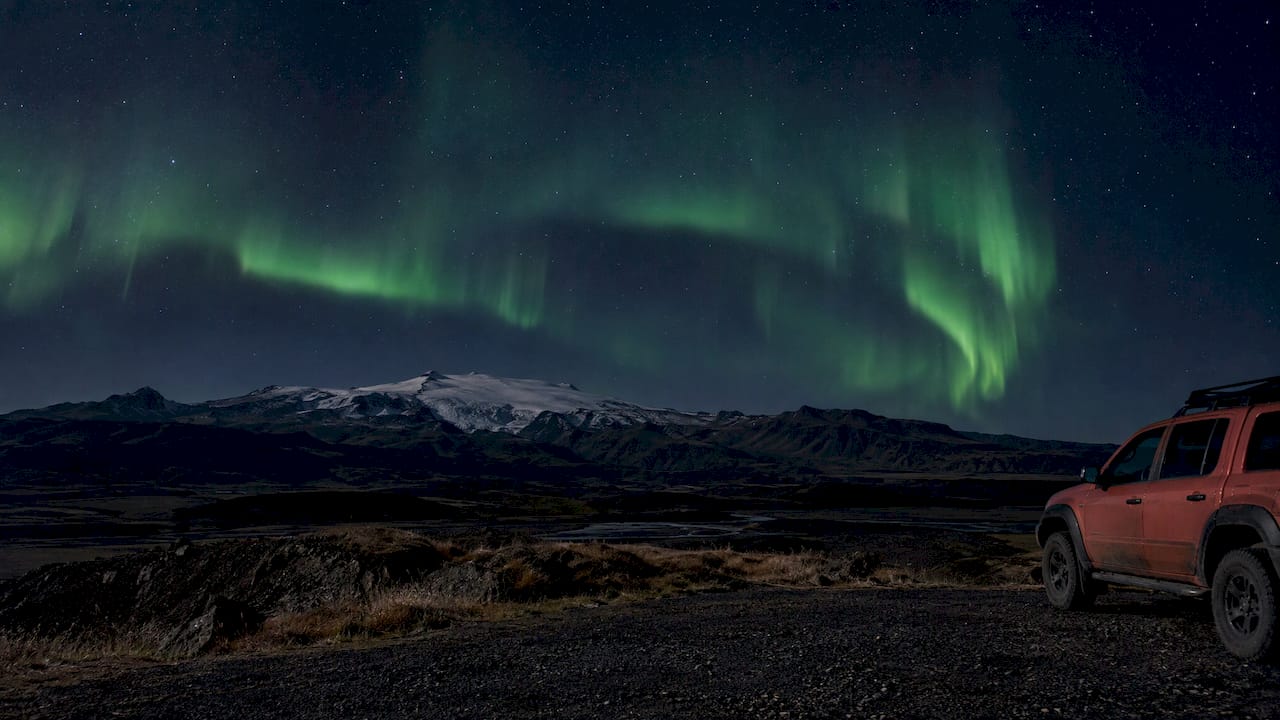
Iceland’s northern lights season runs from late August to mid-April, according to Visit Reykjavík, the city’s official tourism board. For a trip built around the aurora, plan October through March, give yourself at least five nights, and base yourself somewhere dark. A well-designed itinerary matters more than the month you pick: the lights depend on solar activity and clear skies, and the best trips are built to give you several chances. That is how we plan Iceland journeys at Elite Travel, with the aurora as one thread in a trip that is worth taking even on a cloudy night.
TL;DR
- The season runs from late August to mid-April. From mid-May to early August the midnight sun makes the aurora invisible.
- October to March is the core window. March scores best in one long-term study of geomagnetic data, and the equinox months (September and March) are often favored.
- Plan five nights or more, so a run of cloudy weather does not decide your trip.
- Check the cloud map and the aurora forecast on vedur.is, the Icelandic Met Office site. The cloud map matters as much as the activity number.
- Stay in a rural, dark-sky location, not only in Reykjavík.
Table of Contents
- When the season starts and ends
- Month by month: what you actually get
- Choosing your month by the kind of trip
- How to read the aurora forecast
- Where to stay for the northern lights
- Build in backup nights
- Packing for the cold
- How we plan an Iceland aurora trip
- Our perspective
- FAQ
- Sources
When the season starts and ends
The aurora is there all year, but you can only see it when the sky is dark. Iceland’s summer nights never get dark enough, so the season is set by the calendar, not by the Sun alone.
Visit Reykjavík splits the season into three parts:
- Late August to October: the early season, with lengthening nights and milder weather.
- November to February: peak season, with the darkest skies and the highest chances of activity, but also cold and occasional snow.
- March to mid-April: the late season, with shorter but still dark nights and often clear skies.
The East Iceland tourism board Visit Austurland notes that April is the last chance of the year and that May through July offers no viewing at all. Other sources set the edges a little differently, from mid-August to the end of April, which is why you will see slightly different dates on different sites. The practical rule: before September 1 and after mid-April, chances are slim.
Month by month: what you actually get
Darkness is the first variable. A photography guide for Reykjavík, Shoot Iceland’s 2026/27 month-by-month guide, puts fully dark skies from about September 2 to April 9 and lists hours of darkness by month:
| Month | Hours of full darkness (Reykjavík) | What it feels like |
|---|---|---|
| September | about 4.8 | Mild, first dark nights |
| October | about 8.8 | Long nights, gentler weather |
| November | about 11.6 | Deep winter arrives |
| December | about 12.9 | Longest nights, short days |
| January | about 12.3 | Coldest weather |
| February | about 10 | Dark and often crisp |
| March | about 6.8 | Equinox activity |
In December, Rough Guides reports the sun rises around 11 am and sets shortly after 1 pm, and temperatures can dip to -10°C (14°F). That is useful for planning your days: you have a short daylight window for glaciers, waterfalls and lagoons, and a long evening for the sky.
Why March and the equinox months stand out
More darkness does not always mean more aurora. Guide to Iceland’s analysis of 95 years of geomagnetic records found March averages a Kp index of 2.39 against a yearly average of 2.17, while December averages 1.94 despite the longest nights. (Kp is a 0 to 9 scale of geomagnetic activity.) The local aurora-observation site Iceland at Night explains this with the Russell-McPherron effect, which makes displays somewhat likelier near the equinoxes, and adds that an active Sun can produce frequent displays in November through February too.
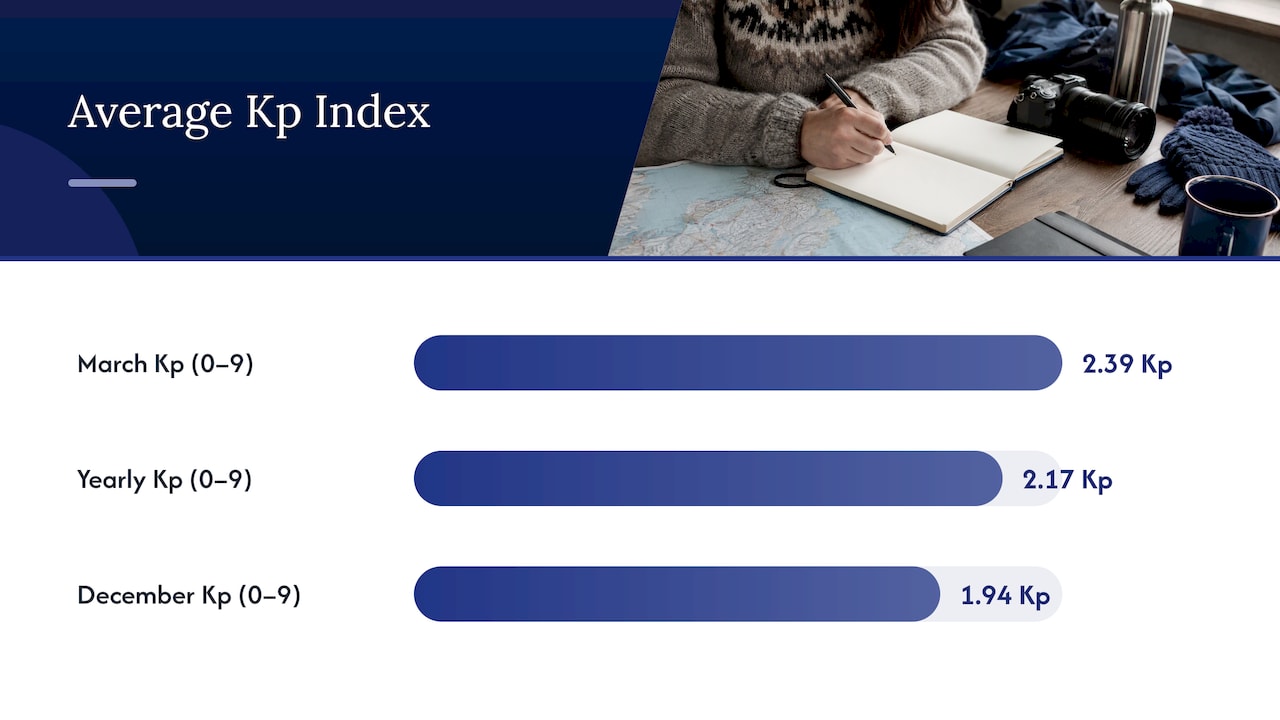
For most travelers that points to two sweet spots: October to November, and February to March. Guide to Iceland’s hotel guide recommends the same windows.
Choosing your month by the kind of trip
- Honeymoons and romantic escapes: October or March balance darkness with kinder weather and more daylight for the rest of the trip.
- Families: September to October or March keep nights from becoming too late and cold, and daytime driving easier.
- Milestone celebrations and small groups: February and March often pair crisp, clear nights with enough daylight for activities.
- Midwinter: December and January give the most darkness, with the cold and the storm risk that come with it. The East Iceland board warns of blizzards in this stretch.
If you are comparing destinations, our guide to Iceland versus Norway for the northern lights sets out how the two trips differ, and we have a separate plan for Lapland.
How to read the aurora forecast
Two forecasts matter, and they answer different questions. The Icelandic Met Office publishes a cloud map and a separate activity forecast on a 0 to 9 scale for midnight. Iceland.org’s forecast guide stresses that a high number does not guarantee a sighting, because the aurora needs dark, partly clear skies.
A simple evening routine, adapted from the Icelandia forecast guide:
- Afternoon: open the cloud map on vedur.is and look for a clear gap, shown in white, within driving distance for roughly 10 pm to 1 am. Green means cloud.
- Evening: read the written forecast on icelandatnight.is.
- After dark: watch solar wind speed (above about 400 km/s is good), and the Bz value, where negative numbers signal activity and roughly -5 to -10 promises vivid displays.
Visit Westfjords also advises against leaning too hard on the Kp index, since it does not tell you how bright a display will be. Timing helps too: Visit Reykjavík names 9 pm to 2 am as the best hours, and Iceland at Night points to around 11 pm as the center of the window.
Where to stay for the northern lights
Iceland sits close to 64 degrees corrected geomagnetic latitude, under the auroral oval, so even modest activity puts the aurora overhead, per the Guide to Iceland study. What you need then is darkness and clear sky.
Near Reykjavík. Visit Reykjavík lists dark spots within an hour: Þingvellir National Park (45 minutes), the Reykjanes Peninsula (40 to 50 minutes), Kleifarvatn lake (40 minutes) and Grótta Lighthouse (15 minutes from the center).
Rural bases. Iceland at Night’s lodging guide highlights Hótel Rangá, about 1 hour 20 minutes from Reykjavík, with an observatory and aurora wake-up calls; Sky Retreat’s glass-roof rooms near Eyjafjallajökull; Hvammsvík’s hot spring; and Hótel Jökulsárlón beneath Vatnajökull.
The southeast. Guide to Iceland finds the corridor between Kirkjubæjarklaustur and Djúpivogur has the clearest skies in the country, with cloud cover varying by about 15 percentage points between the clearest and cloudiest aurora destinations.
A practical plan splits the trip: a night or two in Reykjavík for dining and culture, then countryside nights where the sky is darkest and a hotel can wake you when the lights appear.
Build in backup nights
No one can promise the aurora. That is why length matters. Guide to Iceland suggests five nights as a real buffer against cloudy weather.
If you book a guided aurora tour, do it early. Visit Reykjavík advises scheduling it early in the trip so there is time to rebook, since most operators offer free retries if the lights do not appear. Travel + Leisure reports that tours from Reykjavík typically decide at 5 pm whether to run and offer a refund or another try if canceled. A private guide can also redirect in real time toward clearer skies; our page on what a private guide in Iceland costs explains what you pay and why.
Packing for the cold
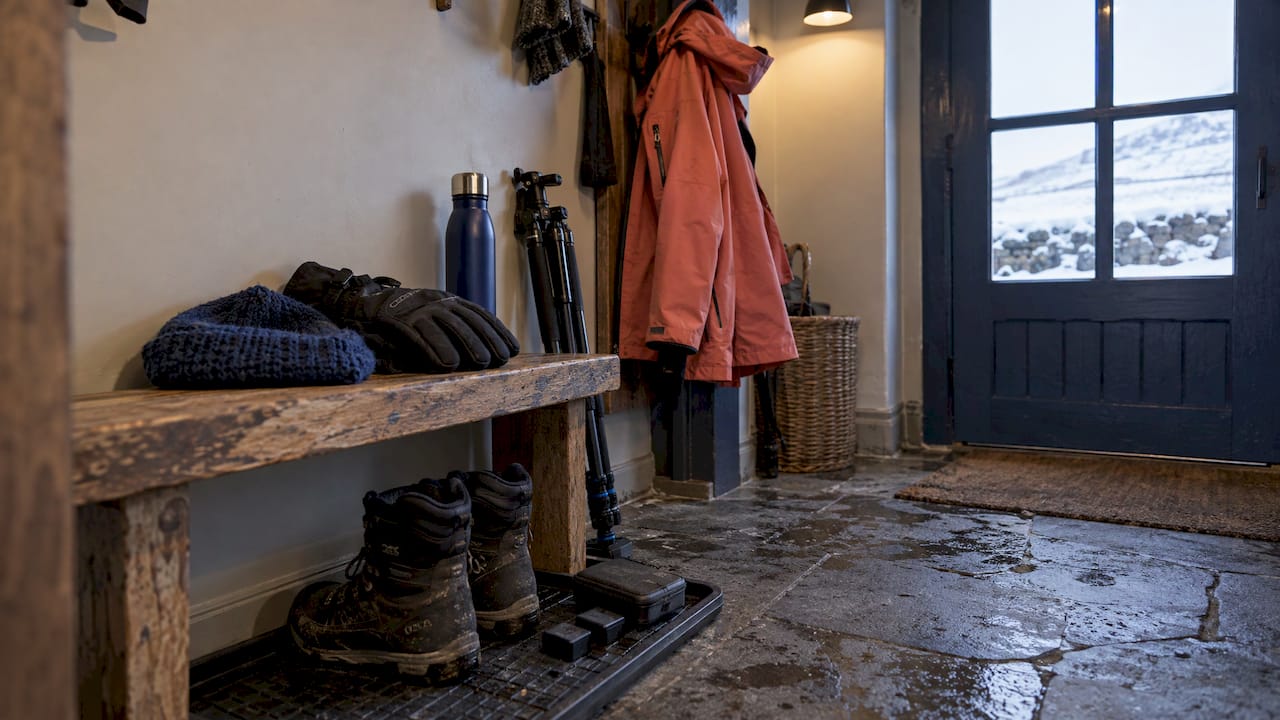
Think layers, a windproof outer shell, insulated boots, warm gloves and a hat. With nights near -10°C possible, you will stand still for long stretches, which feels colder than hiking. Bring a tripod if you plan to photograph, and spare batteries, as cold drains them quickly.
How we plan an Iceland aurora trip
We design Iceland journeys one on one, with the right hotels, experiences and timing for your dates. We charge no service fees, offer a price match guarantee and are open 24/7, so you have support from your first conversation to your return home. You can see our approach on our Iceland vacation packages page, or the shape of a shorter trip in our 4-day Iceland package. For honeymooners, see our honeymoon packages.

Tell us your dates and who is traveling, and we will build the itinerary around the aurora and the rest of Iceland. Start at Elite Travel.
Our perspective
The aurora is a gift of timing, so we plan for odds, not promises. We choose the month for the traveler, then add nights, a dark-sky base and a flexible plan, so that a cloudy evening is a spa night or a glacier day rather than a lost trip.
After 35 years designing high-end journeys, we believe the difference is in the details: the right hotel in the right place, on-the-ground partners who know where the skies are clearing, and a person you can reach at any hour when the forecast changes.
tammylevent@gmail.com
FAQ
What is the best month to see the northern lights in Iceland?
March is the strongest single month in Guide to Iceland’s long-term data, with October to November and February to March as the best windows. September and March benefit from the equinox effect. Midwinter offers the longest nights but not always more activity.
Can you see the northern lights in Iceland in summer?
No. The midnight sun runs from late May to late summer, and skies never get dark enough. Iceland.org gives May 20 to August 20 for the midnight sun period. Darkness returns in late August and the season begins.
How many nights do I need?
Five nights gives you a real buffer against a run of cloudy weather. Booking any guided tour early in the stay leaves time to retry.
What time of night is best?
Visit Reykjavík names 9 pm to 2 am as the best hours, and Iceland at Night centers the window around 11 pm. Check the cloud map first, since clear skies matter as much as activity.
Sources
- Northern Lights Day Trips from Reykjavík | Visit Reykjavík
- Best time to see the northern lights | Visit Austurland
- Aurora Season in Iceland: Month by Month (2026/27) | Shoot Iceland
- Best Places To See Northern Lights In Iceland | Rough Guides
- Best Month to See the Northern Lights in Iceland | Guide to Iceland
- When’s the best time to see Northern Lights in Iceland? | Iceland at Night
- Top 14 Best Northern Lights Hotels in Iceland | Guide to Iceland
- Iceland Aurora Forecast: Read the Cloud Map & Activity Scale | Iceland.org
- How to Read Iceland’s Northern Lights Forecast | Icelandia
- Chasing the Northern Lights in the Westfjords | Visit Westfjords
- Where to stay in Iceland to see the Northern Lights? | Iceland at Night
- Iceland Northern Lights: Top Locations and Viewing Tips | Travel + Leisure
