



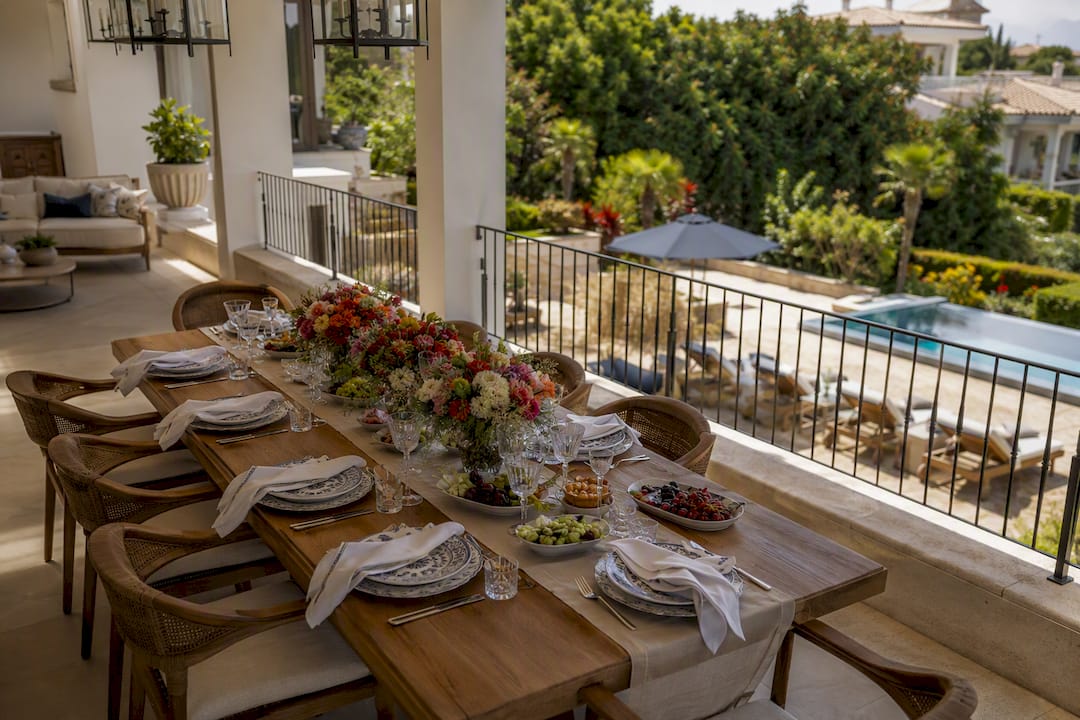
The most reliable way to pull off a luxury multigenerational family vacation without anyone melting down by day three is to hand the planning to a concierge travel service that specializes in exactly this. Elitetravelgroup builds these trips for a living, and the reasoning is straightforward: coordinating six to twenty travelers across three generations, with different mobility levels, nap schedules, and definitions of “fun,” is a logistics problem before it’s a vacation. A dedicated planner solves three things a family typically can’t solve alone. First, time. Sourcing villas, vetting accessibility, and negotiating private transfers across multiple parties eats weeks a working household executive doesn’t have. Second, access. The best villa buyouts, family-friendly suites, and yacht charters get reserved twelve to eighteen months out, often through relationships a public booking site never sees. Third, risk reduction. A planner who has run this exact trip before catches the dietary conflict, the missing wheelchair ramp, or the double-booked pool house before it becomes a vacation-day crisis.
If you’re at the start of this process, do two things this week: confirm your full guest list and settle on two possible date windows, since flexibility is your biggest lever for securing prime inventory.
- Lock the headcount, ages, and any mobility or medical needs across all generations attending.
- Identify two alternate travel windows to give a planner room to negotiate rates and availability.
- Request a discovery consultation with a concierge planner before you start contacting properties directly.
Key Takeaways
Concierge-managed planning consistently outperforms DIY booking for multigenerational luxury trips because it secures scarce inventory, prevents accessibility and dietary errors, and compresses months of coordination into a single proposal.
| Point | Details |
|---|---|
| Book 12 to 18 months ahead | Villa buyouts and signature suites for large groups require the longest lead time of any format. |
| Match layout to mobility needs | Ground-floor primary suites plus a shared living hub minimize disturbance and simplify care. |
| Anchor the day, split the rest | One shared activity per day plus age-specific blocks keeps everyone engaged without exhaustion. |
| Verify health and diet details in writing | Confirm medical access, medication logistics, and dietary accommodations before arrival, not at check-in. |
| Work with a concierge planner | Elitetravelgroup offers no service fees, a price-match guarantee, and 24/7 support for multigenerational itinerary design. |
Where to Verify Travel Details Before You Go
A few sources are worth checking at different stages of planning. Before booking anything international, review the State Department’s travel advisories for entry requirements and health guidance that change by destination and season. When arranging private transfers or charters for a large group, IATA’s transport guidance helps clarify baggage and carrier standards that affect logistics planning. For vetting a tour operator or supplier’s contract terms and industry standing, USTOA offers a useful baseline on best practices. And for a sense of what family-focused luxury properties typically offer, editorial roundups like Condé Nast Traveler’s kid-friendly hotel lists are a solid starting point before your planner narrows the shortlist.
- Check travel advisories before booking, not after.
- Confirm transport and charter standards when arranging private transfers.
- Vet suppliers through industry associations before signing a contract.
- Use editorial roundups for inspiration, then verify details directly with the property.
Table of Contents
- Which Trip Format Fits a Multigenerational Family Best?
- What Accommodation Layout Actually Works for Three Generations?
- How Do You Plan Activities That Work for Grandparents and Toddlers Alike?
- What Health and Dietary Details Get Overlooked Most Often?
- How Far in Advance Should You Book a Luxury Multigenerational Trip?
- What Do Real Multigenerational Itineraries Look Like?
- What Does a Concierge Planner Actually Do for a Multigenerational Group?
- How Do You Get Started With a Booking Checklist?
- Ready to Plan Your Family’s Trip? Here’s What Happens Next
- Sources
Which Trip Format Fits a Multigenerational Family Best?
The format matters more than the destination. A villa in Tuscany and a villa in Turks and Caicos solve the same problem: everyone under one roof, with private space to retreat to. A resort buyout solves a different problem: staff-supported programming for a dozen ages at once. Get the format wrong and even a gorgeous destination feels chaotic by day four.
Private villas and villa-resort hybrids work best when the family’s priority is togetherness with an escape valve. Properties like Amanyara’s multigenerational villas in Turks and Caicos pair private pools and dedicated villa hosts with hotel-level service, so grandparents get quiet mornings while grandkids run the beach. The tradeoff: villas require more upfront logistics planning since you’re not relying on a resort’s built-in kids’ club or restaurant rotation.

Resort buyouts and interconnected suites suit families who want structured programming without anyone having to cook, plan, or referee. Editorial roundups of family-friendly luxury properties consistently point to resorts with interconnected suites and dedicated kids’ clubs as the format that keeps toddlers occupied and teenagers from disappearing. Properties like Generations Riviera Maya build entire concepts around this, layering gourmet dining with age-segmented activities so parents aren’t the default entertainment director.

Private yacht charters fit families who want daily variety without repacking. A yacht solves the “everyone wants something different” problem by turning geography into the entertainment: snorkeling one morning, a quiet island lunch the next. Charter operators note that private crew and tailored shore visits make yachts unusually good at accommodating a wide age range in a small footprint, though cabin counts cap group size more tightly than a villa would.
Small-ship cruises and safari lodges solve for adventure without asking grandparents to rough it. A well-run safari lodge offers adapted game drives and private vehicles, letting an eight-year-old and an eighty-year-old see the same elephant herd from the same comfortable seat.
Ranch and resort combinations in the American West work well for families chasing wide-open space and horseback riding without giving up spa access or a proper wine list.
| Trip goal | Best-matched format |
|---|---|
| Maximum togetherness, minimal logistics | Villa or villa-resort hybrid |
| Structured programming across ages | Resort buyout with interconnected suites |
| Daily variety, compact group | Private yacht charter |
| Active adventure with comfort | Safari lodge or ranch resort |
Pro Tip: Ask your planner for a “grandparent test” on any property before booking. If a 75-year-old with a hip replacement can navigate the main common areas without assistance, the layout works. If not, keep looking.
What Accommodation Layout Actually Works for Three Generations?
The single most effective pattern for a three-generation trip is a villa or connected-suite plan with a private ground-floor primary suite for older travelers, a shared central living and dining space, and separate bedrooms or bunk rooms for kids. This layout minimizes nighttime disturbance and solves mobility concerns without anyone feeling isolated from the group.
Layout beats square footage almost every time. A 10-bedroom villa with everyone on different floors and no shared gathering space often creates more friction than a smaller property built around a real communal core.
- Ground-floor primary suites for grandparents or anyone with mobility limitations, positioned away from late-night teen traffic.
- A shared living and dining hub large enough for the whole group to eat together, since shared meals are usually the actual point of the trip.
- Separate sleeping zones for kids, ideally with a buffer room or wing between them and adult bedrooms.
- In-villa laundry, which matters far more with toddlers and infants than most first-time planners expect.
Before booking, run through an amenity checklist with the property’s booking manager and get confirmations in writing, not just verbal assurances.
- Is a private chef or butler included, and can menus accommodate multiple dietary restrictions simultaneously?
- What accessibility features exist (grab bars, step-free entries, elevator access) versus what can be added on request?
- Is there a nurse-on-request service or a relationship with a nearby medical provider?
- Does the property offer supervised kids’ club hours, and what are the age cutoffs?
- What is the cancellation and rebooking policy if a family member’s health status changes?
Get every one of these confirmed in an email thread, not a phone call. Verbal promises about accessibility or dietary accommodation have a way of evaporating on arrival day.
How Do You Plan Activities That Work for Grandparents and Toddlers Alike?
Build each day around one anchor activity everyone attends, then branch into age-specific options for the rest of the day. Trying to entertain every generation with the same activity all day is the single most common planning mistake families make, and it burns out grandparents by day three.

Anchor activities are the shared touchpoints: a family dinner with a private chef, a gentle wildlife drive, a half-day cultural excursion, or a sunset boat outing. These work because they ask little physically while giving everyone the same memory. Xanterra’s family travel guidance on resort-based multigenerational trips consistently frames shared meals and low-intensity group outings as the connective tissue of a successful itinerary, with age-specific programming filling the gaps around them.
Age-specific blocks let each generation do what they actually want without guilt. Toddlers and young kids get supervised club hours mid-morning, when parents are least likely to need them anyway. Teens get an adventure window, surf lessons, a jet-ski excursion, something with a bit of independence built in. Elder-friendly excursions, shorter, seated, or slower-paced, work best scheduled for cooler parts of the day.
A daily pacing blueprint that has worked across countless family itineraries looks something like this:
- Morning: Shared anchor activity (an easy excursion, a group breakfast) while energy is highest across all ages.
- Midday: Split programming. Kids’ club, teen activity window, and quiet pool or spa time for adults and grandparents.
- Late afternoon: Optional reconvening for a low-key shared activity, cocktails on a terrace, a beach walk.
- Evening: Family dinner, the one non-negotiable shared block of the entire day.
Pro Tip: Schedule your most demanding shared activity, the long excursion, the big hike, for day two or three, not day one. Everyone arrives tired, and a punishing first-day itinerary is how you lose grandparents’ goodwill before the trip even starts.
This rhythm respects the reality that a six-year-old and a seventy-year-old have wildly different stamina curves, but both want to feel like they’re part of the trip, not managing around it.
What Health and Dietary Details Get Overlooked Most Often?
Mobility, medication, and dietary needs are the three areas where a good trip goes sideways fastest, and they’re also the easiest to get right if someone checks them systematically before departure.
Start with mobility. Confirm step counts, elevator access, and terrain at every property on the itinerary, not just the main resort. A villa can have a flawless main house and a punishing gravel path to the beach club. Transportation planning should account for wheelchair-accessible vehicles if needed, and any private transfers should be booked with enough lead time to confirm the right vehicle type is actually available, an area where checking airline and ground transport standards through your planner helps avoid surprises at the airport curb.
Medication logistics deserve their own line item. Confirm refrigeration availability for temperature-sensitive medications, pack copies of prescriptions in carry-on bags, and share a written emergency contact list with every adult in the group, not just the trip organizer. Travel insurance that explicitly covers pre-existing conditions matters more for multigenerational trips than almost any other travel category, and it’s worth confirming coverage details before final payment, not after.
A large share of trip disruptions on multigenerational vacations trace back to unconfirmed medical or dietary details rather than actual emergencies, which is why the verification step matters more than the insurance policy itself.
On-site medical access varies enormously by property. Some resorts have a nurse on call around the clock; some villas have nothing closer than a 40-minute drive. Ask directly, and get the answer in writing before booking, not during check-in.
Dietary planning needs the same rigor. Confirm with the private chef or resort kitchen, in advance and in writing, exactly which allergies, restrictions, or preferences apply to which family members. Infant nutrition (formula availability, sterilization equipment) and elder nutrition (texture modifications, salt or sugar restrictions) both deserve their own conversation with kitchen staff before arrival, not a note left at check-in.
- Confirm mobility and terrain conditions at every property on the itinerary, not just the primary residence.
- Pack medication with prescriptions and share an emergency contact sheet with every traveling adult.
- Verify on-site or nearby medical access in writing.
- Confirm dietary accommodations directly with kitchen staff for every family member with a restriction.
Before booking any international leg of the trip, check the State Department’s travel advisories for entry requirements and health guidance specific to your destination. These change more often than most families expect.
How Far in Advance Should You Book a Luxury Multigenerational Trip?
Lead time is the biggest lever families underuse, and it directly determines which properties are even available to you.
- Villa buyouts and signature suites: 12 to 18 months out. The best properties for large, mixed-age groups get reserved by returning families almost a year ahead. If your ideal villa has multiple bedrooms suitable for a large family, treat a year as the floor, not a buffer.
- Popular luxury resorts: 6 to 12 months out. Interconnected suites and family-configured room blocks sell out earlier than standard rooms, since there are fewer of them to begin with.
- Private yacht charters: 6 to 12 months out, depending on season. Peak Mediterranean and Caribbean windows compress that timeline further, sometimes to 9 months or more for the most in-demand vessels.
Seasonality is the single largest driver of cost on a multigenerational trip. Traveling during shoulder season, even by two or three weeks, can meaningfully lower villa and yacht rates without sacrificing weather quality in most destinations.
Beyond seasonality, three cost drivers move budgets the most: private transport (chartered vehicles or aircraft for a group that won’t fit in standard transfers), exclusive or buyout experiences (renting an entire beach club or booking a private guide for a full week rather than single excursions), and staffing (private chefs, extra housekeeping, or a dedicated villa host for a two-week stay).
A few tactics consistently help families secure better inventory and pricing:
- Hold flexible date windows rather than a single fixed week, since a three-day shift can unlock significantly better rates or availability.
- Ask about refundable deposit structures before committing, particularly for villa buyouts booked more than a year out.
- Work with a planner who has existing supplier relationships, since these often unlock upgraded rooms, resort credits, or waived resort fees that aren’t available through direct booking. Elitetravelgroup’s luxury family travel planning process is built specifically around this kind of access and lead-time management.
What Do Real Multigenerational Itineraries Look Like?
Three sketches illustrate how the format and pacing principles above translate into an actual week on the ground. Each balances a shared anchor experience with room for independent time, and each can be handed to a planner as a starting brief rather than a finished plan.
Beach villa week (7 days). A private chef handles breakfast and dinner daily, freeing the group from restaurant logistics entirely. The anchor activity is a half-day snorkeling excursion mid-week, gentle enough for grandparents to join from the boat while teens go deeper with a guide. Teens get two separate surf lesson mornings; grandparents get scheduled shore walks and a private beach cabana reserved for the full stay. Ground transport is typically a single private van for airport transfers plus a smaller vehicle for daily excursions. Budget band for a family of ten in a six-bedroom villa with full staff typically runs into six figures for the week once private chef service, transfers, and excursions are included, though shoulder-season timing brings that down meaningfully.
Safari lodge week (7 to 8 days). Game drives get adapted with private vehicles so mobility isn’t a barrier to seeing wildlife up close. A private family photography session, scheduled for golden hour on day three or four, becomes the trip’s signature shared memory. Cooler, lower-intensity days are reserved for elders: a lodge spa morning or a slow nature walk instead of a full drive. Logistics notes matter here more than in a villa stay: confirm which lodges have on-site medical staff, and build in a buffer day for the long-haul flights most safari destinations require.
Private-yacht archipelago (7 to 9 days). Daily island hops replace the need to repack or transfer hotels, with a different beach or town explored each morning and returned to the yacht by afternoon. An on-board chef handles all meals, adjusting for dietary needs across the group in a single kitchen rather than coordinating multiple restaurants. Childcare rotates among crew and family members for younger kids during adult-only shore excursions, like a wine tasting or a longer hike. Staffing and cabin count cap group size more tightly than a villa, so confirm crew-to-guest ratios and accessibility of tender boats for anyone with mobility limitations before booking.
| Itinerary | Length | Best for | Key logistics note |
|---|---|---|---|
| Beach villa week | 7 days | Groups wanting one home base and daily flexibility | Private chef and van transfers simplify logistics |
| Safari lodge week | 7 to 8 days | Families prioritizing shared wildlife experiences | Confirm on-site medical access before booking |
| Private-yacht archipelago | 7 to 9 days | Compact groups wanting daily variety | Cabin count and crew ratio cap group size |
- Each itinerary above works as a brief you can hand directly to a planner rather than a fixed package.
- Adjust anchor activities based on your family’s actual interests. A wine region replaces snorkeling for a group without younger kids.
What Does a Concierge Planner Actually Do for a Multigenerational Group?
A concierge planner’s real value shows up in the parts of the trip a family never sees: the supplier relationship that secures a sold-out villa, the second phone call that confirms an accessibility feature the resort’s website didn’t mention, the backup plan already in place before anyone knew there was a problem.
Elitetravelgroup, with 35 years in luxury travel planning, builds multigenerational itineraries around a specific set of concrete services: bespoke itinerary design that maps to every generation’s needs, direct access to on-the-ground suppliers and preferred-partner rates, arranged private transfers sized correctly for large groups, in-destination concierge support, and coordination of childcare or senior-care logistics before the family ever arrives.
Every proposal typically includes a full accommodation plan matched to the group’s mobility and privacy needs, a day-by-day activity framework with shared and independent blocks already built in, and a transparent breakdown of costs and inclusions before any deposit changes hands.
A planner’s real job on a multigenerational trip is preventing the problems the family would never think to ask about: the villa with three flights of stairs and no elevator, the resort kitchen that can’t actually accommodate a shellfish allergy at scale, the transfer van that doesn’t fit twelve people and four car seats. Catching these before departure is the entire value of concierge planning.
Common problems a planner catches before they become vacation-day crises:
- Double-booked properties or overlapping supplier commitments during peak season.
- Accessibility gaps a booking site’s photos never reveal, like a “beachfront” villa with a steep unpaved path.
- Dietary errors that surface only when a kitchen is asked to accommodate five different restrictions at once.
- Mismatched transportation capacity for large groups traveling with strollers, wheelchairs, or extra luggage.
This kind of oversight is what separates a trip that runs smoothly from one where the family spends day one fixing avoidable problems instead of relaxing into the vacation they paid for.
How Do You Get Started With a Booking Checklist?
Turning interest into a booked trip comes down to a short sequence of decisions and documents, most of which can be handled in under two weeks if the family moves in parallel rather than waiting on each other.
- Confirm the final guest list, including ages, mobility needs, and any medical or dietary restrictions for every traveler.
- Settle two to three possible date windows to give a planner flexibility on inventory and pricing.
- Gather key documents: passports (checking expiration dates against destination requirements), any relevant medical notes, and existing travel insurance details.
- Decide on dining structure: private chef throughout versus resort dining, since this affects both budget and property shortlist.
- Settle rooming assignments in rough terms, who needs ground-floor access, who’s sharing with kids, before your planner finalizes layouts.
- Schedule a discovery call with a concierge planner to walk through priorities, budget range, and preferred destinations.
- Review the proposal, confirm inclusions in writing, and sign the booking agreement once details are locked.
On the discovery call itself, come with a few specific questions ready: What’s the realistic lead time for your preferred destination? What’s included in the proposal versus billed separately? How does the planner handle changes if a family member’s health status shifts before departure? Elitetravelgroup’s guide to organizing multigenerational trips walks through this exact sequence in more depth if you want a reference before that first call.
Why Curated Planning Pays Off in Ways You Don’t Expect
The insight that surprised me most in researching how these trips actually come together is how much of the value shows up in what doesn’t happen: the argument that never starts over a bad room assignment, the excursion that gets quietly swapped when someone’s knee acts up, the dinner that accommodates four different diets without anyone noticing the effort behind it. Families rarely book a curated multigenerational trip expecting more activities or a nicer villa. They book it expecting fewer friction points, and that’s exactly what a planner who has run this exact scenario before delivers.
The families who get the most out of these trips tend to be the ones who stop trying to plan around everyone’s differences and instead let a planner build the differences into the itinerary from day one. If that resonates, a conversation with Elitetravelgroup costs nothing but twenty minutes and gets you a real sense of what’s possible for your family’s specific mix of ages, energy levels, and expectations.
Ready to Plan Your Family’s Trip? Here’s What Happens Next
Elitetravelgroup handles the entire multigenerational planning process the way a good trip deserves: no service fees, a price-match guarantee so you’re never wondering if you overpaid, and support available 24/7 because a question about a connecting flight doesn’t wait for business hours. That last point matters more than it sounds. Multigenerational trips involve more moving parts and more people asking questions at odd hours, and having a real person available around the clock is the difference between a small hiccup and a ruined afternoon.

Once you reach out, the process is simple. A discovery call comes first, where a planner walks through your guest list, priorities, and rough budget. From there, you receive a tailored proposal with accommodation options, a day-by-day activity framework, and full cost transparency, typically within about a week. Booking happens once every detail is confirmed in writing, not before.
If you want to see what a finished proposal actually looks like before that first call, browse examples of bespoke itineraries built for different travel styles, including multigenerational groups. It’s the fastest way to picture what your own trip could become, and the first step toward a family vacation nobody has to spend their vacation planning.
Sources
- U.S. Department of State — International travel
- IATA
- The 20 best luxury kid-friendly hotels in the U.S. and Caribbean — Condé Nast Traveler
- USTOA
