




Many corporate incentive travel programs fail because they prioritize glamour over strategic alignment with company goals and employee values. Poor execution can actually undermine motivation more than offering no trip at all. This guide walks you through the critical planning stages to design incentive travel experiences that genuinely boost employee engagement and retention. You’ll learn how to align trips with business objectives, balance budgets with memorable experiences, execute seamless logistics, and measure success to continuously improve your programs.
Table of Contents
- Understanding The Importance Of Strategic Alignment In Incentive Travel
- Preparing Your Incentive Travel Plan: Balancing Budget, Preferences, And Trends
- Executing Your Corporate Incentive Travel: Detailing Steps For Memorable Experiences
- Verifying Success: Measuring Outcomes And Gathering Feedback
- Elite Travel: Your Partner In Crafting Unforgettable Incentive Travel Experiences
- Frequently Asked Questions
Key takeaways
| Point | Details |
|---|---|
| Strategic alignment drives impact | Align incentive travel with company values and employee motivations to create meaningful experiences that boost retention. |
| Value engineering maximizes budgets | Focus resources on high-impact elements and cut low-value components to deliver exceptional experiences within budget constraints. |
| Professional planning improves outcomes | Outsourcing to experienced planners can achieve 97% retention rates compared to managing trips internally. |
| Technology enhances engagement | Integrate apps and AI tools to personalize experiences, streamline logistics, and gather real-time feedback during trips. |
| Measurement ensures continuous improvement | Track retention metrics and participant satisfaction to refine future incentive travel programs and demonstrate ROI. |
Understanding the importance of strategic alignment in incentive travel
Strategic alignment means designing your incentive travel program around both your company’s business objectives and what genuinely motivates your employees. When trips align with core values like innovation, teamwork, or sustainability, they reinforce the behaviors you want to encourage. Misalignment creates disconnect. A lavish beach resort might impress on paper, but if your team values cultural enrichment or adventure, the experience falls flat.
Poor execution damages motivation more than skipping the trip entirely. Prioritize strategic alignment over glamour, as poorly executed trips undermine morale. For mid to large firms, outsourcing to experts achieves 97% retention rates. Internal teams often lack the destination knowledge, vendor relationships, and time to orchestrate seamless experiences.
Professional planners bring specialized expertise that transforms good trips into exceptional ones. They understand which hotels deliver on promises, which local guides create magic, and how to structure itineraries that balance excitement with rest. This expertise directly impacts employee retention because memorable experiences create lasting emotional connections to your organization.
“Strategic alignment turns incentive travel from a perk into a powerful tool for reinforcing company culture and values.”
Consider these focus areas when aligning trip goals with company objectives:
- Match destination characteristics to your company culture (innovative tech firms might choose cutting-edge cities, while sustainability-focused organizations select eco-conscious locations)
- Design activities that mirror desired workplace behaviors (team challenges for collaboration, creative workshops for innovation)
- Incorporate elements that celebrate specific achievements tied to business results
- Ensure the experience reflects how you want employees to feel about working for your organization
When you nail strategic alignment, incentive travel becomes more than a reward. It becomes a statement about who you are as a company and what you value in your people.
Preparing your incentive travel plan: balancing budget, preferences, and trends
Budget planning in 2026 requires a fresh approach. With flat budgets and rising costs across hospitality and transportation, traditional planning methods leave you with fewer options and disappointed participants. Value engineering cuts low-impact elements while emphasizing experiences over unstructured free time, integrating technology and AI to optimize both experience quality and cost efficiency.
Value engineering means ruthlessly evaluating every component of your trip. Does that welcome dinner at an expensive restaurant create lasting memories, or would a unique local food tour deliver more impact at lower cost? Can you negotiate better rates by adjusting travel dates slightly? Smart planners redirect savings from low-value elements toward high-impact experiences that participants will remember for years.
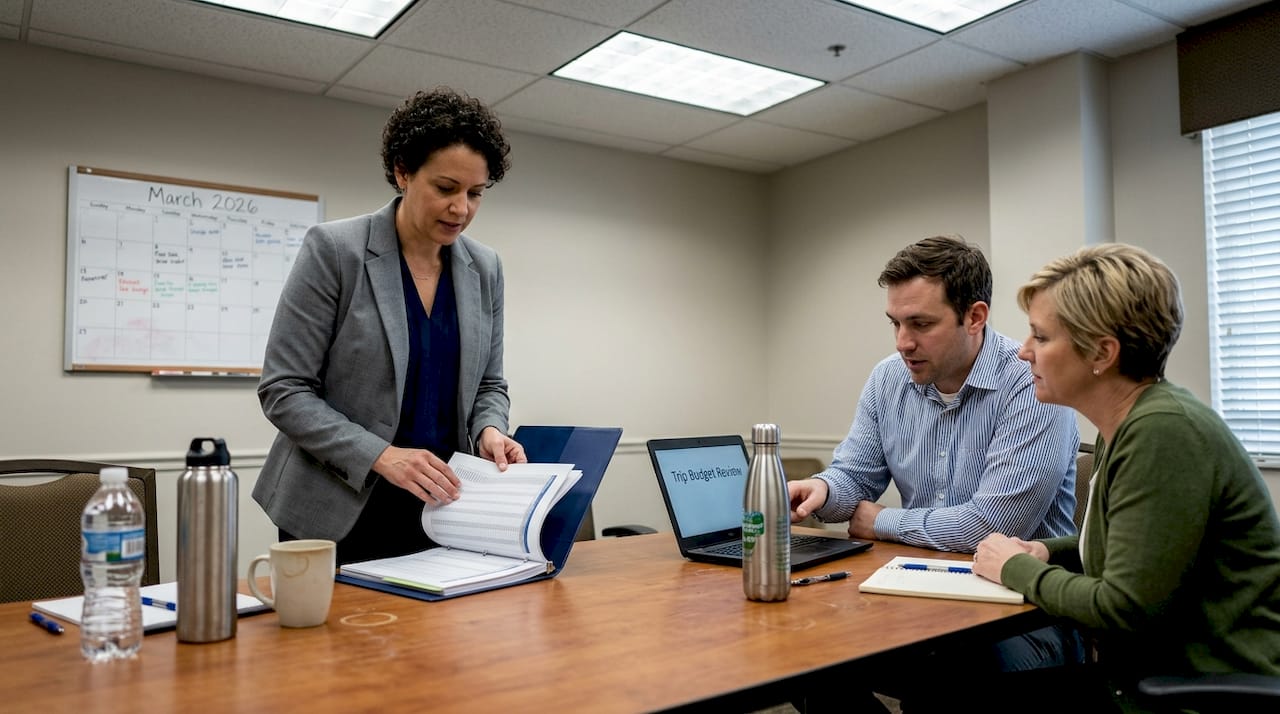
Understanding participant preferences by region shapes successful planning. European attendees prioritize proximity, with Western Europe ranking highest, and sustainability factors heavily into destination perception. Geopolitical considerations affect 28% of attendees’ destination perceptions. North American participants often seek authentic cultural immersion combined with luxury accommodations.
| Budget Consideration | 2026 Strategy |
|---|---|
| Rising accommodation costs | Book earlier, consider shoulder seasons, negotiate group rates |
| Transportation expenses | Leverage technology for virtual pre-trip engagement, reducing on-site days |
| Activity costs | Prioritize immersive local experiences over generic tourist attractions |
| Staffing and logistics | Partner with destination management companies for efficiency |
Technology integration offers significant cost and experience advantages. AI-powered platforms can personalize itineraries based on individual preferences, suggest optimal scheduling to avoid crowds, and provide real-time translation services. Mobile apps keep participants informed, facilitate networking, and gather instant feedback. These tools reduce the need for extensive on-site staff while enhancing the participant experience.
Pro Tip: Survey your participants six months before the trip to understand their interests, dietary restrictions, and mobility considerations. This data allows you to design experiences that resonate while avoiding costly last-minute adjustments.
Balancing business objectives with attendee desires requires open communication. Share why you selected specific destinations or activities, connecting choices back to company values. When employees understand the strategic thinking behind decisions, they appreciate the experience more deeply. This transparency also helps manage expectations around domestic versus international options, especially when budget constraints limit choices.
The geopolitical climate in 2026 influences destination selection more than ever. Political instability, health concerns, and environmental factors affect both actual safety and perceived risk. Work with experienced travel partners who monitor these factors and can pivot quickly if conditions change. Having contingency plans demonstrates your commitment to participant safety and well-being.
Executing your corporate incentive travel: detailing steps for memorable experiences
Execution transforms planning into reality. Follow these steps to deliver an incentive trip that participants will discuss for years.
Define trip themes aligned with intrinsic motivators. Travel leverages intrinsic motivation through memorable, shareable experiences rather than extrinsic rewards like cash. Choose themes that connect to your company story and the achievements you’re celebrating. A sales team that exceeded targets might experience “conquering new territories” through adventure activities in unfamiliar landscapes. A product development team could explore “innovation in action” by visiting cutting-edge facilities or cultural sites known for creativity.
Select immersive and shareable activities. Participants want experiences they can’t easily replicate on their own. Private vineyard tours with winemakers, cooking classes with renowned chefs, or behind-the-scenes access to cultural landmarks create stories worth sharing. These moments generate organic social media content that extends your program’s impact beyond participants. Ensure activities accommodate varying physical abilities and interests by offering choices within the itinerary.
Coordinate logistics ensuring seamless experiences. Nothing kills motivation faster than confusion about schedules, transportation mishaps, or accommodation problems. Provide detailed itineraries through mobile apps that update in real time. Assign staff or local guides to manage transitions between activities. Confirm all reservations multiple times and have backup plans for weather-dependent activities. The goal is for participants to focus entirely on enjoyment without worrying about logistics.
Integrate technology and apps for engagement. Modern platforms do more than share schedules. They facilitate networking through participant profiles, enable photo sharing to build community, and gamify experiences with challenges or scavenger hunts. Technology also streamlines communication, allowing you to send important updates instantly. Choose user-friendly platforms that enhance rather than complicate the experience.
Monitor attendee satisfaction during the trip. Don’t wait until you return home to discover problems. Brief daily check-ins through app surveys or informal conversations help you address issues immediately. This real-time feedback allows you to adjust remaining activities if something isn’t resonating. It also shows participants that you genuinely care about their experience.
Pro Tip: Build excitement weeks before departure through a dedicated trip website or app. Share destination highlights, introduce participants to each other, and provide packing recommendations tailored to planned activities. Pre-trip engagement increases anticipation and helps participants arrive ready to fully engage.
Avoid these common execution pitfalls. Overscheduling exhausts participants and prevents organic bonding. Build in downtime for people to explore independently or simply relax. Underestimating travel time between activities creates stress and rushed experiences. Always add buffer time for unexpected delays. Ignoring dietary restrictions or accessibility needs makes some participants feel excluded. Collect detailed requirements early and communicate them clearly to all vendors.
The difference between good and exceptional incentive travel often comes down to small details. Personalized welcome gifts that reference individual achievements, surprise elements that delight participants, and thoughtful touches like providing phone chargers on buses demonstrate care. These details signal that you view participants as valued individuals, not just a group to manage. When people feel genuinely appreciated, the motivational impact multiplies.
Successful execution also means preparing for contingencies. Weather can disrupt outdoor activities. Transportation strikes can affect schedules. Participants can face medical emergencies. Having clear protocols and backup plans allows you to handle disruptions calmly and professionally. Partner with experienced providers who have local knowledge and established relationships to solve problems quickly.
Verifying success: measuring outcomes and gathering feedback
Measuring incentive travel success proves ROI and guides future improvements. Start with clear key performance indicators established during the planning phase. Employee retention rates provide the most compelling metric. Outsourcing to experts achieves 97% retention for mid to large firms. Track whether participants remain with your company 6, 12, and 24 months after the trip compared to non-participants.
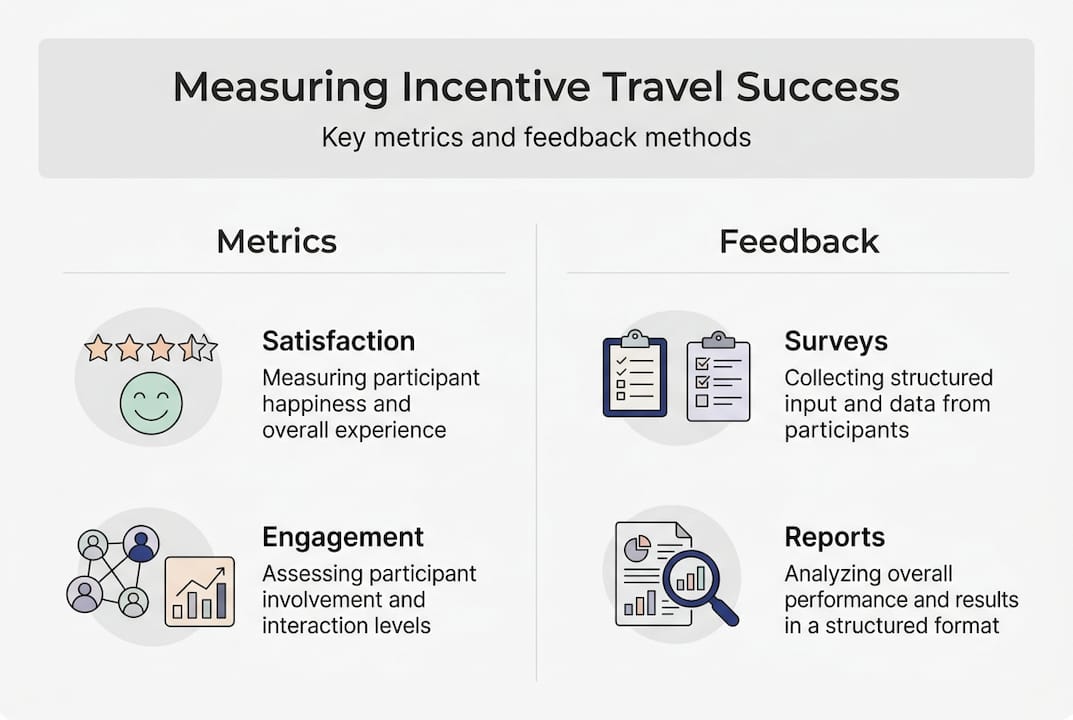
Employee motivation measurement requires both quantitative and qualitative approaches. Survey participants before and after the trip using standardized engagement scales. Monitor performance metrics for the months following the trip to identify productivity changes. Track internal promotion rates among participants versus non-participants. These data points help you understand whether the investment translates into tangible business outcomes.
Collecting actionable participant feedback goes beyond simple satisfaction ratings. Ask specific questions about which activities created the most impact, what they would change, and how the experience affected their view of the company. Conduct focus groups or one-on-one interviews with a sample of participants for deeper insights. The goal is understanding not just what people liked, but why certain elements resonated and others didn’t.
| Success Metric | Measurement Method | Target Benchmark |
| — | — |
| Participant satisfaction | Post-trip survey (1-10 scale) | 8.5+ average rating |
| Employee retention | Track departures 12 months post-trip | 95%+ retention rate |
| Engagement scores | Compare pre and post-trip engagement surveys | 15%+ improvement |
| Referral interest | Measure desire to recommend program to colleagues | 90%+ would recommend |
| Business impact | Monitor productivity and performance metrics | 10%+ improvement |
Use data to refine future incentive travel programs systematically. Identify patterns in feedback across multiple trips. If participants consistently rate cultural experiences higher than leisure activities, shift your planning accordingly. When certain destinations or hotels receive lower scores, investigate whether the issue was fixable or inherent to the choice. This continuous improvement approach ensures each program builds on lessons from previous ones.
Professional evaluation adds objectivity that internal assessments often lack. Third-party evaluators can conduct confidential interviews that reveal honest feedback participants might not share with company leadership. They bring benchmarking data from other organizations, helping you understand how your program compares to industry standards. This external perspective identifies blind spots and opportunities you might miss when evaluating your own work.
The benefits of professional planning extend beyond execution into measurement. Experienced providers have established frameworks for gathering and analyzing feedback. They understand which metrics matter most for different program types and company sizes. They can also provide comparative data showing how your results stack up against similar organizations. This context helps you make informed decisions about future investments in incentive travel.
Don’t overlook qualitative indicators of success. Monitor internal communications and social media for organic mentions of the trip. Strong programs generate ongoing conversation and become part of company culture. Listen for stories participants share during meetings or casual interactions. When people reference trip experiences months later in work contexts, you’ve created lasting impact. These cultural indicators often matter more than numerical scores because they demonstrate deep integration of the experience into how employees view their relationship with your organization.
Finally, share results with stakeholders who approved the program. Create compelling reports that connect trip outcomes to business objectives. Show how retention savings offset program costs. Demonstrate engagement improvements through before and after comparisons. Include powerful quotes and stories that illustrate human impact. When you prove value clearly, securing budget for future programs becomes significantly easier. This documentation also helps you stay current with emerging corporate travel trends by comparing your results against industry benchmarks.
Elite Travel: Your partner in crafting unforgettable incentive travel experiences
Planning corporate incentive travel that truly motivates requires expertise, time, and connections that most internal teams simply don’t have. Elite Travel Management Group brings 35 years of experience designing corporate incentive travel packages that align perfectly with your business objectives while creating unforgettable experiences for your team.
We specialize in customizable programs that reflect your company culture and values. Whether you’re rewarding top performers with individual incentive travel or organizing group experiences, we handle every detail with the precision and care that transforms good trips into exceptional ones. Our deep expertise in European luxury travel means access to exclusive venues, authentic experiences, and the kind of insider knowledge that elevates your program above standard offerings. We’re available 24/7 because your success doesn’t wait for office hours. Let’s discuss how we can design an incentive travel experience that delivers measurable results for your organization.
Frequently asked questions
What factors should I prioritize when planning corporate incentive travel?
Prioritize strategic alignment between your trip design and both company values and employee motivations. This alignment ensures the experience reinforces desired behaviors and creates meaningful emotional connections to your organization. Balance budget considerations with high-impact elements that participants will remember, focusing resources on immersive experiences rather than generic luxury.
How can I manage budget constraints without sacrificing experience quality?
Apply value engineering principles by cutting low-impact elements like excessive free time or standard amenities, then redirecting those resources toward unique, memorable experiences. Leverage technology to personalize and enhance the trip without increasing staffing costs. Consider shoulder season travel, negotiate group rates aggressively, and partner with destination management companies who have established vendor relationships that deliver better value.
Why is outsourcing planning to professionals beneficial?
Professional planners bring specialized destination knowledge, established vendor relationships, and proven frameworks that internal teams rarely possess. Outsourcing achieves 97% retention rates for mid to large firms compared to lower rates with internal planning. Experts handle contingencies smoothly, ensure seamless logistics, and free your team to focus on strategic objectives rather than operational details. The improved outcomes and reduced stress justify the investment.
How do I measure the success of an incentive travel program?
Track employee retention rates at 6, 12, and 24 months post-trip, comparing participants to non-participants. Measure engagement score changes through before and after surveys using standardized scales. Collect detailed participant feedback about specific activities and overall impact through surveys, focus groups, and interviews. Monitor business metrics like productivity and performance in the months following the trip. Combine quantitative data with qualitative indicators like organic social media mentions and ongoing trip references in workplace conversations.
Recommended
- How to Propose a Travel Incentive to Your Boss | Elite Travel
- Where Should You Send Employees For an Incentive Travel Trip? | Elite Travel
- Corporate incentive travel: A 2026 luxury guide
- Luxury Travel Agency For Incentive Travel Vacation Packages | Elite Travel
- 6 Key Benefits of Corporate Bus Rentals in Toronto
