


Corporate incentive travel generates an average ROI of 4:1, proving it’s not just a lavish perk but a strategic investment in employee performance and retention. Yet many planners hesitate, unsure how luxury travel translates into measurable business outcomes. This guide clarifies what corporate incentive travel truly involves, how luxury options amplify motivation, and the frameworks you need to design programs that reward top performers while driving organizational success.
Table of Contents
- What Is Corporate Incentive Travel?
- Why Corporate Incentive Travel Works To Motivate Employees
- Luxury Options In Corporate Incentive Travel
- Common Misconceptions About Corporate Incentive Travel
- Measurable Impact And ROI Of Incentive Travel
- Frameworks For Choosing The Best Incentive Travel Options
- Designing Effective Luxury Incentive Travel Programs
- Practical Steps For Implementing Incentive Travel Programs
- Explore Luxury Incentive Travel With Elite Travel
Key takeaways
| Point | Details |
|---|---|
| Strategic reward tool | Corporate incentive travel is performance-based recognition distinct from routine business trips. |
| Psychological impact | Travel creates memorable experiences that boost intrinsic motivation and long-term loyalty beyond cash bonuses. |
| Luxury customization | Personalized programs yield 20-30% higher satisfaction, making luxury amenities strategically worthwhile. |
| Proven ROI | Incentive travel averages 4:1 returns through improved productivity and employee retention rates. |
| Design frameworks | Successful programs balance budget, demographics, and corporate objectives with structured planning steps. |
What is corporate incentive travel?
Corporate incentive travel is a performance-based employee reward program distinct from routine corporate travel. Unlike conferences or business meetings, incentive trips serve as exclusive rewards for achieving specific goals like sales targets, project milestones, or exceptional performance metrics.
This distinction matters. Business travel fulfills operational needs while incentive travel recognizes achievement. One is transactional, the other transformational.
Global adoption continues accelerating as organizations recognize that traditional bonuses lack the emotional resonance of shared experiences. Forward-thinking companies now allocate significant budgets to luxury incentive programs, understanding that memorable trips create lasting impressions cash rewards cannot match.
Key characteristics include:
- Performance criteria tied to measurable business outcomes
- Exclusive destinations and premium accommodations
- Group experiences fostering team cohesion
- Customization reflecting participant preferences
- Clear communication linking achievement to reward
The luxury component elevates standard incentive travel into experiences employees discuss years later. When top performers spend a week at a five-star resort in Tuscany or explore private villas in Santorini, they associate your organization with excellence and recognition. This psychological anchoring reinforces loyalty far beyond the trip itself.
Incentive travel also differs dramatically from team-building retreats. While retreats focus on skill development or strategic planning, incentive trips celebrate past accomplishments without mixing work obligations into leisure time. Participants truly unwind, strengthening their emotional connection to your organization through positive association.
Why corporate incentive travel works to motivate employees
Human motivation operates on two levels: extrinsic rewards like bonuses and intrinsic satisfaction from meaningful experiences. Cash addresses immediate needs but fades quickly from memory. Travel creates stories employees share, building identity around achievement.
Psychological research reveals experiences generate more sustained happiness than material goods. A luxury trip becomes part of someone’s personal narrative, while a bonus disappears into routine expenses. This explains why incentive travel programs improve employee retention rates and productivity more effectively than equivalent cash rewards.
Consider the anticipation factor. Employees work toward trip eligibility for months, visualizing themselves on that Mediterranean yacht or safari adventure. This sustained motivation drives performance consistently, not just at quarter end. Post-trip, shared memories strengthen team bonds and organizational culture.
Measurable benefits include:
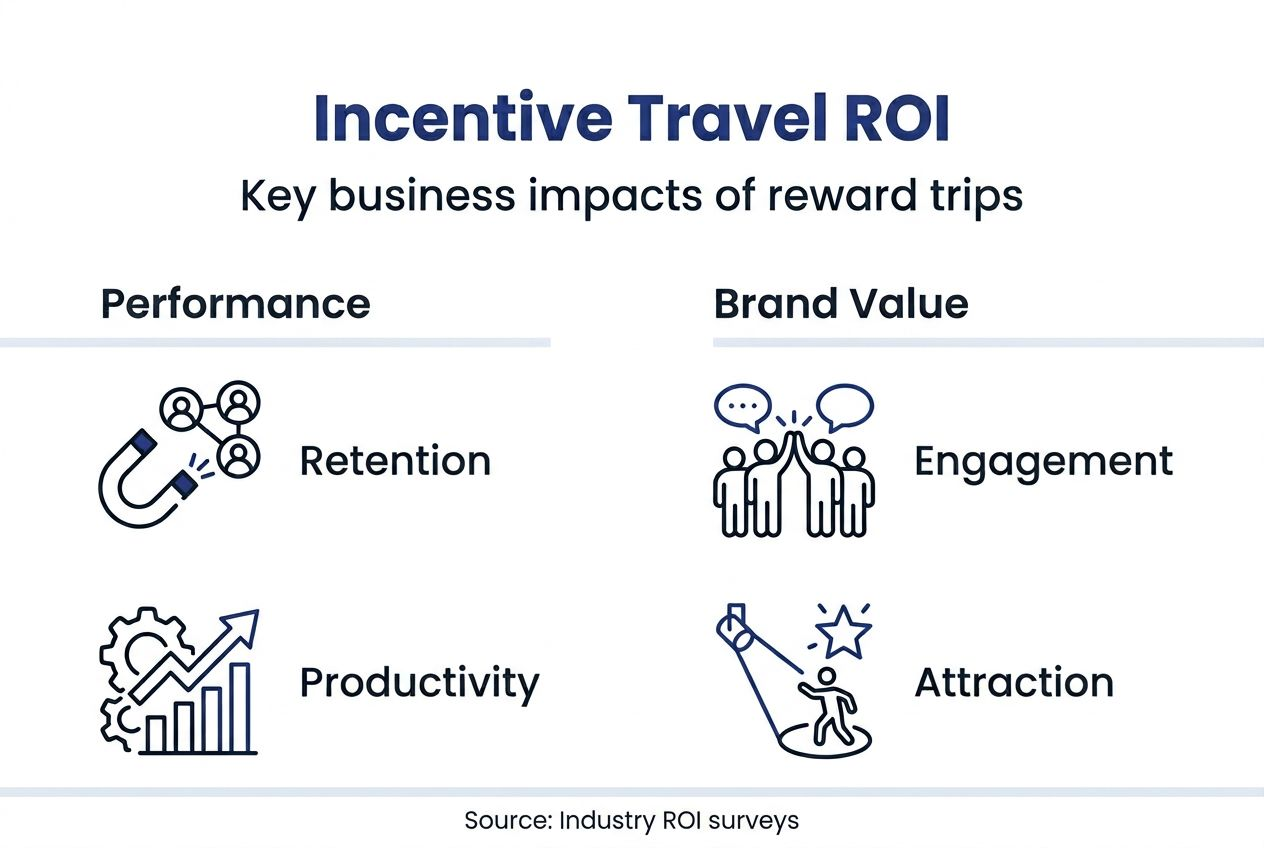
- Retention increases of 15-20% among program participants
- Productivity gains persisting 6-12 months post-trip
- Higher engagement scores in subsequent employee surveys
- Reduced recruitment costs from lower turnover
- Enhanced employer brand attracting top talent
“The most effective rewards create emotional connections that transcend transactional relationships between employers and employees.”
Luxury amplifies these effects. When employees experience genuine five-star service, Michelin-starred dining, or exclusive access to sought-after destinations, they recognize the organization invested significantly in their recognition. This perceived value strengthens reciprocity, the psychological principle that receiving meaningful gifts creates motivation to reciprocate through continued high performance.
Intrinsic motivation particularly benefits from travel’s novelty and personal growth opportunities. Exploring new cultures, cuisines, and landscapes satisfies curiosity and self-actualization needs that salary increases cannot address. Employees return refreshed, inspired, and recommitted to organizational goals.
Luxury options in corporate incentive travel
Luxury transforms good incentive programs into extraordinary ones through strategic customization and exclusive amenities. The difference between standard and luxury lies not just in cost but in attention to detail, personalization, and access to experiences money alone cannot easily buy.
Customization tailored to employee interests yields 20-30% higher satisfaction rates in luxury incentive travel. Rather than one-size-fits-all packages, successful programs segment participants by preferences, offering wine enthusiasts Bordeaux vineyard tours while adventure seekers helicopter over New Zealand glaciers.
Luxury amenities elevate every touchpoint:
- Private villa accommodations with dedicated concierge service
- Michelin-starred restaurant reservations and private chef experiences
- Exclusive access to cultural sites outside public hours
- First-class or private aviation for seamless travel
- Personalized welcome gifts reflecting individual preferences
- Spa treatments and wellness programs
- VIP treatment at events and attractions
Demographic considerations guide customization strategy. Millennials often prioritize authentic local experiences and adventure activities. Gen X appreciates sophisticated cultural immersion. Baby Boomers may prefer comfort, luxury, and historical exploration. Multi-generational programs balance these preferences through choice menus rather than rigid itineraries.
Target your highest performers with ultra-luxury options showcasing organizational appreciation. Consider partnerships with luxury travel specialists who maintain relationships with premium properties and can secure amenities unavailable through standard booking channels. These connections unlock upgrades, special access, and personalized touches that distinguish truly exceptional programs.
Practical luxury examples include private cooking classes with renowned chefs in Provence, behind-the-scenes access at fashion houses in Milan, or guided archaeological tours at restricted sites. These unique experiences create stories participants share indefinitely, extending your program’s impact through organic word-of-mouth promotion.

Common misconceptions about corporate incentive travel
Several persistent myths undermine incentive travel adoption despite overwhelming evidence supporting its effectiveness. Addressing these misconceptions helps secure executive buy-in and proper program investment.
Misconception one: incentive travel is just vacation. This conflates leisure time employees take independently with strategic rewards tied to measurable performance outcomes. Incentive travel requires qualifying through achievement, creating psychological distinction between earned recognition and standard time off. Participants view these trips as professional accomplishments, not personal indulgences.
Myth two: luxury options waste resources better spent elsewhere. This ignores ROI data showing premium programs generate superior returns through enhanced motivation and retention. Budget incentives may check boxes without creating memorable experiences that drive sustained performance improvements. The perceived value gap between luxury and standard options directly impacts program effectiveness.
Wrong assumption three: all incentive programs deliver equivalent results. Quality matters enormously. Generic packages feel transactional rather than transformational. Customization, attention to detail, and genuine luxury separate programs employees discuss enthusiastically from those they tolerate politely.
Another common error treats incentive travel as cost rather than investment. Forward-thinking organizations recognize how to propose a travel incentive by framing programs through ROI metrics, retention savings, and productivity gains rather than expense line items. This mindset shift proves critical for securing adequate budgets.
Employees themselves sometimes misunderstand program intent initially. Clear communication positions incentive travel as earned recognition for exceptional contributions, not entitlement or favoritism. Transparent qualification criteria and public recognition of achievements contextualizes trips appropriately within organizational culture.
Measurable impact and ROI of incentive travel
Data consistently validates incentive travel’s business value through multiple performance indicators. Organizations tracking program outcomes report quantifiable improvements justifying continued investment and program expansion.
The benchmark 4:1 ROI ratio means every dollar invested returns four dollars in productivity gains, retention savings, and revenue increases. This conservative average understates impact for well-designed luxury programs targeting key performers whose contribution significantly exceeds compensation costs.
| Metric | Improvement | Measurement Period |
|---|---|---|
| Employee retention | 15-20% increase | 12-24 months post-program |
| Productivity | 10-18% gain | 6-12 months post-trip |
| Engagement scores | 25-30% improvement | Immediate to 6 months |
| Sales performance | 12-22% increase | Program qualification period |
Company incentive programs generate measurable results across industries. A technology firm reported 18% productivity increases among sales teams following Mediterranean incentive trips, with retention improvements saving an estimated $340,000 in recruitment and training costs over two years.
Case studies reveal patterns. Manufacturing organizations using incentive travel reduced workplace accidents by 12% as safety competition drove trip qualification. Professional services firms noted improved client satisfaction scores correlating with team cohesion strengthened during group travel experiences.
“The long-term motivational impact of properly designed incentive travel programs compounds annually, creating cultural shifts toward high performance that outlast individual trips by years.”
Beyond immediate metrics, incentive travel influences employer brand and talent acquisition. Organizations known for rewarding achievement attract ambitious candidates who view career advancement opportunities as genuine rather than theoretical. This reputation advantage reduces hiring costs and time-to-fill for critical positions.
Post-trip engagement remains elevated months later as participants maintain social connections formed during travel. These strengthened relationships improve collaboration, communication, and team effectiveness in daily operations. The soft benefits of incentive travel often exceed easily quantified ROI through improved organizational culture and employee satisfaction.
Frameworks for choosing the best incentive travel options
Selecting optimal incentive programs requires balancing multiple factors through structured analysis rather than intuition alone. Decision frameworks help planners evaluate options systematically against organizational priorities and participant demographics.
Cost-benefit analysis starts with total program investment including travel, accommodations, activities, and administration. Compare this against expected returns through retention savings, productivity gains, and revenue increases. Calculate breakeven points and expected ROI timelines to justify budget allocation.
Key evaluation criteria:
- Participant demographics and preferences
- Organizational culture and brand alignment
- Budget constraints and ROI expectations
- Destination appeal and accessibility
- Customization opportunities
- Timing and seasonal considerations
- Group size and logistics complexity
| Program Type | Cost Range | Customization Level | Target Audience | Typical ROI |
|---|---|---|---|---|
| Standard luxury | $3,000-$5,000 per person | Moderate | Broad performer base | 3:1 to 4:1 |
| Premium custom | $5,000-$8,000 per person | High | Top tier achievers | 4:1 to 5:1 |
| Ultra-luxury exclusive | $8,000+ per person | Complete | Elite performers | 5:1+ |
Domestic vs international incentive travel decisions hinge on budget, time availability, and desired experience intensity. International destinations create stronger differentiation and memorable experiences but require longer trip durations and higher investment. Domestic luxury options work effectively for shorter programs or more frequent recognition cycles.
Employee input proves invaluable. Survey potential participants about destination preferences, activity interests, and travel style comfort levels. This data informs customization decisions while building anticipation and engagement before qualification periods begin.
Pro Tip: Weight decision criteria by organizational priorities rather than treating all factors equally. Revenue-focused cultures may prioritize ROI metrics heavily, while retention-challenged organizations might emphasize engagement and loyalty impacts more substantially.
Designing effective luxury incentive travel programs
Translating frameworks into actionable programs requires methodical planning aligning travel experiences with corporate objectives and participant expectations. Successful design balances aspiration with achievability, luxury with authenticity.
Stepwise program design process:
- Define clear performance metrics and qualification criteria
- Establish budget parameters and ROI targets
- Survey participant preferences and interests
- Select destinations aligning with brand values
- Customize itineraries offering choice and flexibility
- Partner with luxury travel specialists for exclusive access
- Communicate program details transparently and frequently
- Build anticipation through regular updates and previews
- Execute flawlessly with contingency planning
- Measure outcomes and gather participant feedback
Luxury and business objectives intersect through strategic alignment. If innovation drives organizational strategy, choose destinations known for creativity and cutting-edge design. Customer service cultures benefit from locations exemplifying hospitality excellence. This thematic consistency reinforces corporate values while rewarding achievement.
Employee feedback integration happens at multiple stages. Pre-trip surveys capture preferences informing customization. Mid-program check-ins identify real-time adjustments needed. Post-trip evaluations provide insights improving future iterations. This continuous improvement approach maximizes satisfaction and impact over time.
Pro Tip: Design programs with built-in flexibility allowing participants meaningful choices within structured frameworks. Offer activity menus rather than rigid schedules, accommodating diverse interests while maintaining group cohesion through shared signature experiences.
Balancing luxury with authenticity prevents programs feeling staged or superficial. Participants value genuine cultural immersion and local expertise over purely tourist experiences. Partner with specialists who curate authentic luxury combining five-star comfort with meaningful destination engagement.
Corporate branding should enhance rather than dominate travel experiences. Subtle touches like custom welcome amenities or branded travel accessories work better than overt corporate messaging that makes trips feel like extended work events. The focus remains on recognition and appreciation, not marketing.
Practical steps for implementing incentive travel programs
Execution determines whether thoughtful planning translates into successful outcomes. Implementation requires attention to logistics, communication, and participant experience from announcement through post-trip follow-up.
Initial steps establish program foundation:
- Secure executive sponsorship and budget approval
- Form cross-functional planning team including HR, finance, and operations
- Define qualification criteria and communication timeline
- Select travel partners with luxury expertise and proven track records
- Establish measurement framework for tracking ROI and satisfaction
Budgeting extends beyond travel costs to include administration, communication materials, and contingency reserves. Allocate 10-15% buffer for unexpected expenses or last-minute adjustments. Consider trip insurance protecting organizational investment against cancellations or disruptions.
Destination and activity selection balances appeal with logistics. Evaluate accessibility, visa requirements, seasonal weather, and local infrastructure. Premium destinations warrant premium execution, so ensure selected locations support luxury experiences consistently.
Clear participant communication starts when programs launch, not at trip time. Announce qualification criteria publicly and transparently. Provide regular progress updates building anticipation. Share destination highlights and itinerary previews generating excitement while participants work toward eligibility.
Logistics planning covers transportation, accommodations, activities, meals, and free time. Build detailed timelines with contingencies for delays or changes. Assign dedicated staff managing on-ground coordination and participant support. Quality execution requires professional oversight, not improvisation.
Post-trip evaluation measures program success through surveys, performance metrics, and retention tracking. Gather feedback while experiences remain fresh. Analyze data identifying what worked, what needs improvement, and how future programs can deliver even greater impact. Share success stories internally, reinforcing program value and motivating future participation.
Implementation guides help participants prepare appropriately for luxury travel experiences. Provide packing recommendations, cultural briefings, and itinerary details helping employees maximize trip enjoyment while minimizing stress about logistics or expectations.
Explore luxury incentive travel with Elite Travel
Ready to transform your incentive program into an unforgettable experience your top performers will discuss for years? Elite Travel Management Group specializes in corporate incentive travel packages designed around your business objectives and employee preferences.
Our 35 years of luxury travel expertise ensures every detail reflects the excellence your high performers deserve. We handle logistics, secure exclusive access, and customize experiences that strengthen loyalty while delivering measurable ROI. Whether you need individual incentive travel solutions or comprehensive group programs, our concierge approach guarantees seamless execution from planning through return.
Explore our luxury vacation packages and discover how strategic incentive travel investments pay dividends through improved retention, productivity, and organizational culture. Let’s design a program worthy of your top talent.
FAQ
What is the typical ROI of corporate incentive travel programs?
Corporate incentive travel averages 4:1 ROI through productivity improvements and retention savings. Well-designed luxury programs targeting key performers often exceed this benchmark, generating 5:1 or higher returns by preventing costly turnover and sustaining motivation beyond trip completion.
How does luxury incentive travel differ from other corporate travel?
Luxury incentive travel functions as exclusive performance recognition rather than operational necessity. Unlike business trips or conferences mixing work with travel, incentive programs reward past achievements through customized experiences emphasizing relaxation, cultural immersion, and premium amenities without work obligations.
What steps should I take to design an effective incentive travel program?
Start by defining clear qualification criteria and budget parameters aligned with business objectives. Survey participant preferences, select appropriate destinations, and partner with luxury travel specialists for customization and exclusive access. Communicate transparently throughout, execute flawlessly, and measure outcomes through retention and productivity metrics post-trip.
Can incentive travel programs be customized to employee preferences?
Customization significantly improves satisfaction, with personalized programs yielding 20-30% higher engagement than generic options. Survey participants about destination interests, activity preferences, and travel styles, then design flexible itineraries offering meaningful choices within structured frameworks that maintain group cohesion through signature shared experiences.
