



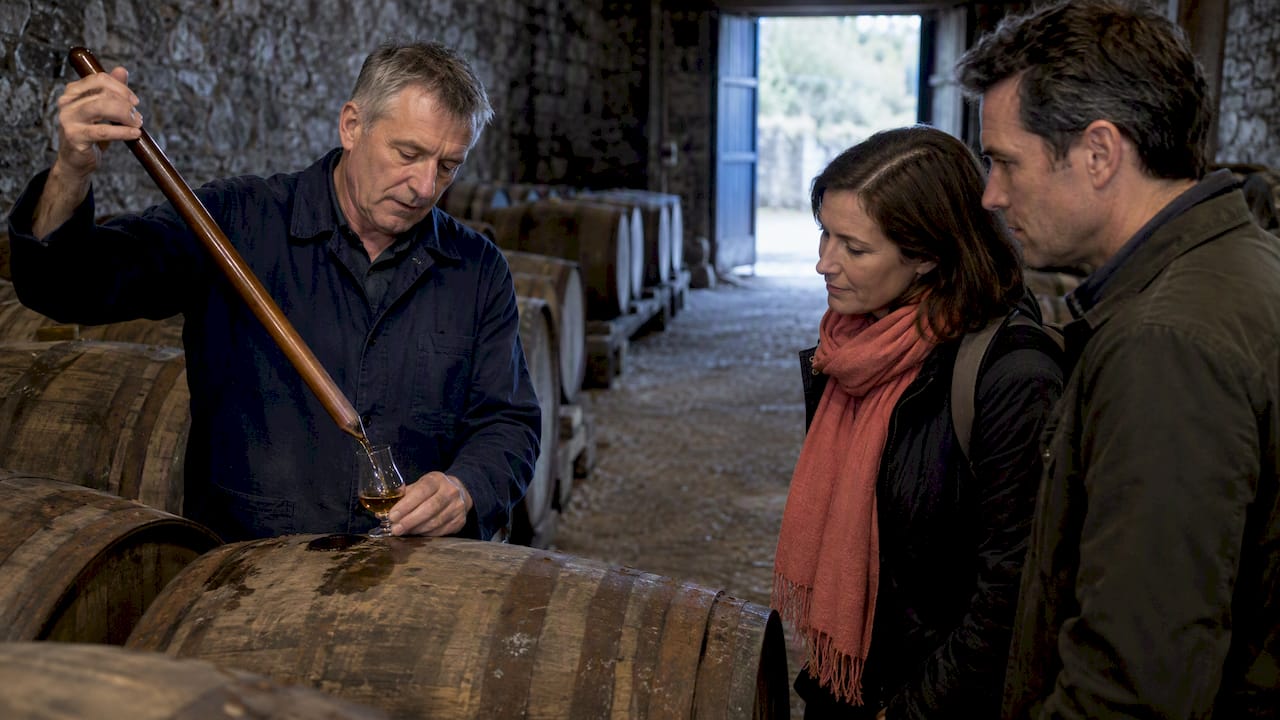
For a truly immersive Scotch experience, choose a guided, region-focused tour through Speyside, Islay, or a Highlands circuit rather than a scattered list of stops. These regions give you the best access to warehouse tastings and private cask sampling. Remember that Scotch must be distilled and matured in Scotland for at least three years, so authenticity is built into every legitimate pour you taste. Book small-group or private tours in advance when possible, especially during busy periods.
TL;DR:
- Private cask sampling and warehouse tastings are key premium experiences that require booking months in advance, especially in summer.
- Speyside offers dense, multi-stop tours suitable for a day or two, while Islay benefits from slow, multi-day island stays focused on peat-rich whiskies.
- Building a regional itinerary with deep access and quiet moments like warehouse tastings provides a richer experience than rushed visits across multiple distilleries.
- Valid photo ID and early booking are essential, with costs ranging from affordable standard tours to costly exclusive experiences involving cask access.
- Responsible touring includes arranging private transport or driver-guides to manage tastings safely and allows non-drinkers to participate fully without consuming alcohol.
Table of Contents
- Which tour format fits your trip?
- Sample itineraries you can adapt
- Booking, costs, and practical logistics
- Tasting primer and regional flavor guide
- Why a luxury travel specialist can improve your Scotland whisky tour
- Tips for non-drinkers or designated drivers on whisky tours
- Historical background and cultural significance of Scotch whisky
- Guidance on responsible drinking and legal considerations during tours
- What serious travelers get wrong about whisky touring
- Let us plan your bespoke Scotland whisky tour
- FAQ
- Sources
Which tour format fits your trip?
Scotland offers several ways to see its distilleries, and the right one depends on how much time you have and how deep you want to go. A single-distillery visit works for a quick stop near a city. A guided day trip covers two or three distilleries with a driver handling logistics. A multi-day escorted tour moves you between regions with lodging and meals built in. Island immersions commit several days to one place, usually Islay, with ferry crossings book-ending the stay. Blending sessions and masterclasses, often run in small groups, let you build your own bottle under a guide’s direction.
Each region rewards a different approach:
- Speyside packs dozens of single-malt houses into a compact area, ideal for a multi-stop day trip or a short loop, including The Balvenie, known for floor maltings and cooperage tours.
- Islay suits a dedicated multi-day stay built around peat-driven whiskies and immersive, slower-paced visits, exemplified by Ardbeg.
- Highlands deliver variety and scenery, pairing distillery stops with castles, loches, and coastal drives.
- Lowlands and Campbeltown suit travelers who want quieter, less crowded visits and a change of pace from the busier trails.
The experiences that elevate a tour from informative to memorable tend to happen off the main visitor path: a warehouse tasting straight from the cask, the chance to fill your own bottle, or a private masterclass with a distillery’s blender. Glenfiddich offers tiered experiences, from a short standard tour to a longer Malt Master session, so you can scale the depth of access to your interest and budget. Glendronach publishes similar visitor tiers on its own site, worth checking before you build a day around it.
Sample itineraries you can adapt
A loose plan beats no plan when distillery hours and ferry schedules are involved. These templates give you a starting point.
- One day from Edinburgh or Glasgow: Leave by 8:00 AM, reach your first Speyside or central Highlands distillery by mid-morning, take a standard 60 to 90 minute tour with tastings, have lunch on-site or nearby, visit a second distillery in the afternoon, and return by early evening. A driver-guide removes the stress of mountain roads after a tasting flight.
- Three to four days in Speyside: Base yourself in Dufftown or Elgin. Spend day one on orientation and two core distillery tours, day two on a deeper visit such as The Balvenie’s cooperage and warehouse experience, day three exploring smaller or boutique producers, and day four for a blending class or a slower morning before departure.
- A long weekend on Islay: Catch the ferry from Kennacraig, allowing extra time for vehicle check-in. Spend two full days visiting distilleries including Ardbeg, with warehouse tastings booked ahead, and reserve the third day for a coastal walk or a second round of tastings before the return crossing.
- Seven days combining regions: Open with two or three days in Speyside, travel by train or private transfer to the Highlands for scenery and two more distillery days, then finish with either an Islay extension or a Highlands coastal loop. Build in one rest day with no scheduled tastings so the palate, and the traveler, recover.
Pace matters more than distance. Two distilleries a day with time for lunch and a scenic drive beats four rushed stops that blur together.
Booking, costs, and practical logistics
Premium experiences, especially warehouse tastings and small-group sessions at distilleries like The Balvenie, often require booking months ahead, particularly in peak summer months. Standard tours can sometimes be booked closer to your travel date, but don’t count on it during July and August.
Typical costs vary widely by distillery and experience level. Standard tours with a tasting flight often run in the lower tens of pounds, while extended experiences with warehouse access, cask-strength samples, or a masterclass run higher. Check current exchange rates before budgeting, since prices are quoted in GBP.
A few practical notes before you go:
- Confirm each distillery’s calendar directly, since many close for maintenance or run reduced hours during quiet production periods.
- Carry government-issued photo ID, since distilleries check age before pouring.
- Book ferries to Islay well ahead if bringing a vehicle, as space fills quickly in summer.
- Consider a private driver-guide for Speyside and Highlands routes where distilleries sit far apart on narrow roads.
Pro Tip: Call or email a distillery directly if a tour page shows no availability; some hold back a few seats for last-minute inquiries.
Tasting primer and regional flavor guide
Understanding what you’re tasting turns a distillery visit into something closer to a conversation with the place itself.
- Islay: Smoky, maritime, often intensely peated.
- Speyside: Fruity, floral, and elegant, with many sherry and bourbon cask influences.
- Highlands: Broad and varied, from light and heathery to rich and spiced.
- Lowlands: Lighter, grassier, often triple-distilled.
- Campbeltown: Briny and complex, a style once dominant and now produced by only a handful of distilleries.
Flavor comes from three main levers: peat use during malting, the type of cask used for maturation, and still shape, which affects how much contact the spirit has with copper during distillation — all key indicators of spirit quality. Every legitimate bottle also carries the baseline legal fact that Scotch must mature in oak casks in Scotland for at least three years, a rule the Scotch Whisky Association’s guidance for bottlers and producers reinforces as central to protecting the category’s authenticity.
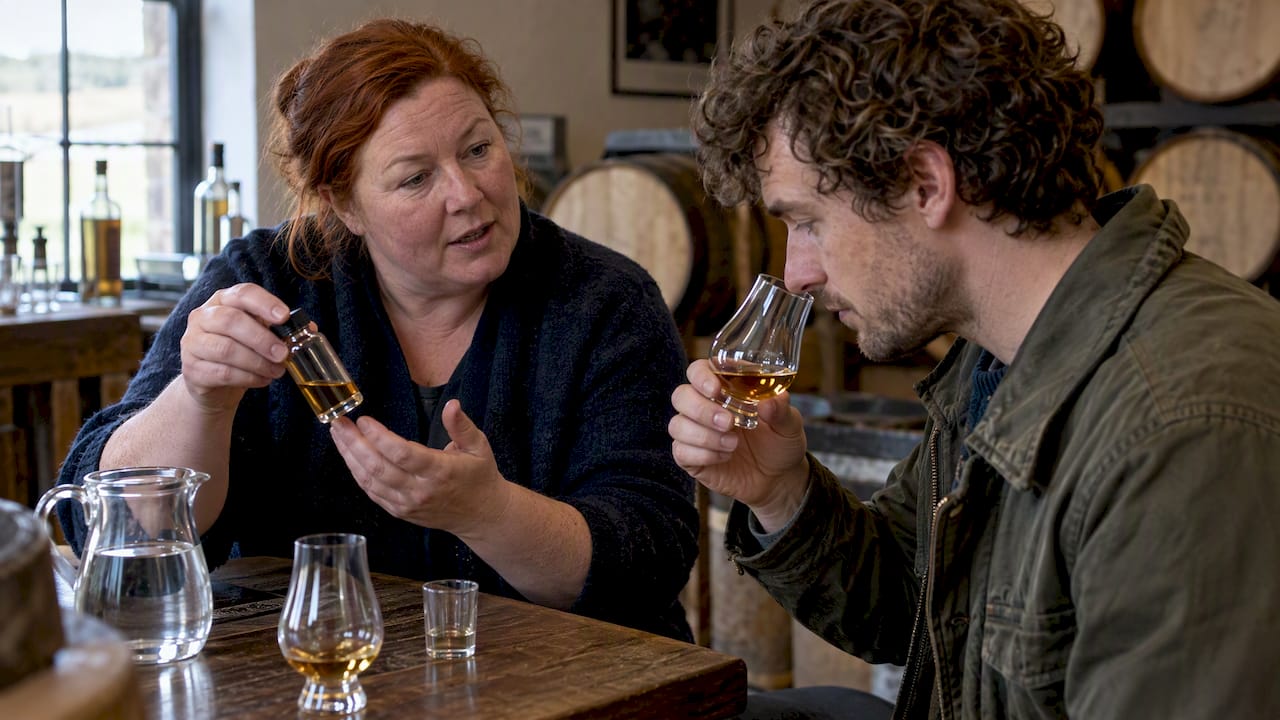
Asking a guide what a specific cask held before (sherry, bourbon, wine) and when it was filled often unlocks the most useful tasting notes, since that single detail shapes aroma and finish more than almost anything else. When nosing a dram, let it sit a moment, breathe before sipping, and taste at room temperature first before adding a few drops of water to open it up.
Why a luxury travel specialist can improve your Scotland whisky tour
Booking a specialist pays off when private access, tight scheduling, or a celebration is involved. With experience arranging high-end journeys, we coordinate timed transfers between distilleries, secure bespoke accommodation near key whisky regions, and arrange access to experiences that aren’t always easy to book directly, including private tastings and cask-focused visits. We offer concierge-level service around the clock. For milestone celebrations, tight multi-region schedules, or group travel where logistics multiply, that level of coordination removes the guesswork from a trip built around a narrow window of time.
Tips for non-drinkers or designated drivers on whisky tours
A whisky tour works fine without drinking every pour. Most distilleries offer a driver’s option: you still join the tour and the explanation of process, but tastings are either skipped, poured into a take-home sample bottle, or replaced with a non-alcoholic tasting of the raw ingredients like malted barley. Ask about this when booking, since not every tour defaults to offering it.
Spitting rather than swallowing is normal practice at tastings and never draws attention, especially in a group setting with several stops planned for the day.
If you’re the designated driver for a group, a driver-guide or private transfer removes the dilemma entirely, letting everyone in your party taste freely while someone else handles the roads, which matter on Scotland’s narrow rural routes. Multi-day tours with professional transport built in solve this automatically.
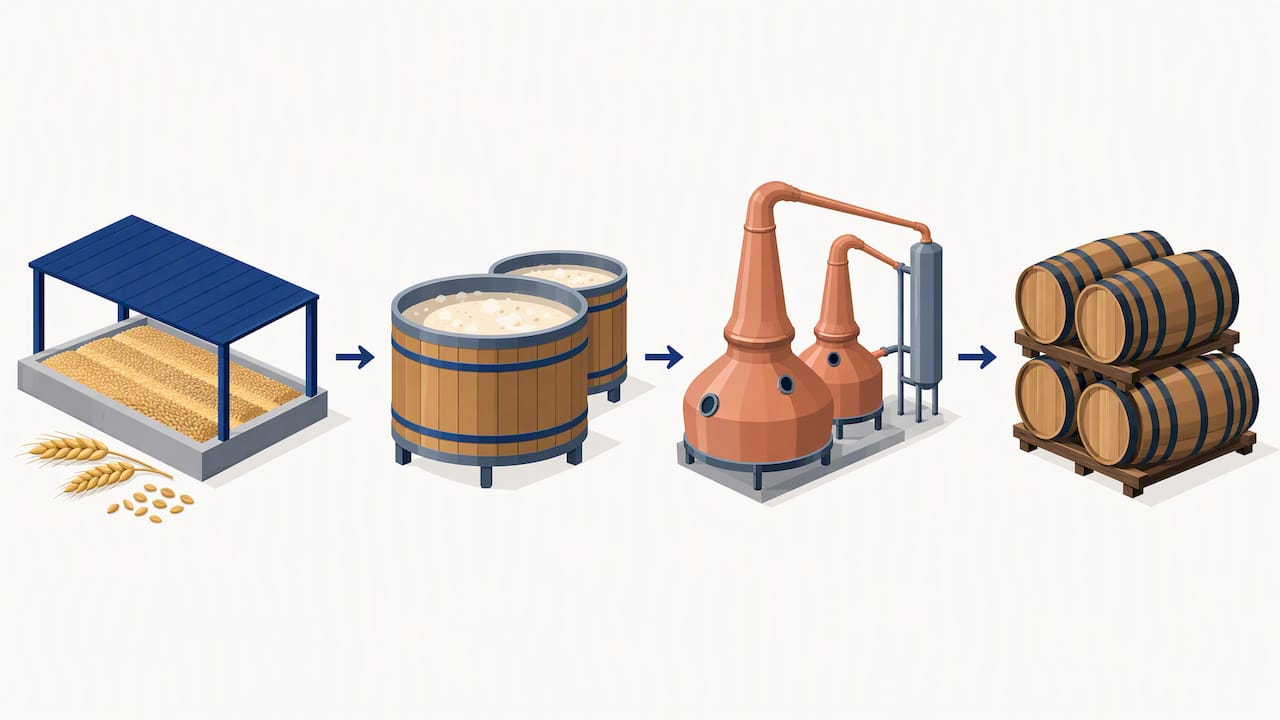
Non-drinkers can still get full value from a distillery visit. The process itself, from malting through fermentation, distillation, and warehouse aging, is the more interesting part of most tours, and guides tend to focus as much on history and craft as on the tasting at the end.
Historical background and cultural significance of Scotch whisky
Whisky production in Scotland traces back centuries, rooted in monastic distilling and later shaped by excise law, smuggling, and the eventual legalization and regulation of the trade in the 1800s. The five recognized whisky regions, Speyside, Highland, Islay, Lowland, and Campbeltown, developed distinct styles partly from geography and partly from the raw materials and water sources available locally, a distinction the UK government’s own guidance on producing Scotch whisky still codifies today.
Scotch became one of Scotland’s defining cultural exports, tied closely to national identity, rural economies, and centuries of craft passed between generations of distillers. Visiting a working distillery connects a traveler directly to that lineage, since many sites still use equipment and processes that have changed little over decades. The warehouses themselves, often low stone buildings with earthen floors, are part of that living history, not just storage.
For American travelers, understanding this context adds weight to the visit. A dram tasted in a Speyside warehouse or an Islay distillery carries the same legal protections and production heritage that define the category worldwide, which is part of why the experience resonates beyond the glass itself.
Guidance on responsible drinking and legal considerations during tours
Scotland’s legal drinking age is 18, and distilleries check ID before any tasting, so carry a government-issued passport or similar document. Most tours offer small pours, typically under half an ounce per dram, spread across several tastings rather than full glasses, which keeps the pace manageable across a multi-stop day.
Pace yourself across a day with several distillery stops. Eating before and between tastings, drinking water alongside whisky, and spacing out visits all help you stay sharp enough to actually absorb what a guide is explaining. Spitting out a sample is always acceptable and common practice among serious tasters.
Driving under the influence carries serious legal consequences in Scotland, so arrange a driver-guide, private transfer, or public transport for any day involving multiple tastings. Industry guidance from the Scotch Whisky Association underscores the production standards that protect the category, and that same spirit of care extends to how travelers approach tasting it responsibly on-site.
What serious travelers get wrong about whisky touring
Most advice on Scotland whisky trips treats distilleries as checkboxes: hit five in two days, snap photos, move on. That approach misses the point entirely. The best memories come from the slower stops, a warehouse tasting where a guide pulls a sample straight from an aging cask, a conversation about why one still shape produces a lighter spirit than another, time spent in a quiet Campbeltown visitor center instead of a crowded Speyside flagship.
The conventional wisdom also undersells planning. Travelers assume they can book premium experiences a week out, then discover the good slots at places like The Balvenie filled up months earlier. Lead time is not optional for the experiences that actually matter.
If there’s one thing to prioritize, it’s depth over count. Two distilleries with real access beat five rushed tours with none. Build the trip around a region, not a checklist, and treat the quiet moments, a warehouse, a cooperage, a conversation with a blender, as the actual destination.
— tammylevent@gmail.com
Let us plan your bespoke Scotland whisky tour
Thirty-five years of arranging high-end journeys means we know which distilleries offer the private access worth building a trip around, and we handle every transfer, reservation, and detail so your days run on schedule instead of on hope.
- Custom itineraries built around the regions and experiences that matter most to you
- Private transfers and driver-guides arranged between distilleries and accommodations
- Help to secure exclusive access, including warehouse tastings and masterclasses where available
- 24/7 support, no service fees, and a price match guarantee on every booking
Ready to start? Request a bespoke Scotland vacation quote and we’ll begin shaping your itinerary.
FAQ
Which is the best whiskey tour in Scotland?
There’s no single best tour since it depends on your interests: Speyside suits travelers who want variety across many single-malt houses, while Islay suits those drawn to peat-forward styles and a slower island pace. A guided, region-focused itinerary consistently outperforms a scattered list of unrelated stops.
What is the No. 1 whisky in Scotland?
There’s no official ranking of a single “No. 1” Scotch, since quality and preference vary by palate and region. Well-known names across the five recognized regions, including Speyside, Islay, Highland, Lowland, and Campbeltown, each produce distinct, highly regarded styles rather than one universally ranked winner.
Is there a whiskey train tour in Scotland?
Rail travel through Speyside is a practical way to connect distillery towns, and some operators run themed journeys that pair scenic train routes with distillery visits. Check current seasonal schedules directly with rail and tour operators before building a trip around one.
Is the Scotch Whisky Experience worth it?
A dedicated whisky-focused visitor attraction can work well as a short, accessible introduction, especially for travelers short on time in a city. For a deeper, more immersive trip, a multi-day regional tour with working distillery visits and warehouse tastings delivers a richer experience than a single city-based stop.
Sources
- Gov
- Guidance for bottlers and producers (Scotch Whisky Association)
- Visit The Glenfiddich Distillery
- Visit The Balvenie Speyside Whisky Distillery
