



TL;DR:
- Family travel in 2026 emphasizes multi-generational trips, kid-influenced choices, and slow travel experiences. Planning early, building flexibility, and choosing formats that minimize daily decisions help families enjoy stress-free vacations. Destinations like walkable cities and U.S. road trips are trending for their convenience and cultural richness.
Family travel trends 2026 are defined by three forces reshaping how families vacation: multi-generational trips are surging, children are actively driving destination choices, and slow travel is replacing the exhausting “see everything” approach. A remarkable 92% of parents plan to travel with their children this year, representing a 110% year-over-year rise in family travel interest. Two concepts now sit at the center of this shift: “kidfluence,” where children shape vacation decisions, and “inheritourism,” where families recreate and modernize the trips they took as children. If you are planning a family vacation in 2026, these trends will directly affect where you go, how you plan, and how much you spend.
What are the most popular family travel trends in 2026?
The dominant family travel trends this year go well beyond picking a beach resort. Road trips, multi-generational travel, pet-friendly vacations, and kid-driven planning are all growing at rates that would have seemed unlikely just three years ago.
Road trips are the clearest example of this growth. Road trip interest jumped 150% across Europe and Italy, while pet-friendly travel rose 170% in the same period. These numbers reflect a broader desire for flexibility, lower costs, and the ability to travel on your own schedule with your own rules.
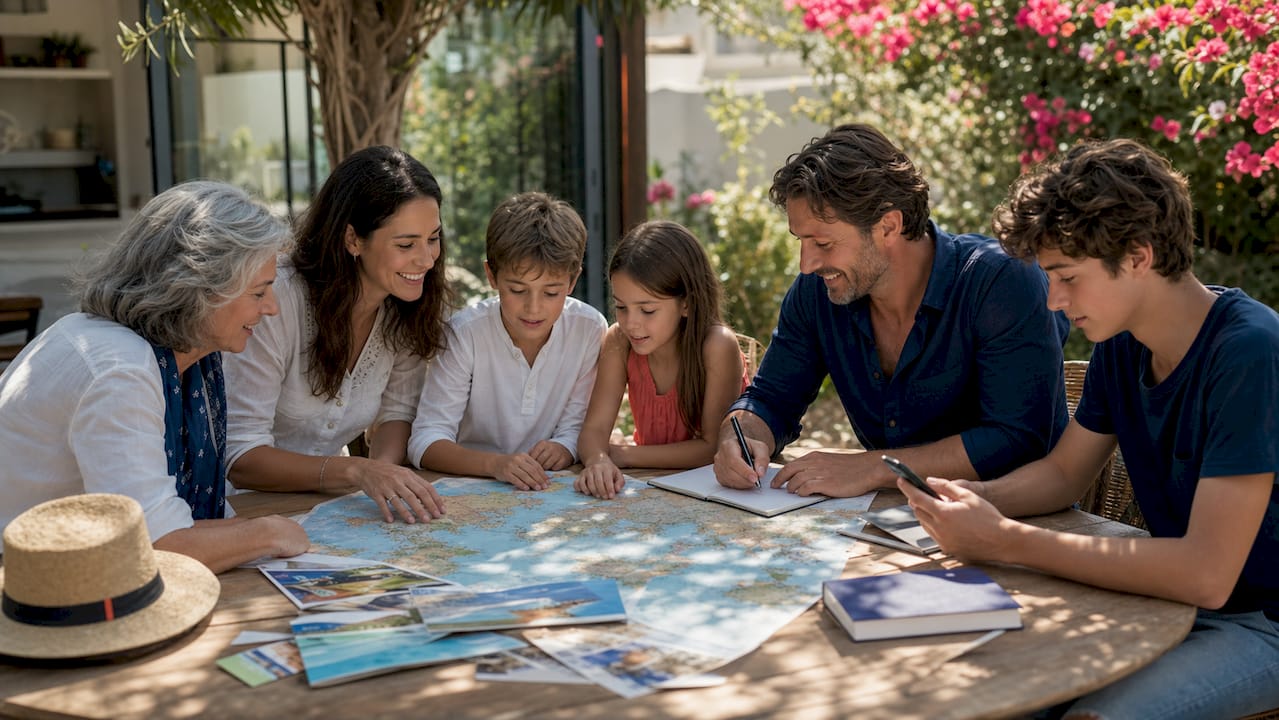
Multi-generational travel, often called “grandcations,” is one of the fastest-growing segments in family tourism. 57% of parents now plan trips that include grandparents, creating built-in childcare, shared costs, and richer bonding experiences across age groups. That statistic matters because it signals a structural shift: families are no longer planning around the nuclear unit alone.
Kidfluence is the third major force. 78% of parents report that their children directly influence destination and activity choices. This is not just about keeping kids happy. It reflects a deliberate parenting philosophy where children develop ownership over family experiences.
Key trends shaping upcoming travel trends for families in 2026:
- Road trips with flexible routes and pet-friendly stops are replacing rigid package tours
- Grandcations spread costs and create natural childcare support across generations
- Kidfluence drives bookings toward destinations with strong kids’ programming, wildlife encounters, and interactive cultural experiences
- Slow travel favors longer stays in fewer places over rapid multi-city itineraries
- Pet-friendly travel has grown 170%, pushing hotels and resorts to upgrade their pet policies and amenities
Pro Tip: When kids help choose the destination, they arrive more invested and complain less. Give each child one non-negotiable activity to pick, then build the itinerary around those anchors.
How does “inheritourism” shape family trips in 2026?
Inheritourism is defined as the tendency of adults to recreate the travel experiences of their own childhoods while updating them with modern values. 73% of travelers say family traditions directly influence their travel style. That is not nostalgia for its own sake. It is a deeply emotional process of passing down a “comfort blueprint” for how travel should feel.
“Families repeat travel comfort blueprints from childhood but modernize with eco-conscious and digital detox values.” — Inheritourism: How Family Patterns Continue to Shape Travel in 2026
In practice, this means a family that spent summers in coastal Italy is likely to return there with their own children, but they will choose a farm-to-table agriturismo over the all-you-can-eat buffet hotel their parents booked. The destination stays the same. The values around it evolve.
The hospitality industry has responded with what travel researchers now call “family ecosystems.” These are resort and hotel designs built around the concept of “parallel play,” where adults and children share a physical space but pursue separate, age-appropriate activities simultaneously. A parent reads by the pool while a child joins a cooking class twenty feet away. Both are present. Neither is bored or compromised.
Pro Tip: Before booking, ask your hotel or resort specifically whether they offer parallel programming for adults and children at the same time. A property that can answer that question in detail is one that actually understands family travel.
Eco-conscious values are now woven into inheritourism. Families who grew up camping in national parks are returning to those parks with their own kids, but they are choosing low-impact lodges, carbon-offset flights, and guided conservation experiences. The tradition persists. The footprint shrinks.
What are the best family travel tips for 2026 planning?
Stress is the single biggest threat to a family vacation. The mental load of planning, managing logistics, and keeping everyone happy falls disproportionately on one parent, and that load does not disappear when you board the plane. The families who report the most enjoyable trips are the ones who plan to reduce decisions, not multiply them.
Here is a practical planning sequence for 2026 family vacations:
- Start early. International trips require a 6–12 month planning window. Domestic trips need at least 4–6 weeks. Starting late forces rushed decisions and limits your best options.
- Build a realistic budget with a 15–20% buffer. Hidden costs like local transport, last-minute activities, and emergency expenses are the norm, not the exception. Budget for them from day one.
- Schedule “nothing days.” Mandatory buffer days built into your itinerary are the single most effective way to prevent exhaustion. One unscheduled day per five days of travel is a reliable rule.
- Pre-book logistics. Airport transfers, skip-the-line passes for major attractions, and restaurant reservations should all be locked in before you leave. Decisions made at home cost nothing. Decisions made on the street with tired kids cost everything.
- Protect screen-free time. 58% of parents cite screen-free bonding periods as a key factor in stress-free travel. Designate specific windows, like meals and morning walks, as phone-free by default.
- Consider all-inclusive resorts or cruises. All-inclusive properties with age-segmented kids’ clubs remove the daily decision-making that drains parents. You pay once and stop negotiating every meal, activity, and tip.
The mental load of family travel is real and measurable. Choosing a vacation format that reduces daily choices is not laziness. It is strategy.
Which are the best family travel destinations in 2026?
Slow travel is an intentional response to overtourism and exhaustion, and it is reshaping which destinations families choose. Compact, walkable cities like Valencia and Edinburgh are rising on family travel lists precisely because they reward longer stays. You can walk to the market, the museum, and the park without a car. Kids do not melt down in traffic. Parents do not spend half the trip navigating.
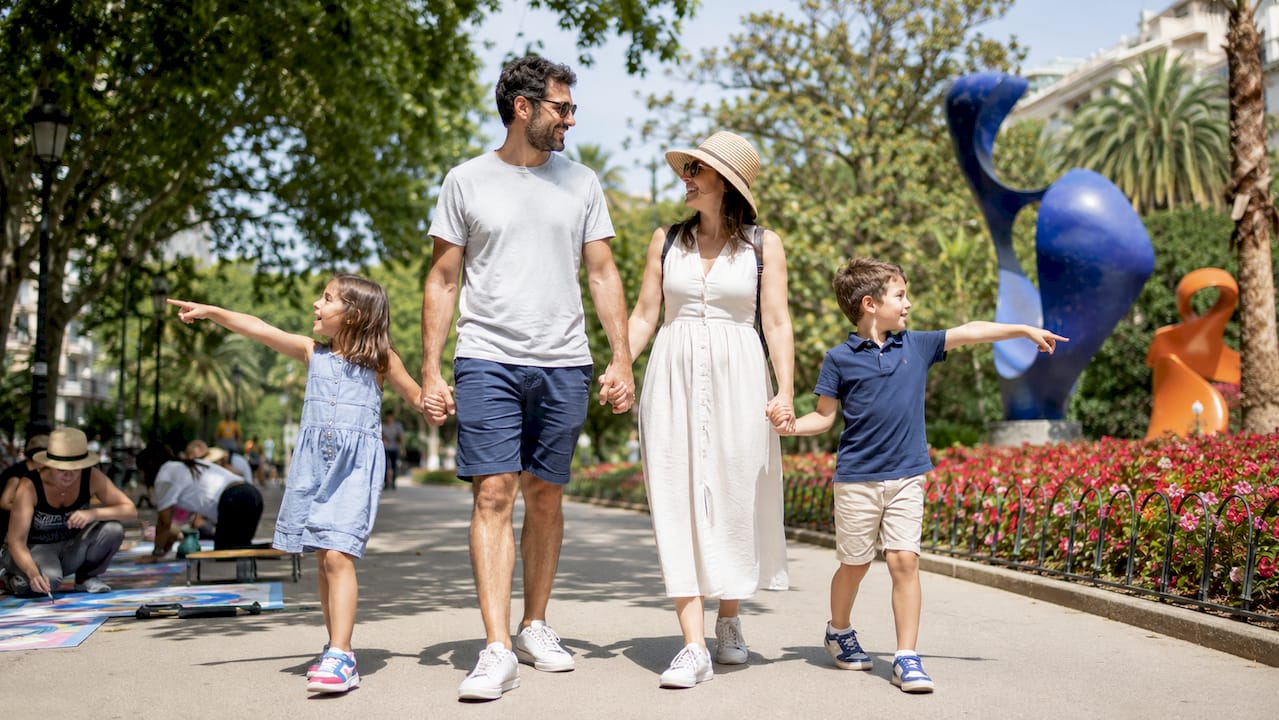
For families considering luxury Europe vacation packages, cities like Valencia offer a combination of beach access, world-class food markets, and a compact historic center that works for every age group. Edinburgh pairs dramatic history with manageable geography and genuinely excellent children’s programming at sites like the National Museum of Scotland.
US road trips are surging as a family vacation format, driven by flexibility and the ability to bring pets. The Pacific Coast Highway, the Blue Ridge Parkway, and Route 66 are all seeing increased family bookings in 2026. Kid-friendly boat tours and coastal destinations like Crab Island in Florida are also gaining traction as accessible, activity-rich options for families who want water-based experiences without international logistics.
Here is a direct comparison of the most popular family vacation formats in 2026:
| Vacation Type | Best For | Key Advantage | Main Challenge |
|---|---|---|---|
| All-inclusive resort | Young children, first-time family travelers | Removes daily decisions, built-in kids’ clubs | Less cultural immersion |
| Family cruise | Multi-generational groups | Age-segmented programming for every generation | Limited destination depth |
| Road trip | Flexible families, pet owners | Freedom, cost control, pet-friendly | Requires significant driving time |
| Slow travel base | School-age children, culture-focused families | Deep immersion, walkable, less logistical fatigue | Requires longer time off work |
| Adventure travel | Active families with older children | High engagement, memorable shared experiences | Needs careful safety planning |
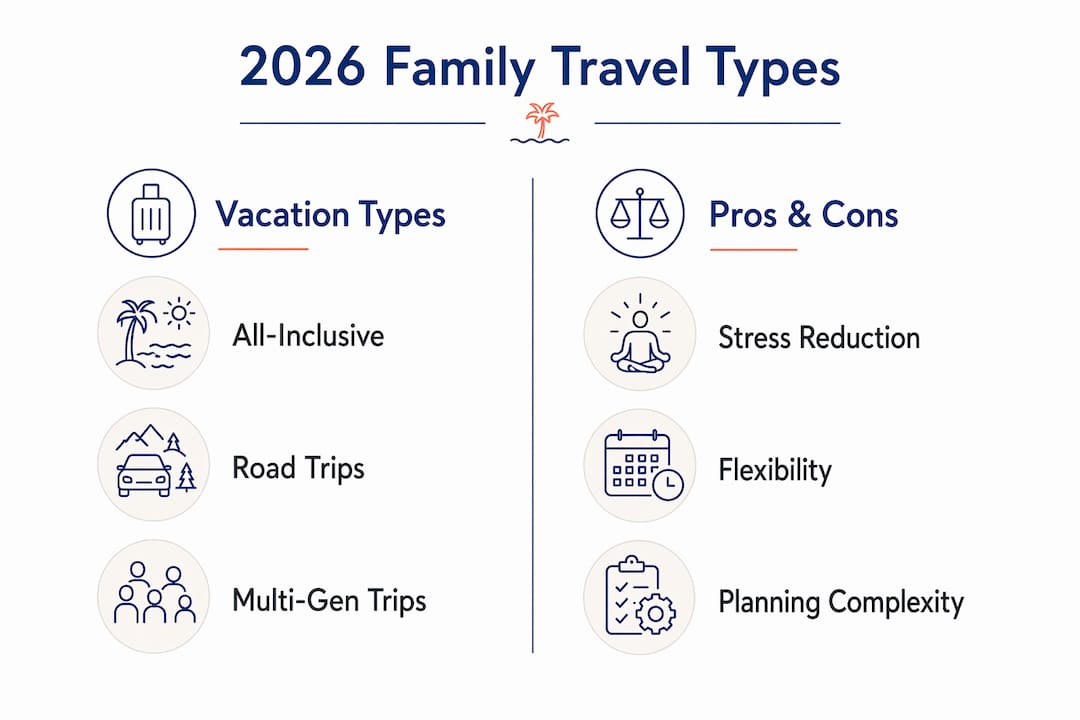
The types of luxury family trips that deliver the most satisfaction in 2026 share one trait: they are designed around the family’s specific rhythm, not a generic itinerary.
Key takeaways
Family travel in 2026 rewards families who plan early, build in flexibility, and choose formats that reduce daily decisions rather than multiply them.
| Point | Details |
|---|---|
| Multi-generational travel is surging | 57% of parents now include grandparents, spreading costs and creating natural childcare. |
| Kidfluence drives destination choices | 78% of parents say children directly shape where and what the family does on vacation. |
| Budget buffers are non-negotiable | A 15–20% contingency fund covers the hidden costs that derail most family travel budgets. |
| Nothing days prevent burnout | One unscheduled buffer day per five travel days is the most effective antidote to family exhaustion. |
| Slow travel beats rapid multi-city trips | Compact, walkable destinations like Valencia and Edinburgh deliver more satisfaction with less logistical stress. |
What i have learned after years of watching families travel
The families who come back from vacation genuinely refreshed share one habit: they planned for rest, not just activity. Most families I work with arrive at the planning stage with a list of twenty things they want to do. My job is to help them cut it to twelve and add two “nothing days.” That edit alone changes the entire character of the trip.
Multi-generational travel looks perfect on paper and can be genuinely wonderful in practice, but it requires honest conversations before departure. Who pays for what? Who decides the daily schedule? What happens when the grandparents want to rest and the kids want to hike? Families that answer those questions at home have a dramatically better time than those who figure it out at the hotel.
Inheritourism is real, and I think it is one of the most underappreciated forces in travel planning. When you take your children to a place that shaped you, you are not just taking a vacation. You are handing them a reference point they will carry for decades. That is worth spending a little more time getting right.
The practical advice I give every family: choose your vacation format before you choose your destination. Decide whether you want flexibility or structure, immersion or convenience, adventure or rest. The destination follows from that decision. Families that start with a destination and work backward almost always end up with a trip that serves the place more than it serves the family.
Plan your 2026 family vacation with Elitetravelgroup
Elitetravelgroup has spent 35 years designing family trips that actually work, not just trips that look good in a brochure. Whether you are planning a multi-generational adventure through Europe, a slow travel base in a walkable city, or an adventure travel vacation built around what your kids genuinely love, the team at Elitetravelgroup builds every itinerary from scratch around your family’s specific needs.

Elitetravelgroup charges no service fees, offers a price match guarantee, and is available 24/7 from your first conversation to your return home. You can explore bespoke itinerary examples to see exactly how a customized family trip comes together, or reach out directly to start planning a 2026 vacation your family will talk about for years.
FAQ
What are family travel trends in 2026?
Family travel trends in 2026 center on multi-generational trips, kidfluence (children shaping vacation choices), slow travel in walkable cities, and a strong preference for stress-reducing formats like all-inclusive resorts and road trips.
How far in advance should families plan a 2026 vacation?
International family trips require a 6–12 month planning window, while domestic trips need at least 4–6 weeks to secure the best options and pricing.
What is “inheritourism” in family travel?
Inheritourism is the practice of adults recreating their own childhood travel experiences with their children, often updating those trips with eco-conscious or digital detox values. 73% of travelers say family traditions directly influence their travel style.
What are the best family travel destinations in 2026?
Valencia and Edinburgh are leading slow travel destinations for families in 2026, offering walkable layouts, strong cultural programming, and manageable logistics. US road trip routes like the Pacific Coast Highway and Blue Ridge Parkway are also surging in popularity.
How do all-inclusive resorts reduce family travel stress?
All-inclusive resorts with age-segmented kids’ clubs eliminate daily decision-making on meals, activities, and costs, giving parents genuine downtime while children stay engaged in supervised programming.
Recommended
- Luxury travel trends 2026: Personalized immersive journeys
- 6 Types of Luxury Family Trips for Unforgettable Travel
- Travel Advisors Share Their Mid-Year 2024 Travel and Booking Trends | Elite Travel
- Corporate travel trends 2026: Luxury insights (48% take 6+ trips)
