



TL;DR:
- European cruise destinations in 2026 are defined by port availability, scenic access, and cultural richness. Smaller ships will have better access due to growing port restrictions, rewarding planning and early bookings. Northern Europe offers distinct natural and cultural experiences with fewer crowds, making it a serious alternative to the Mediterranean.
The top European cruise destinations 2026 are defined by three factors: cultural depth, scenic access, and port availability. Italy alone handles nearly 25% of all European cruise traffic, anchored by Civitavecchia, Venice, and Naples. At the same time, new port restrictions in Barcelona, Amsterdam, and Cannes are reshaping which itineraries are even possible. Northern Europe is rising fast as a serious alternative, drawing travelers who want fjords and Baltic capitals instead of crowded Riviera beaches. Knowing which ports are open, which are capped, and which are worth your time is the difference between a great cruise and a frustrating one.
1. Which Mediterranean cruise destinations are most popular in 2026?
The Mediterranean remains the core of European cruising, and Italy sits at the top. Civitavecchia serves as Rome’s gateway port, offering direct access to the Vatican, the Colosseum, and Trastevere. Naples connects you to Pompeii, the Amalfi Coast, and Capri. Venice, despite ongoing debates about large ship access, remains one of the most photographed arrivals in the world.
Spain’s ports are equally compelling. Barcelona combines Gothic architecture with world-class food, though capacity cuts of 16% mean fewer passengers per day will experience it in 2026. Valencia and Palma de Mallorca are picking up the overflow, and both are genuinely worth the visit on their own terms. Palma’s cathedral and Valencia’s City of Arts and Sciences are not consolation prizes.
France’s Riviera ports add glamour to any itinerary. Marseille offers the Calanques National Park and a raw, authentic city culture that Nice and Cannes do not. Cannes itself now restricts ships to under 1,000 passengers, which actually works in your favor if you book the right vessel.
Greece leads Mediterranean cruise growth in 2026, with passenger traffic up 20% over 2025. Santorini, Mykonos, and Corfu are the headline ports, but each requires planning. Santorini enforces a daily visitor cap, and Corfu rewards travelers who skip the port town and head inland.
Pro Tip: Book shore excursions in Santorini before 8:00 AM. Early-morning visits beat the ferry crowds and give you the caldera views without the shoulder-to-shoulder experience.
| Port | Country | Key Restriction | Top Draw |
|---|---|---|---|
| Civitavecchia | Italy | None currently | Rome, Vatican, Colosseum |
| Barcelona | Spain | 16% daily capacity cut | Gothic Quarter, La Sagrada Família |
| Cannes | France | Ships under 1,000 passengers only | Riviera beaches, film festival venues |
| Santorini | Greece | 8,000 daily visitor cap | Caldera views, Oia village |
| Palma de Mallorca | Spain | None currently | Cathedral, old town, beaches |
2. What are the top Northern European cruise destinations gaining popularity?
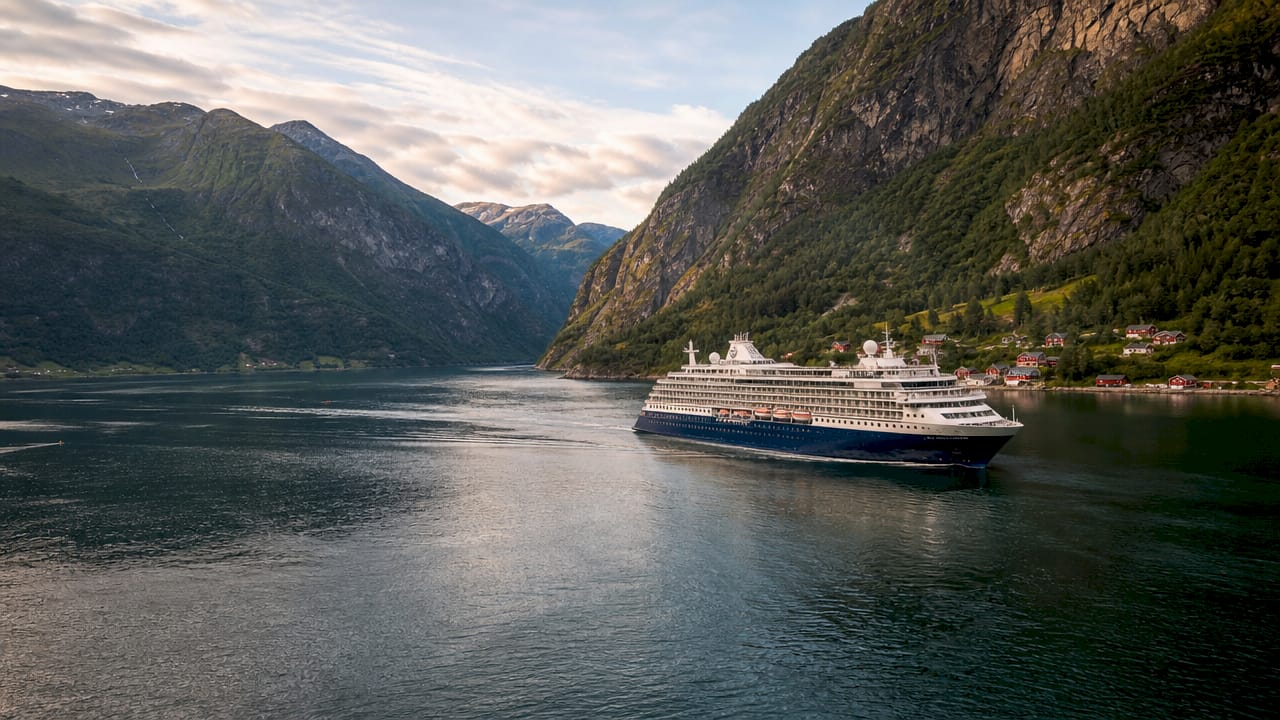
Northern Europe is rapidly emerging as a premier cruise region for travelers who want nature over nightlife. Norway’s fjords, particularly Geirangerfjord and Nærøyfjord, deliver scenery that no Mediterranean port can match. Glaciers, waterfalls, and mountain villages line the route in ways that feel genuinely remote even from the deck of a cruise ship.
The Baltic capitals form one of the most culturally rich circuits in European cruising. Copenhagen offers design, cycling culture, and Nyhavn’s iconic waterfront. Stockholm spreads across 14 islands and delivers one of the most dramatic harbor arrivals in the world. Helsinki is compact, architecturally striking, and far less crowded than its Scandinavian neighbors.
Germany’s Hamburg and Kiel serve as major embarkation points for Baltic itineraries. Hamburg is a world-class city in its own right, with the Elbphilharmonie concert hall and the Speicherstadt warehouse district worth a full day before you even board. Ireland’s Cork and Dublin are seeing rising cruise traffic, offering a softer, greener counterpoint to Scandinavian drama.
Pro Tip: The best window for Northern European cruises runs from june through august, when daylight lasts well past 10:00 PM in Scandinavia. Book at least 9–12 months ahead, as cabins on fjord itineraries sell out faster than Mediterranean routes.
| Destination | Country | Best Season | Key Appeal |
|---|---|---|---|
| Geirangerfjord | Norway | june–august | UNESCO fjord scenery, waterfalls |
| Copenhagen | Denmark | may–september | Design culture, Nyhavn harbor |
| Stockholm | Sweden | june–august | Archipelago arrival, Old Town |
| Helsinki | Finland | june–august | Architecture, less crowded |
| Dublin | Ireland | may–october | History, pub culture, coastal scenery |
3. How are 2026 port restrictions affecting European cruise itineraries?
Port restrictions in 2026 are the single biggest planning variable for cruise travelers. They are not obstacles so much as filters. They push larger, less thoughtful itineraries out and reward travelers who plan carefully.
The key restrictions to know:
- Barcelona is cutting daily cruise passenger capacity by 16% and closing two terminals. Travelers arriving on large ships may face longer waits and reduced shore time.
- Amsterdam has reduced annual cruise calls to a maximum of 100 per year, a 50% cut. Ships that do dock offer a far less crowded experience than in previous years.
- Cannes now bars any ship carrying more than 1,000 passengers. This restriction caused a 48% drop in large vessel visits since the rule took effect in january 2026.
- Venice continues its ban on large cruise ships entering the historic lagoon. Ravenna and Trieste serve as alternative embarkation points for Adriatic itineraries.
The practical effect is positive for travelers who adapt. Smaller ships access more ports, spend less time in queues, and attract a more engaged passenger base. Port restrictions tend to improve shore excursion quality by reducing crowds at key sites. Rotterdam replaces Amsterdam for many North Sea itineraries and is genuinely underrated, with world-class architecture and the Kinderdijk windmill network nearby.
4. What are the top tips for booking and enjoying European cruises in 2026?
Booking windows are getting longer. Travelers in 2026 prioritize immersive cultural itineraries over price, which means the best cabins on the best ships at the best ports fill up well ahead of departure. Waiting until spring to book a summer Mediterranean cruise is a losing strategy this year.
Key tips for getting the most from your 2026 cruise:
- Book early. Aim for 10–14 months ahead for peak summer sailings, especially on smaller ships targeting restricted ports.
- Choose ship size deliberately. Ships under 1,000 passengers guarantee docking rights at Cannes and access to smaller Greek island ports. Smaller ships also dock closer to city centers in many Northern European ports.
- Plan shore excursions before you board. Santorini, Mykonos, and Dubrovnik all have visitor management systems that reward early risers and penalize late planners.
- Consider river cruises for city-focused itineraries. River cruises dock directly in historic city centers, cutting transfer time and putting you inside the culture immediately. The Danube, Rhine, and Douro routes are particularly strong in 2026.
- Budget for eco-taxes. Several ports now charge per-passenger environmental fees. These are small individually but add up across a multi-port itinerary.
- Travel in shoulder season. Late april through may and september through october offer lower prices, thinner crowds, and comfortable temperatures across both Mediterranean and Northern European routes.
Pro Tip: For personalized cruise itineraries that account for 2026 port restrictions, work with a specialist who knows which ships have guaranteed docking rights at your target ports before you commit.
5. What makes family-friendly and luxury European cruises different in 2026?
Family-friendly European cruises in 2026 work best on itineraries that mix short port days with genuine downtime at sea. The Greek islands circuit, covering Athens, Santorini, Mykonos, and Rhodes, gives families history, beaches, and manageable distances between stops. Norwegian fjord routes offer a different kind of family experience: kayaking, hiking, and wildlife that children remember for years.
Luxury cruises in Europe in 2026 are defined less by ship size and more by access. A luxury cruise experience means private shore excursions, preferred docking positions, and itineraries built around what you want to see rather than what fits the largest number of passengers. The shift toward immersive travel preferences is reshaping what luxury even means on a cruise. It is no longer about the biggest ship. It is about the most meaningful stops.
For milestone celebrations, Mediterranean itineraries combining the Amalfi Coast, Dubrovnik, and the Greek islands deliver the visual drama and cultural weight that make anniversaries and milestone birthdays feel genuinely special. Elitetravelgroup specializes in exactly this kind of bespoke planning, building itineraries around your specific ports, dates, and preferences rather than a fixed catalog.
Key Takeaways
The best European cruise itineraries in 2026 combine early booking, deliberate ship selection, and port-specific planning to deliver richer, less crowded experiences across both Mediterranean and Northern Europe.
| Point | Details |
|---|---|
| Italy leads Mediterranean traffic | Italy handles nearly 25% of European cruise passengers, making its ports the most in-demand. |
| Port restrictions reward smaller ships | Cannes, Amsterdam, and Barcelona all limit access, favoring vessels under 1,000 passengers. |
| Northern Europe is a serious alternative | Fjords, Baltic capitals, and Irish ports offer nature and culture with fewer crowds than the Mediterranean. |
| Book 10–14 months ahead | Demand for immersive itineraries is pushing booking windows longer across all European routes. |
| River cruises maximize city access | Docking in historic city centers cuts transfer time and deepens cultural immersion on European routes. |
Why port restrictions are the best thing to happen to European cruising
I have been watching the European cruise market shift for years, and the 2026 port restrictions are the most interesting development in a long time. The conventional reaction is frustration. Fewer ships, smaller vessels, reduced capacity. But that framing misses the point entirely.
What Barcelona, Amsterdam, and Cannes are actually doing is pricing out the lowest-quality cruise experience. The traveler who wants to tick off six ports in seven days on a 5,000-passenger ship is not the traveler these cities want. And honestly, that traveler is not getting the best version of Europe anyway.
The travelers who benefit are the ones who plan with intention. A smaller ship in Cannes means you are one of a few hundred people walking the Croisette, not one of several thousand. An Amsterdam visit capped at 100 ships per year means the city feels like a city again, not a cruise terminal with a canal attached.
My honest advice: stop treating port restrictions as a problem to work around and start treating them as a quality signal. If a port is restricting access, it is because it is worth protecting. That is exactly where you want to spend your time.
Plan your 2026 European cruise with Elitetravelgroup
Elitetravelgroup has spent 35 years building the kind of relationships that get clients into the right cabin on the right ship at the right port. For 2026, that expertise matters more than ever.
The team at Elitetravelgroup designs luxury European cruise packages around your specific preferences, whether that means a private villa tender in Santorini, a pre-dawn fjord excursion in Norway, or a river cruise that docks steps from a Michelin-starred restaurant in Lyon. There are no service fees, a price match guarantee, and advisors available 24/7. If you are ready to plan a 2026 European cruise that actually delivers, connect with a cruise specialist at Elitetravelgroup today.
FAQ
Which European country has the most cruise passengers in 2026?
Italy handles nearly 25% of all European cruise passengers in 2026, with Civitavecchia, Venice, and Naples serving as the three primary hubs.
What ports have restrictions for cruise ships in 2026?
Barcelona has cut daily capacity by 16%, Amsterdam limits annual cruise calls to 100, and Cannes bars ships carrying more than 1,000 passengers since january 2026.
What is the best time of year for a Northern European cruise?
june through august is the optimal window, offering long daylight hours in Scandinavia and the most reliable weather across Baltic and Norwegian fjord routes.
Are river cruises worth it compared to ocean cruises in Europe?
River cruises dock directly in historic city centers, eliminating long transfers and providing immediate access to cultural sites. They are the better choice for travelers who prioritize authentic city experiences over beach stops.
How far in advance should I book a European cruise for 2026?
Book 10–14 months ahead for peak summer sailings. Demand for immersive, culturally focused itineraries is pushing booking windows longer, and the best cabins on smaller ships fill first.
