




A private cruise suite buys you five things a balcony cabin can’t: real square footage, priority access to nearly everything on the ship, dedicated service, entry into suite-only areas, and enough bundled perks to claw back a chunk of the price difference. That’s the case, in one sentence. Whether it’s worth the upcharge on your specific sailing depends on how long you’re onboard and how much you actually use what comes with it.
Here’s what you’re paying for when you book up:
- More space and privacy — separate living areas, multiple bedrooms, private verandas
- Priority everything — embarkation, tendering, specialty dining, disembarkation
- Dedicated service — a butler or concierge handling logistics you’d otherwise manage yourself
- Suite-only enclaves — private restaurants, lounges, and sundecks away from the main crowds
- Bundled inclusions — Wi‑Fi, drinks, gratuities, and excursion credits that offset part of the fare gap
- Faster loyalty status — some suite categories earn more points per night than standard cabins
The suite class ecosystem on lines like Celebrity, Norwegian, and MSC exists precisely because enough travelers found the trade worth making. As a rule of thumb, suites earn their keep fastest on sailings of seven nights or longer, for milestone trips, and for families who need more than one room. On a three-night port-hopping cruise where you’re barely in your cabin, the math gets a lot harder to justify.
Key Takeaways
A private cruise suite earns its premium through the combination of space, priority access, dedicated service, and bundled inclusions, not any single perk alone.
| Point | Details |
|---|---|
| Space and privacy | Suites run roughly 300 to 1,000+ square feet with separate living areas, best suited to families and milestone trips. |
| Priority access compounds on port days | Priority tendering, boarding, and disembarkation matter most on port-intensive itineraries, less on sea-day cruises. |
| Inclusions offset the price gap | Complimentary Wi‑Fi, dining, and drinks can meaningfully narrow the cost difference versus a balcony cabin. |
| Longer sailings favor suites | Seven nights or more lets bundled perks compound enough to justify the per-night premium. |
| Elite Travel matches suite to itinerary | Advisor-sourced promotions and no service fees help ensure the suite premium is actually worth paying for your trip. |
Table of Contents
- 1. Benefits of Private Cruise Suites for Priority Access
- 2. Benefits of Private Cruise Suites Through Space, Layout, and Privacy
- 3. Why Suite Location Improves Views and Ride Comfort
- 4. Cruise Suite Amenities and Dedicated Service Onboard
- 5. Exclusive Ship-Within-a-Ship Suite Enclaves
- 6. Included Perks That Offset the Cruise Suite Premium
- 7. How a Cruise Suite Speeds Up Loyalty Status
- 8. When a Private Cruise Suite Is Worth the Money
- 9. Drawbacks and Limits of Booking a Private Suite
- 10. What a Luxury Travel Advisor Adds to a Suite Booking
- When I Tell Clients a Suite Is Worth It
- How Elite Travel Helps You Book the Right Suite
- Frequently Asked Questions
- Sources
1. Benefits of Private Cruise Suites for Priority Access
The most underrated perk of a suite has nothing to do with the room itself. It’s what happens before you ever see it. Suite guests typically get dedicated check-in lanes at the terminal, expedited luggage handling, and priority boarding that can shave an hour or more off the embarkation crawl everyone else endures.
That same priority follows you through the whole trip. Suite guests usually get first crack at specialty dining reservations, spa time slots, and show seating, plus priority tender access at ports where the ship anchors offshore instead of docking. On disembarkation day, suite guests are often called first or given a dedicated lounge to wait in while everyone else queues at the gangway.
Where this actually matters is itinerary-dependent. On a port-intensive cruise hitting a new destination every day, priority tendering and early disembarkation translate into real hours of vacation time. On a sea-day-heavy Caribbean loop, the same perks barely register because there’s nowhere to rush to.
- Dedicated check-in and priority boarding lanes at the terminal
- First-priority tender access at ports without a dock
- Early or reserved seating for shows and specialty restaurants
- Priority disembarkation, sometimes with a dedicated lounge
Pro Tip: If your cruise includes a private shore excursion or a car service waiting at the port, priority disembarkation is where the suite premium quietly pays for itself. You’re in your transfer while other passengers are still in line for the gangway.
2. Benefits of Private Cruise Suites Through Space, Layout, and Privacy
Square footage is where the price tag becomes obvious, and where it’s easiest to justify. Suite cabins typically range from around 300 square feet up to 1,000-plus square feet, compared with a standard balcony cabin that often sits closer to 150 to 200 square feet. That difference isn’t cosmetic. It’s the gap between a single room with a bed and a chair, and an actual suite with a separate living area, a dining nook, and sometimes a second bedroom.
Privacy compounds that space advantage. Larger suites often sit in quieter corridors, away from high-traffic elevator banks, and some ship designs isolate suite decks behind key-card access points. Sound insulation tends to be better too, which matters more than people expect on a ship where cabin walls can be thin enough to hear a neighbor’s alarm clock.
A family of four traveling in a two-bedroom suite gets separate sleeping quarters for kids and parents, a shared living space for downtime, and enough room that nobody’s tripping over luggage for a week. That’s a fundamentally different trip than four people split across two cramped balcony cabins.
Suite size matters most for a specific set of travelers: families who need separation, couples celebrating an anniversary who want space to actually relax, and anyone on a long sailing where a cramped 180-square-foot cabin starts to feel like a submarine by day five.
- Separate living and sleeping areas instead of one multipurpose room
- Larger private verandas, sometimes with dining furniture or a hot tub
- Better sound insulation and quieter cabin placement
- Room to work, entertain, or simply spread out on sea days
3. Why Suite Location Improves Views and Ride Comfort
Suites don’t just occupy more space, they usually occupy better real estate. Forward-facing suites deliver dramatic bow views and a sense of open ocean that a mid-ship balcony can’t match. Aft suites often get sweeping wake views and, on many ships, larger wraparound verandas. Mid-ship suites trade some of that drama for the steadiest ride on the vessel.
That mid-ship positioning isn’t just about comfort, it’s physics. Cabins closer to a ship’s center of gravity experience less pitch and roll in rough seas, which is why mid-ship placement is often recommended for anyone prone to seasickness. Suite decks are frequently clustered in these prime positions specifically because the cruise line knows travelers paying a premium want the smoothest, most scenic real estate on the ship.
- Forward suites: dramatic bow views, more motion in rough seas
- Aft suites: wake views, often larger verandas, moderate motion
- Mid-ship suites: steadiest ride, best for motion sensitivity
- Elevated suite decks often include private outdoor access away from public decks
Premium placement also tends to come with quieter neighbors and less foot traffic, since suite decks are frequently segregated from the main passenger flow entirely.
4. Cruise Suite Amenities and Dedicated Service Onboard
This is the category that turns a nice cabin into an actual luxury experience. Standard suite amenities usually include upgraded linens, larger bathrooms with soaking tubs or rain showers, stocked minibars, premium toiletries, and often an in-suite espresso machine or coffee setup that beats hiking to the ship’s café every morning.
The bigger differentiator is staffing. Suite guests on many lines get access to a butler, a concierge, or both, and the distinction matters. A concierge typically handles reservations, itinerary questions, and problem-solving. A butler goes further: unpacking luggage, arranging in-suite breakfast, coordinating private dining, and sometimes escorting guests through disembarkation or a shore excursion. Before booking based on marketing copy alone, it’s worth asking directly about the butler-to-suite ratio on your specific ship, since one butler covering thirty suites delivers a very different experience than one covering eight.
On ultra-luxury lines like Regent or the top suite tiers on Viking, the butler experience is genuinely personalized, closer to a private hotel staff than a cruise perk. On some mainstream ships, “butler service” can mean a shared staffer stretched across a dozen or more cabins, which changes what you should realistically expect.
- Upgraded linens, bathroom fixtures, and premium toiletries
- In-suite coffee or espresso setup and a stocked minibar
- Butler service for unpacking, dining coordination, and daily requests
- 24/7 support lines specific to suite guests on many premium ships
5. Exclusive Ship-Within-a-Ship Suite Enclaves
The single biggest experiential shift in suite travel is access to spaces the rest of the ship can’t enter. Programs like Norwegian’s The Haven, MSC’s Yacht Club, and Celebrity’s The Retreat function as a ship within the ship: a private restaurant, a dedicated lounge, and often a private sundeck or pool reserved exclusively for suite guests. All-suite enclave concepts push this further, pairing a private VIP terminal, 24/7 butler service, and a dedicated restaurant into something closer to a boutique hotel that happens to be floating.
One firsthand account from a passenger who booked both a balcony and a suite on the same Royal Caribbean sailing described using the suite sun deck and lounge daily specifically to avoid the crowds elsewhere on the ship, calling the private dining and lounge access a genuine shift in how the trip felt day to day.
The value of an enclave isn’t abstract. It’s the difference between fighting for a pool chair on a 5,000-passenger megaship and walking straight to an open lounger on a deck where headcount is capped by suite inventory.
These spaces matter most on large ships with heavy passenger counts, on family sailings where quiet matters, and on any itinerary where you’d rather not spend vacation time competing for a spot at the buffet.
- Private restaurants with dedicated menus and quieter seating
- Suite-only lounges, often with complimentary drinks and snacks
- Reserved sundecks or pools away from general passenger areas
- Priority or exclusive access to thermal suites and spa areas on some ships
6. Included Perks That Offset the Cruise Suite Premium
The sticker price on a suite looks steep until you count what’s bundled in. Suites regularly include complimentary Wi‑Fi, specialty dining credits, beverage packages, prepaid gratuities, and sometimes onboard credit or shore excursion discounts that a balcony guest would pay for separately, night after night.
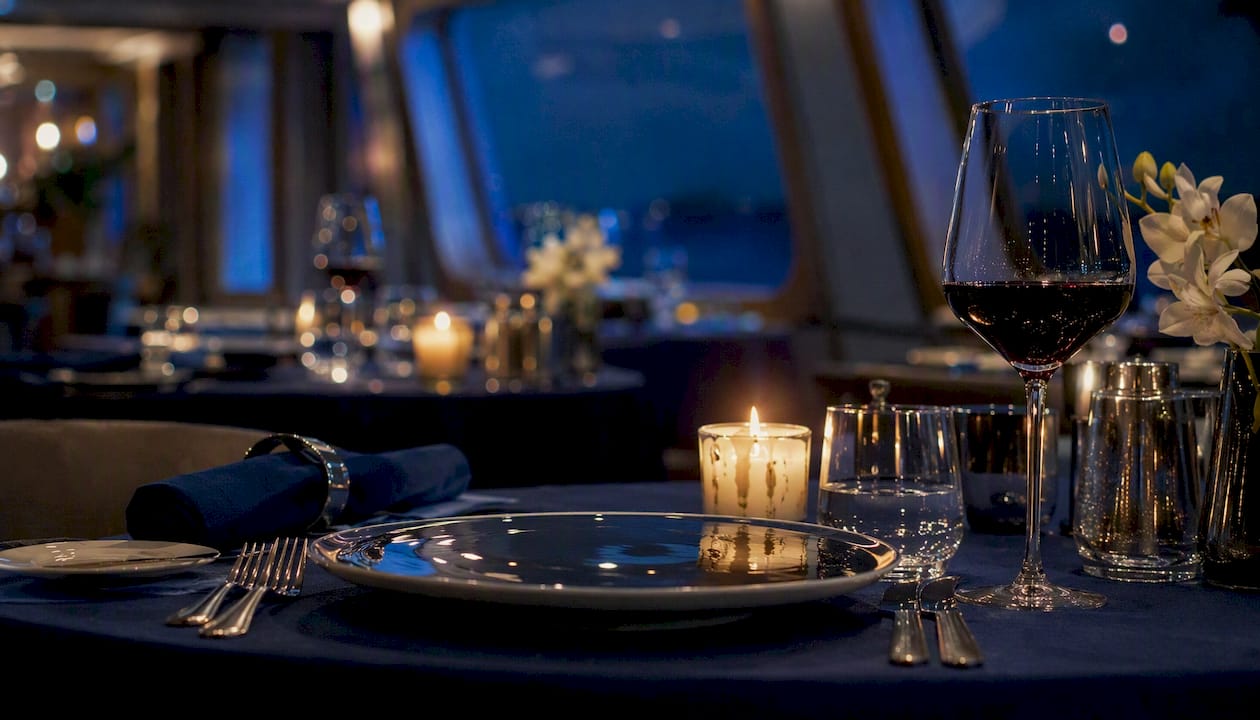
Run the numbers on a typical seven-night sailing. A premium drink package alone can run $80 to $100 per person per day on many mainstream lines. Add specialty dining at $40 to $60 a meal and Wi‑Fi at $20 or more daily, and a couple can easily spend several hundred dollars over a week on items that a suite fare often includes outright. That doesn’t erase the price gap entirely, but it narrows it more than most first-time suite shoppers expect.
| Inclusion | Balcony Cabin | Typical Suite |
|---|---|---|
| Wi-Fi | Paid add-on | Often included |
| Specialty dining | Pay per visit | Often included or credited |
| Beverage package | Paid add-on | Frequently included |
| Gratuities | Charged daily | Often prepaid |
| Laundry | Paid per item | Sometimes included |
Inclusions vary considerably by line and by suite tier, and ultra-luxury programs tend to bundle far more than entry-level suite categories on mainstream ships. Always confirm which perks are structurally included in the fare versus which are limited-time promotional add-ons, since the second category can disappear on your next sailing even if it was advertised on this one.
- Beverage packages and specialty dining credits
- Complimentary or discounted Wi‑Fi
- Prepaid gratuities built into the fare
- Onboard credit or shore excursion discounts on select sailings
7. How a Cruise Suite Speeds Up Loyalty Status
Suites don’t just improve the trip you’re on. On several cruise lines, they change how fast you climb the loyalty ladder for every trip after. Royal Caribbean’s suite and premium-class categories can earn noticeably higher Crown & Anchor points per night compared with standard staterooms, which means a single suite sailing can move you meaningfully closer to elite tiers that unlock free internet, cabin upgrades, and complimentary drinks on future cruises.
On a seven-night sailing, that points differential compounds fast. A couple who books one suite cruise instead of three standard cruises could reach a mid-tier loyalty status in a fraction of the time, assuming the program’s bonus structure applies to their specific suite category that year.
- Some suite categories earn multiples of standard-cabin loyalty points per night
- Higher status tiers can unlock free Wi‑Fi, drink packages, and priority booking windows
- Bonus point structures aren’t universal or permanent across every promotion
Before booking a suite purely for the points, confirm with the cruise line whether the bonus applies to your exact suite category and sailing, since some point boosts are promotional rather than a permanent feature of every suite booking.
8. When a Private Cruise Suite Is Worth the Money
Not every trip justifies the upgrade, and pretending otherwise does readers a disservice. The travelers who consistently get their money’s worth out of a suite share a few traits: they’re on a longer sailing, celebrating something specific, traveling as a family that needs multiple rooms, or they simply place a high value on quiet, service, and not waiting in lines.
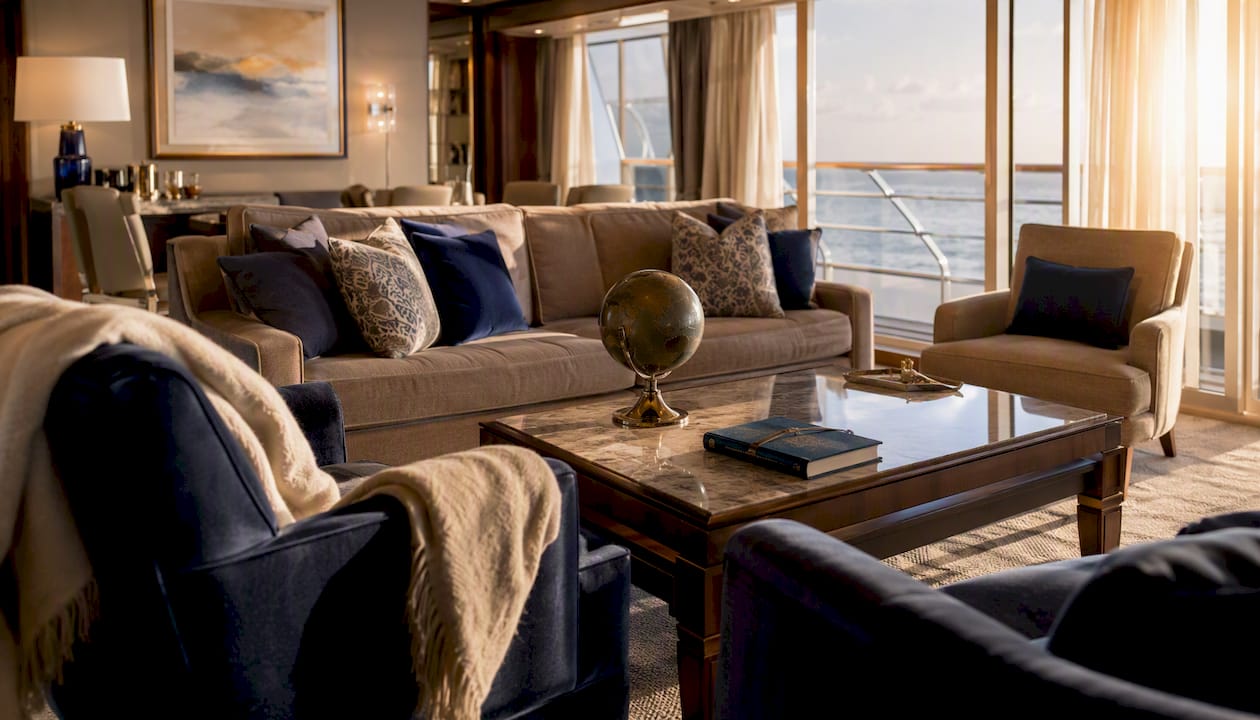
Comparison guides consistently point to sailings of seven nights or more as the break-even zone, since bundled inclusions like drink packages and specialty dining compound across more days, while the flat per-night premium stays roughly the same regardless of trip length.
Work through this before you upgrade:
- How long is the sailing? Seven nights or more strengthens the case considerably.
- How much time will you spend onboard versus in port? Sea-day-heavy trips favor suites; port-intensive trips favor priority perks over pure space.
- What’s actually included? Price out the Wi‑Fi, drinks, and dining you’d otherwise pay for separately.
- What’s the per-night price delta between the suite and your next-best cabin option?
- Does your traveler profile fit? Families, milestone trips, and travelers who value quiet all skew toward “yes.”
| Trip Profile | Suite Value |
|---|---|
| 7+ night sailing | Strong case, inclusions compound |
| Milestone celebration | Strong case, space and privacy matter |
| Family with kids | Strong case, multi-room layout helps |
| 3-4 night port-hopper | Weak case, limited time to use perks |
| Solo budget-focused cruiser | Weak case, premium mostly buys space alone |
Pro Tip: A rough way to sanity-check the upgrade is to price out what you’d spend on Wi‑Fi, drinks, and one specialty dinner per person, per day, then compare that total against the suite’s per-night premium. If the included perks cover a meaningful share of that gap, the suite is doing real financial work, not just buying square footage.
On a short, port-heavy trip where you’re barely in the cabin and skipping the drink package anyway, the suite premium is mostly paying for space and bragging rights, and that’s a legitimate reason to skip it.
9. Drawbacks and Limits of Booking a Private Suite
A fair look at suites has to include where they fall short, because the marketing rarely does. The most obvious drawback is price. Suite fares can run two to four times a standard balcony cabin, and that gap doesn’t always shrink even with bundled perks factored in.
Butler-to-suite ratios vary enormously and aren’t always disclosed upfront. A ship advertising “butler service” might mean one dedicated staffer for eight suites, or one stretched across thirty, and you often won’t know which until you’re onboard. Promotional inclusions are another soft spot: what’s marketed as included on one sailing may be a limited-time offer that quietly disappears on the next one, so what you booked isn’t always what a friend got six months earlier on the same ship.
- Steep price premium that doesn’t always fully offset with inclusions
- Inconsistent butler-to-suite ratios across ships and lines
- Promotional perks that vary by sailing date and aren’t guaranteed to repeat
- Limited suite inventory on smaller or older ships
- Higher expectations that can lead to disappointment if service falls short
Mainstream lines and ultra-luxury lines handle all of this differently, and expectations should shift accordingly. A suite on a mainstream megaship is a meaningful upgrade, not a five-star hotel experience. Before booking, ask directly about butler ratios, get inclusions confirmed in writing, and don’t assume every “suite” delivers the same experience just because the word appears on the deck plan.
10. What a Luxury Travel Advisor Adds to a Suite Booking
Booking a suite directly and booking one through an advisor who knows the ship aren’t the same transaction. A knowledgeable advisor sources promotions that aren’t always visible on public booking sites, times the reservation for the best available inventory, and can sometimes secure guaranteed benefits like onboard credit or a category upgrade that wouldn’t appear otherwise.
The value shows up in the details most travelers wouldn’t think to negotiate. That includes briefing the butler ahead of time on dietary restrictions or special occasions, pre-arranging private transfers that sync with priority disembarkation, and locking in specialty dining reservations before the ship even sails. Elite Travel’s concierge-level cruising guide covers how this kind of pre-planning changes the actual experience onboard, not just the price paid to get there.
- Sourcing promotions and inventory not visible through direct booking
- Securing guaranteed perks like onboard credit or category upgrades
- Pre-arranging butler briefings, dietary notes, and private transfers
- Timing bookings around the cruise line’s best release windows
Pro Tip: When the price gap between a suite and your target cabin feels too wide, an experienced advisor can sometimes close it with onboard credit, a promotional upgrade, or a bundled package add-on that isn’t advertised publicly. It’s worth asking before you assume the suite is out of reach.
When I Tell Clients a Suite Is Worth It
The clients who benefit most from a suite rarely book one for the square footage alone. It’s the couple celebrating a 25th anniversary who wants a quiet veranda breakfast instead of a crowded buffet. It’s the family of five who need two connecting rooms and can’t get that from any standard cabin configuration. It’s the traveler on a 10 or 12 night transatlantic crossing who knows they’ll be living in that cabin far longer than a typical weeklong Caribbean run.
One booking stands out: a family celebrating a milestone anniversary chose a suite specifically for the private dining access and the extra room to gather as a group each evening, and the suite’s separate living area ended up mattering more to how the trip felt than any single amenity on the list. That’s the pattern I see most often. The suite rarely wins on any one perk. It wins because several smaller advantages stack up across a full week or longer.
If you’re on the fence, the honest answer is this: suites earn their price on longer sailings, milestone trips, and family travel, and they’re a much harder sell on a quick three-night getaway where you’ll barely unpack.
How Elite Travel Helps You Book the Right Suite
Picking the right suite isn’t just about square footage, it’s about matching the ship, the itinerary, and the inclusions to what actually matters for your trip. Elite Travel has spent 35 years doing exactly that kind of matchmaking, and we charge no service fees and back every booking with a price-match guarantee, so upgrading to a suite never means overpaying for the privilege.
Because we work directly with cruise line partners, we often know which promotions are currently attached to specific suite categories, whether a butler-to-suite ratio on a given ship is actually generous, and how to time a booking so you’re not paying full rack rate for perks that could come bundled in a current offer. That’s the kind of detail that’s nearly impossible to find scrolling a booking site alone. If you’re weighing a suite for an upcoming anniversary, a family reunion, or a longer sailing you’ve been eyeing, our luxury cruise booking guide walks through how we approach the selection. When you’re ready to talk specifics, request a consultation for VIP vacation planning and we’ll help you figure out whether the suite premium on your exact sailing is worth paying.
Frequently Asked Questions
What are the main benefits of private cruise suites?
The core benefits are more living space, priority access to embarkation and reservations, dedicated butler or concierge service, entry to suite-only lounges and restaurants, and bundled perks like Wi‑Fi and dining that can offset part of the price premium.
Are private cruise suites worth it for a short cruise?
Generally not as much. Suites tend to deliver the best value on sailings of seven nights or longer, where included perks compound across more days. On a three or four night trip, you’re mostly paying for space and priority access rather than a fully offset premium.
Do all cruise suites come with a butler?
Not always, and ratios vary widely by line and ship. Some ultra-luxury programs offer a highly personalized butler experience, while some mainstream ships spread butler service across many more suites than travelers expect. Ask about the ratio before booking.
Do suites really earn more loyalty points?
On some programs, yes. Certain suite categories on lines like Royal Caribbean can earn notably more points per night than standard cabins, though the bonus structure isn’t identical across every promotion or sailing.
Is booking a suite through a travel advisor different from booking directly?
It can be. An advisor familiar with current cruise line promotions may secure guaranteed perks, better inventory, or added value that isn’t visible through a direct online booking, along with pre-arranged logistics like butler briefings and private transfers.
Sources
- Cruise ship suite advantages — The Points Guy
- Cruise cabin guide: interior, balcony, suite types, location and cost compared — DeepArrival
- I booked a balcony and a suite on the same Royal Caribbean cruise ship — Royal Caribbean Blog
- Celebrity Cruises Suites: The Retreat — Celebrity Cruises
- The Palace on Genting Dream Cruise — Exclusive suites & 24/7 butler service
Recommended
- Why choose luxury cruises for milestone celebrations
- 9 Examples of Exclusive Cruise Experiences Worth Booking
- Advantages of Concierge-Level Cruising: 2026 Guide
- Luxury Cruise Booking Guide: Curate Your Dream Voyage
