



TL;DR:
- A stress-free family vacation relies on realistic planning, age-appropriate pacing, and flexibility to reduce exhaustion. Starting planning early, limiting daily activities, and choosing family-friendly destinations help prevent common stress points. Building buffer time and having a reentry day protect the trip’s restorative benefits for everyone involved.
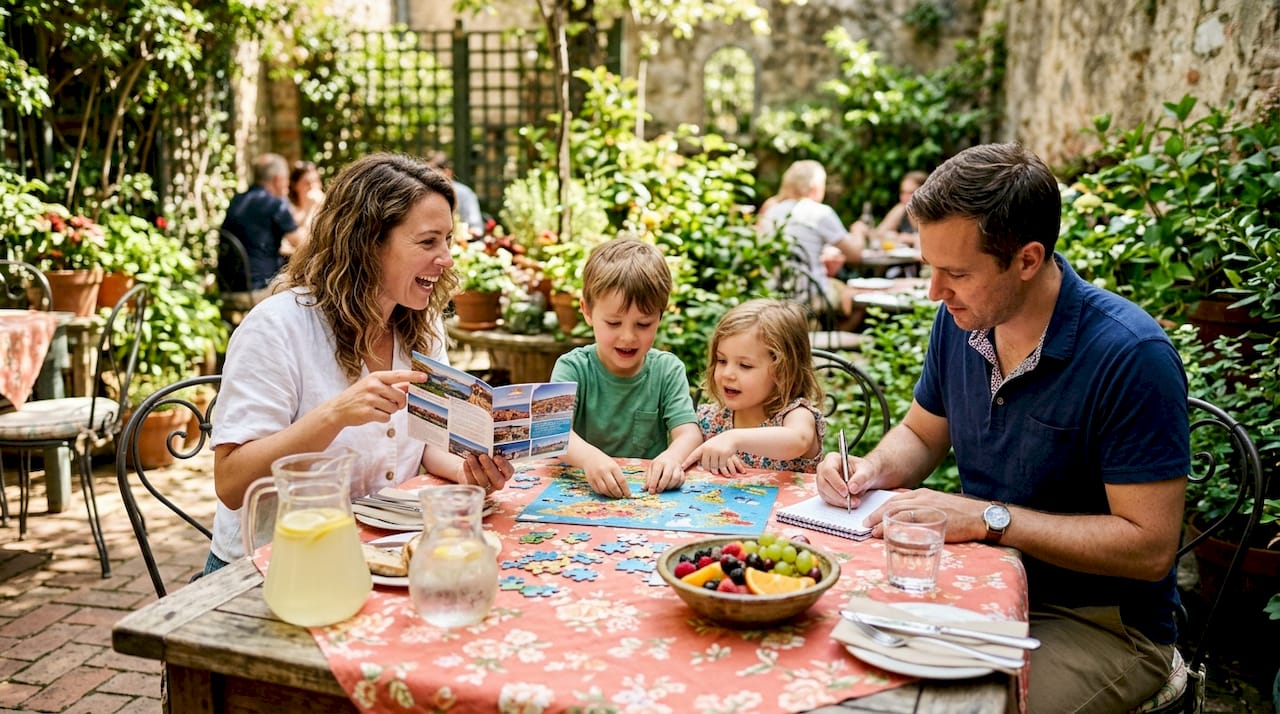
A stress-free family vacation is defined by realistic planning, age-appropriate pacing, and the flexibility to let go of perfection. Most family trip stress traces back to three root causes: booking too late, over-scheduling each day, and choosing destinations that don’t match the family’s actual needs. This guide to stress-free family vacations gives you a clear, step-by-step framework covering timelines, itinerary design, destination selection, packing, and the mindset shifts that separate a restorative trip from an exhausting one. Apply these strategies and your next family getaway becomes something everyone actually wants to repeat.
How far in advance should you plan a family vacation?
Planning timelines are the single most controllable factor in reducing family trip stress. Start too late and you pay more, choose less, and scramble on documents. Start at the right time and every decision feels calm.
The standard rule is straightforward:
- Standard domestic trips: Begin planning 12 weeks (3 months) out.
- International or peak-season travel: Start 4–6 months in advance.
- Passport processing: Routine applications take 4–6 weeks. Factor this in before anything else.
- Domestic flights: Book 1–3 months ahead for the best fares.
- International flights: Book 3–6 months out to avoid price surges.
The average family trip costs around $2,700, while a week-long domestic trip for two adults runs closer to $4,500. That number climbs fast when last-minute bookings replace planned ones. Setting fare alerts through your airline’s app or a flight-tracking tool locks in prices without daily manual searching.
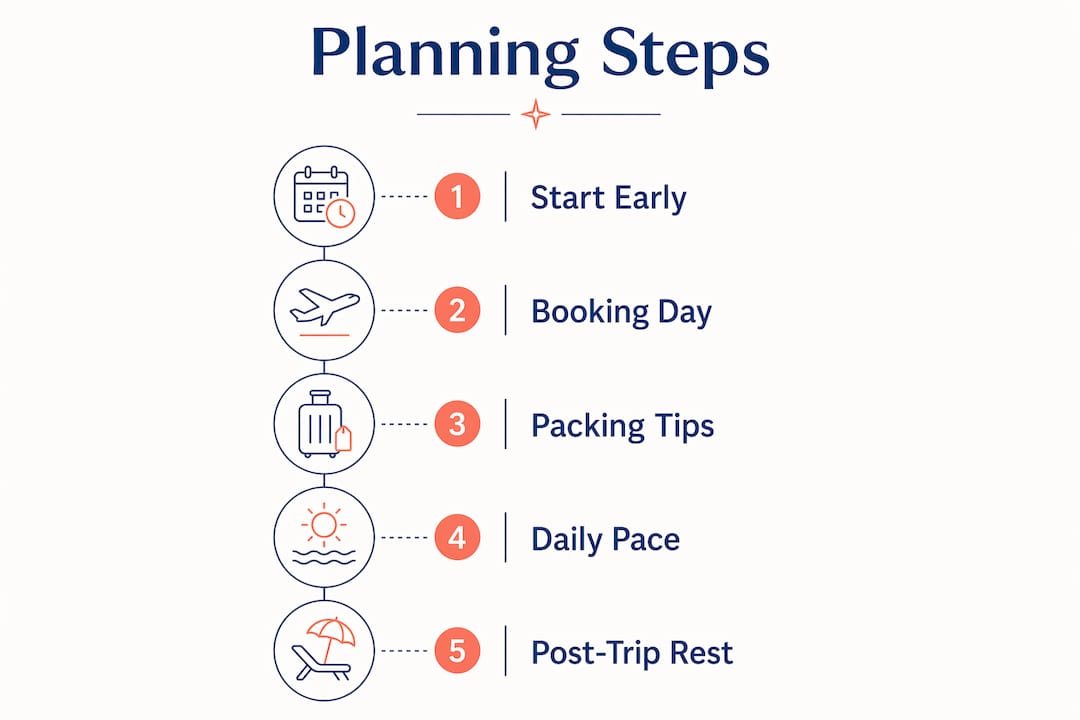
Pro Tip: Set a single “booking day” on your calendar 3 months before departure. Knock out flights, accommodations, and any required reservations in one focused session rather than spreading decisions across weeks.
Passports are the most overlooked planning item. If any family member’s passport expires within 6 months of your return date, many countries will deny entry. Check every passport the day you decide on a destination, not the week before you leave.
What are the best strategies for building a low-stress daily itinerary?
The most common itinerary mistake families make is treating every day like a highlight reel. A packed schedule feels exciting on paper and exhausting in practice. The fix is simple: limit activities to 1–2 main events per day when traveling with young children.
Pacing by age group is the core principle here. Match the day’s rhythm to your youngest traveler:
- Infants (under 12 months): Plan one outing per day maximum. Build in nursing, nap, and feeding breaks every 2–3 hours. Choose flights under 4 hours whenever possible.
- Toddlers (1–3 years): Two short activities work well. Prioritize outdoor spaces where movement is natural. Avoid long restaurant waits.
- School-age children (4–12 years): Two solid activities plus downtime. Include at least one activity they chose themselves.
- Teens: Give them genuine input on one activity per day. Autonomy reduces friction more than any other single tactic.
Matching pace to the youngest traveler is the primary factor preventing family burnout on vacation. This is not a compromise. It is the strategy that keeps everyone functional and happy through day five.
Downtime is not wasted time. An unscheduled afternoon at the hotel pool often produces the memories families talk about for years. Build at least one fully open block into every two days of travel.
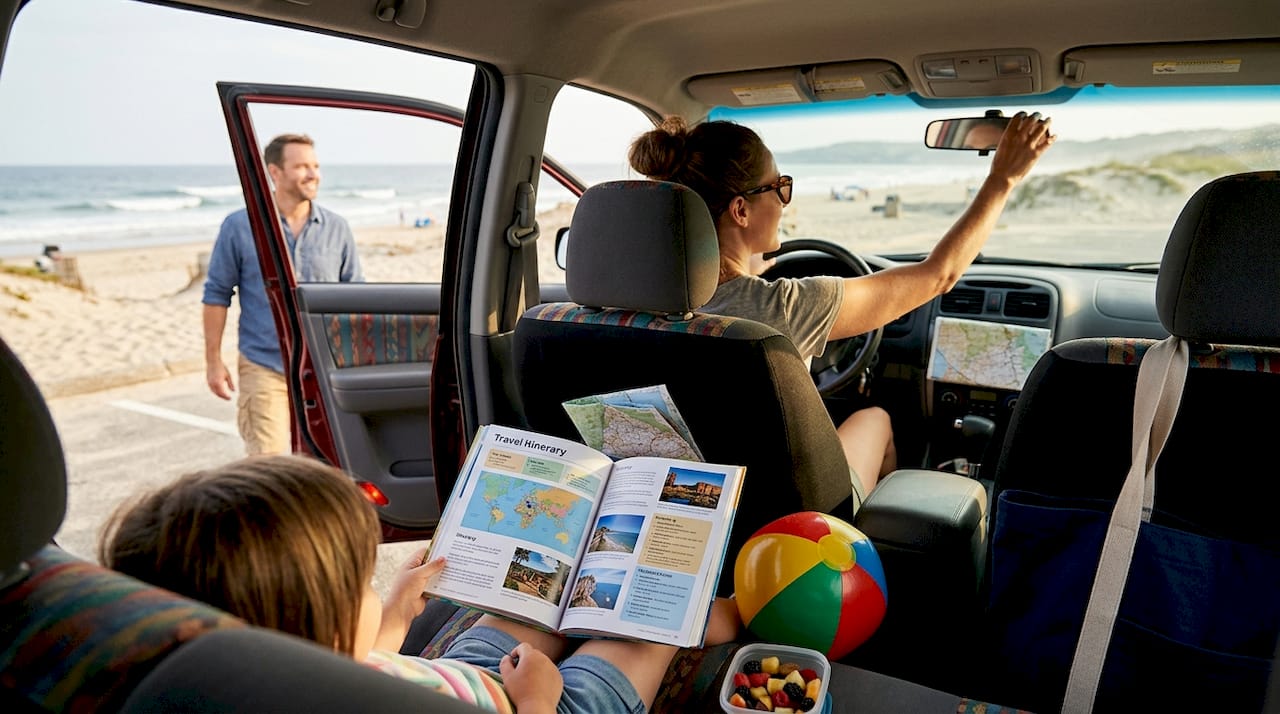
Pro Tip: Write your itinerary in pencil, not pen. List planned activities as options, not obligations. If the morning runs long, drop the afternoon plan without guilt.
How should families choose destinations and accommodations?
Destination choice determines how hard the rest of your planning has to work. A destination with kid-friendly infrastructure, mild weather, and accessible healthcare removes dozens of potential stress points before the trip begins.
The fly-and-flop vacation model is one of the fastest-growing approaches in family travel. The concept is simple: pick one place, stay there, and relax rather than hopping between cities. Fewer transitions mean fewer logistics, fewer meltdowns, and more genuine rest.
When evaluating destinations and lodging, prioritize these factors:
- Kitchen access: Vacation rentals with full kitchens cut food costs and give you control over meals for picky eaters or dietary needs.
- On-site amenities: Family resorts with pools, kids’ clubs, and dining options reduce the need to leave the property every day.
- Healthcare proximity: Know where the nearest clinic or hospital is before you need it.
- Travel time from home: Shorter travel days protect young children’s routines and your own energy.
- Climate predictability: Destinations with stable weather during your travel window reduce the chance of a ruined beach day or a cold snap.
Relaxing vacations require letting go of the need to “do it all.” The families who return home genuinely rested are the ones who chose depth over breadth, one great beach over five cities.
Ignore external pressure to visit the most photogenic or trendy destination. The right destination for your family is the one that matches your children’s ages, your budget, and your actual energy level. Elitetravelgroup specializes in matching families to destinations that fit their real needs, not just what looks good on a list.
What smart packing habits reduce travel day stress?
Packing is where good intentions meet reality. Most families overpack clothing and underpack the items that actually prevent crises. The goal is a bag that handles the unexpected without weighing you down.
Travel day essentials vs. checked bag items
| Category | Travel Day Bag | Checked Bag |
|---|---|---|
| Food | Snacks, water bottles | Specialty items |
| Health | First-aid kit, medications | Backup prescriptions |
| Comfort | Comfort objects, headphones | Extra toys |
| Documents | Copies of passports, insurance | Originals in hotel safe |
| Tech | Chargers, tablets, power bank | Adapters |
Packing a first-aid kit and comfort items prevents the most common sources of in-transit stress. A child’s favorite stuffed animal or blanket costs nothing to pack and buys hours of calm on a long flight.
A few rules that make travel days dramatically easier:
- Plan stops or breaks every 2–3 hours on road trips. Skipping breaks to “make time” reliably backfires.
- Keep the first and last days of any trip simple. Avoid scheduling major activities on arrival or departure days.
- Use a printed or digital checklist. Checklists reduce last-minute stress by moving tasks out of your head and onto paper.
For families preparing a road trip, this guide to car vacation prep covers packing logistics in practical detail.
Pro Tip: Pack one complete change of clothes for each child in your carry-on. Checked bag delays happen. A child in wet or soiled clothes for a 6-hour layover is avoidable.
How can families stay flexible and enjoy trips when things go wrong?
Building buffer time into your schedule is the structural version of flexibility. It means leaving gaps between activities, not booking the last possible flight home, and resisting the urge to fill every hour. Buffer time turns a delayed train from a disaster into a minor inconvenience.
The mindset shift matters just as much as the schedule. Families who return from trips feeling restored share one common trait: they stopped trying to execute a perfect trip and started focusing on connection.
Practical ways to protect your family’s enjoyment when plans change:
- Reframe mishaps immediately. A wrong turn that led to a great local restaurant is a story, not a failure.
- Let family members choose. When a child picks the afternoon activity, they invest in it. Complaints drop.
- Lower the bar on meals. Grocery store picnics and pizza nights are not failures. They are often the most relaxed moments of the trip.
- Plan a reentry day. Schedule a transition day after returning home before going back to work or school. Reserve an hour of that day for groceries, laundry, and email. This protects the restorative effect of the vacation.
Successful family vacations focus on connection over accomplishment. The families who enjoy travel most are the ones who accept that mishaps become the stories they tell for years.
The post-trip reentry day is the most underused tool in family travel planning. Returning home on a Sunday night and going straight back to a full Monday schedule erases the vacation’s benefits within 48 hours. One buffer day changes that outcome completely.
Key Takeaways
Stress-free family travel requires matching your planning timeline, daily pace, and destination choice to your youngest traveler’s actual needs, not your ideal itinerary.
| Point | Details |
|---|---|
| Start planning early | Standard trips need 12 weeks; international travel needs 4–6 months, including passport checks. |
| Pace to the youngest | Limit activities to 1–2 per day for young children to prevent burnout and family friction. |
| Choose the right destination | Prioritize kid-friendly amenities, stable weather, and short travel times over trendy locations. |
| Pack for crises, not comfort | Carry snacks, a first-aid kit, comfort objects, and document copies in your travel day bag. |
| Build in buffer time | Leave gaps in your schedule and plan a reentry day after returning home to preserve rest. |
What I’ve learned from watching families travel well and badly
The families I’ve seen return from trips genuinely happy share one habit: they planned for the trip they actually have, not the trip they imagined. That means accounting for a toddler who naps at noon, a teen who needs 30 minutes of quiet, and a parent who hits a wall by 4:00 PM.
The conventional advice to “be spontaneous” sounds freeing but often backfires without structure underneath it. Spontaneity works when the basics are locked in. When flights, accommodations, and one anchor activity per day are confirmed, everything else can flex. That is the real meaning of flexible travel.
The hardest thing to let go of is the idea that a great family vacation looks a certain way. Social media has made this worse. Families arrive at destinations trying to recreate photos rather than have experiences. The best trips I’ve witnessed had at least one day that looked nothing like the plan and everything like a real family having a real time together.
Post-trip reentry is where most families lose the gains they made. Coming home to a full inbox, an empty fridge, and school prep on the same day you land is a design flaw, not bad luck. One buffer day fixes it. It is the simplest, most ignored piece of family travel advice I know.
How Elitetravelgroup designs trips families actually enjoy
Elitetravelgroup has spent 35 years building itineraries that work in practice, not just on paper. Every family trip the team designs accounts for children’s ages, pacing needs, and the kind of rest the parents actually need, not just the highlights.

Elitetravelgroup’s concierge approach means your family’s accommodations, activity timing, and travel days are structured around your specific situation. The team handles kid-friendly hotel selection, activity pacing, and on-the-ground support so you are not problem-solving on vacation. For families ready to travel without the logistics burden, Elitetravelgroup’s luxury family adventure packages offer fully planned, personalized experiences with no service fees and a price match guarantee. You can also browse bespoke itinerary examples to see how customized planning translates into real trips.
FAQ
How far in advance should I book a family vacation?
Book standard trips 12 weeks out and international or peak-season travel 4–6 months in advance. Check all passports on the day you decide to travel, since routine processing takes 4–6 weeks.
How many activities should families plan per day?
Limit daily plans to 1–2 main activities when traveling with young children. Fewer planned activities reduce pressure and leave room for the spontaneous moments families remember most.
What is a fly-and-flop vacation?
A fly-and-flop trip means choosing one destination and staying there to relax rather than moving between multiple locations. This approach cuts logistics, reduces transitions, and is one of the most effective stress-free travel ideas for families.
What should always go in a carry-on for family travel?
Pack snacks, a first-aid kit, comfort objects, chargers, medications, and copies of travel documents in your carry-on. Include one full change of clothes per child to handle delays or spills before checked bags arrive.
How do families recover well after a vacation?
Plan a reentry buffer day between returning home and resuming normal schedules. Use one hour of that day for groceries, laundry, and inbox tasks to avoid the stress spike that erases vacation benefits.
