



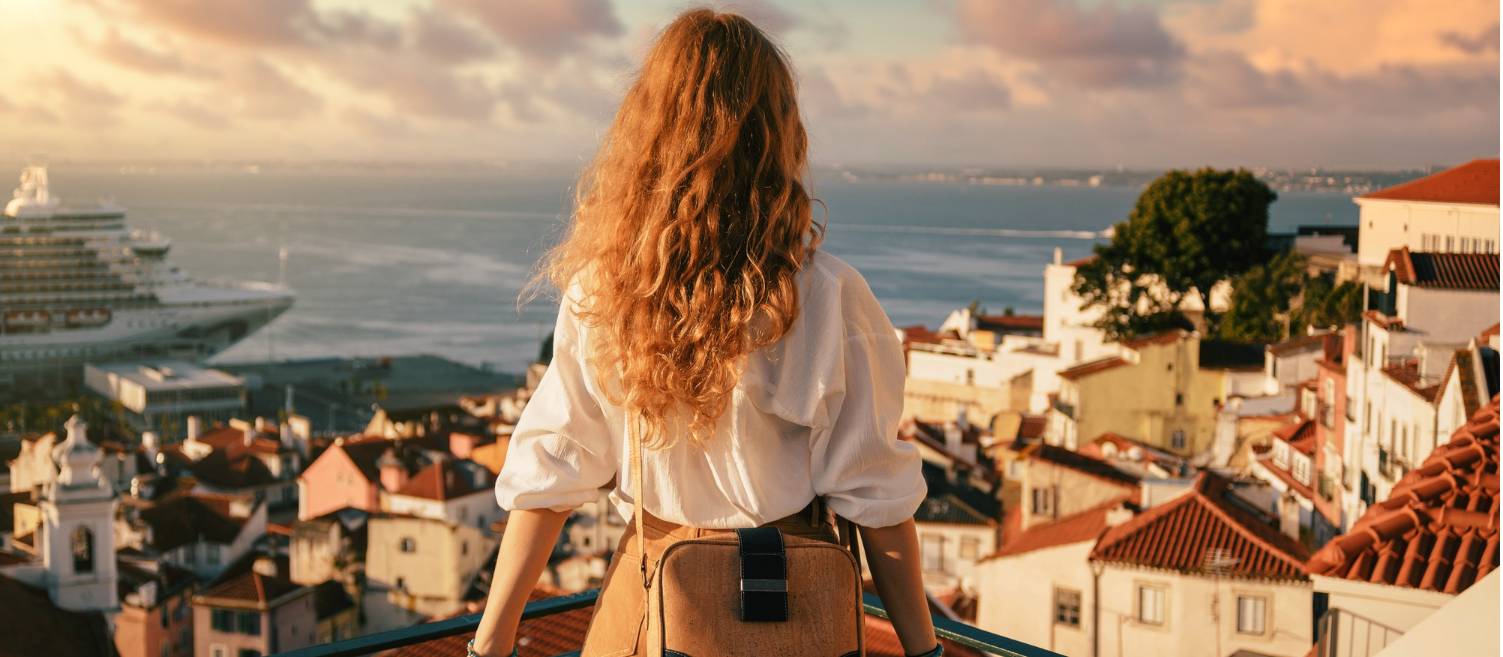
Lisbon: Where Old-World Charm Meets Atlantic Light
Lisbon is a sun-drenched coastal capital of tiled facades, hilltop viewpoints, soulful Fado music, and winding cobblestone streets that tumble down to the Tagus River. One of the oldest cities in Europe, it blends ancient history, Age of Discovery glory, and a buzzing modern food and nightlife scene.
Highlights of Lisbon
– Baixa & Rossio: Lisbon’s elegant downtown, rebuilt after the 1755 earthquake, with grand plazas, patterned pavements, and lively cafés.
– Alfama: The city’s oldest quarter, a maze of narrow lanes, hidden courtyards, viewpoints, and traditional Fado houses.
– Belém: Historic waterfront district where explorers once set sail; home to Jerónimos Monastery, Belém Tower, and the original Pastéis de Belém bakery.
– Chiado & Bairro Alto: Chic boutiques and bookstores by day, vibrant bars, rooftop lounges, and live music by night.
– 25 de Abril Bridge & Cristo Rei: Lisbon’s iconic red suspension bridge and the towering Christ statue watching over the city and river.
– Tram 28: The classic yellow tram rattling through the steepest hills and most historic neighborhoods – a moving postcard.
Call Elite Travel at (727) 726-9090 to book your trip today.
15 Fun Facts about Lisbon:
Questions and Answers about Lisbon:
- Where is Lisbonlocated?
-Lisbon sits on Portugal’s west coast, at the mouth of the Tagus River, opening onto the Atlantic Ocean. - Why is Lisbon considered one of the oldest cities in Europe?
-Because it has been continuously inhabited for millennia—Phoenicians, Romans, Moors, and Portuguese have all left their mark here. - What is Lisbon best known for?
-Lisbon is known for its yellow trams, Fado music, tiled buildings, historic neighborhoods like Alfama and Belém, sweeping river views, and its famous custard tarts,pastéis de nata. - What is Tram 28 and why is it so popular?
-Tram 28 is a historic yellow streetcar that winds through Lisbon’s most picturesque neighborhoods, offering a scenic, “mini city tour” ride for the price of a tram ticket. - What happened in the 1755 Lisbon earthquake?
-A powerful earthquake, followed by fires and a tsunami, devastated the city, destroying most of its buildings and prompting a complete redesign of the downtown area. - What is special about the BaixaPombalinadistrict?
-Baixa Pombalina is Lisbon’s rebuilt downtown, designed with straight streets, grand squares, and early earthquake-resistant construction techniques, making it unique in urban planning history. - Where can I try the originalpastéisde nata?
-Head to the Belém district, where the original bakery has been serving these warm, flaky custard tarts according to a closely guarded secret recipe since the 19th century. - Why does the 25 de Abril Bridge look like the Golden Gate Bridge?
-Both are red suspension bridges with similar structural designs, which is why Lisbon’s bridge is oftenaffectionately compared to the Golden Gate. - What is the best way to get around Lisbon?
-A mix of walking, trams, metro, and funiculars works best. Many visitors explore on foot in flatter areas and use public transport or taxis for the steepest hills. - Is Lisbon a good base for day trips?
-Yes. Popular day trips include fairy-tale Sintra, the seaside town of Cascais, and the dramatic cliffs of Cabo da Roca, the westernmost point of mainland Europe. - What kind of food is Lisbon famous for?
-Lisbon is famous for fresh seafood (sardines, cod, octopus, clams),petiscos (Portuguese tapas), and classic pastries like pastéis de nata. - Is Lisbon a walkable city?
-Yes, butit’s hilly. Neighborhoods like Baixa and Chiado are very walkable, while Alfama and Bairro Alto involve more stairs, slopes, and cobblestones. - When is the best time to visit Lisbon?
-Spring (April–June) and fall (September–October) are ideal, with warm, sunny weather and lighter crowds than midsummer. - Is Lisbon safe for travelers?
-Lisbon isgenerally very safe. As in any major city, visitors should watch out for pickpockets in crowded areas, but serious crime against tourists is relatively rare. - What makes Lisbon unique compared to other European capitals?
-Lisbon combines ancient history, Atlantic beaches, iconic trams, soulful Fado, world-class cuisine, and a laid-back, sun-kissed vibe—often at more accessible prices than many other Western European capitals.
Call Elite Travel at
(727) 726-9090 to book your trip today.