



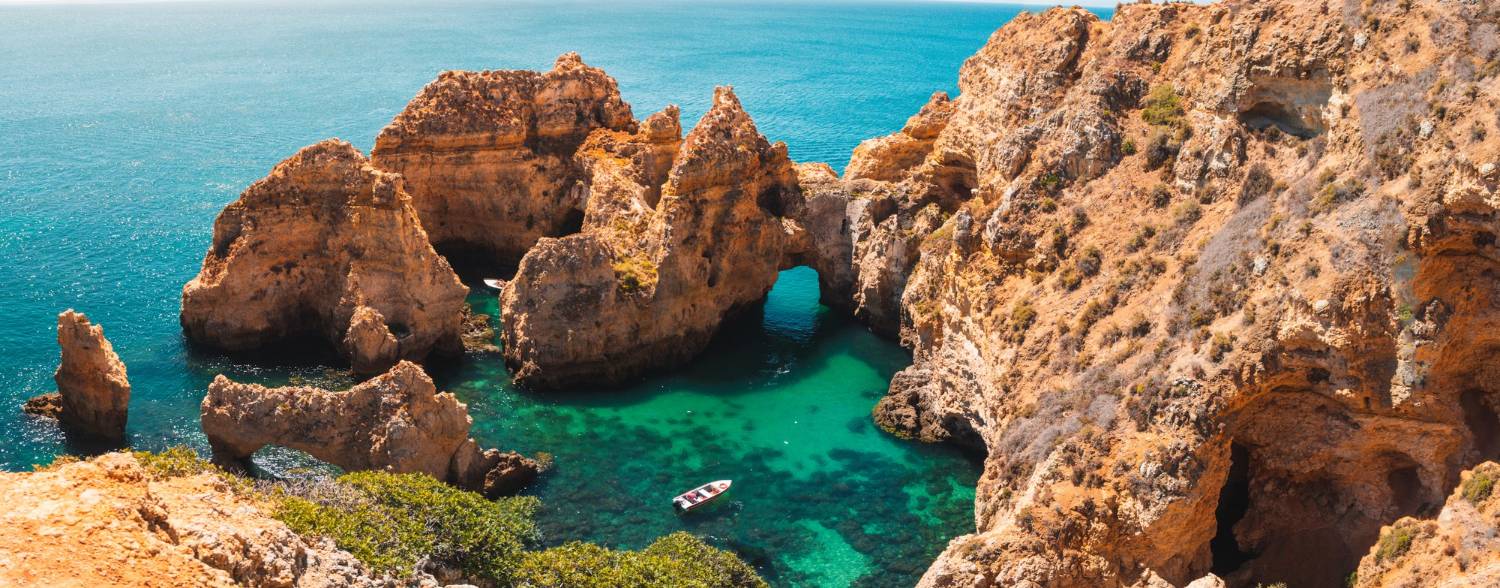
Faro : Gateway to the Algarve and the Ria Formosa
Faro is the charming capital of Portugal’s Algarve region, where whitewashed streets, historic city walls, and a pretty marina meet the shimmering waters of the Ria Formosa lagoon. More than just an airport stop, Faro offers a relaxed, authentic atmosphere, a beautifully preserved Old Town, and easy boat access to some of the Algarve’s most unspoiled island beaches.
Highlights of Faro
– Old Town (Cidade Velha)
Enclosed by medieval walls, the Old Town is a maze of cobblestone streets, orange trees, and traditional houses, with hidden cafés and small boutiques tucked behind ancient stone arches.
– Faro Cathedral (Sé de Faro)
Rising over the Old Town, the Sé combines Gothic, Renaissance, and Baroque elements. Climb the tower for sweeping views over the city rooftops and the Ria Formosa lagoon.
– Ria Formosa Natural Park
A stunning lagoon and island system just beyond Faro, home to migrating birds, flamingos, and calm, clear waters. Boat trips take you through the channels and out to sandbank islands and deserted beaches.
– Island Beaches (Ilha de Faro, Culatra, Deserta & Farol)
Faro is the launch point for idyllic island escapes: soft sand, turquoise shallows, beach cafés, and a laid-back, “edge-of-the-world” feel on these barrier islands.
– Faro Marina & Waterfront
A scenic promenade lined with palm trees, outdoor cafés, and traditional boats—perfect for sunset strolls and people-watching.
– Igreja do Carmo & Bone Chapel
This elegant Baroque church hides a fascinating (and slightly eerie) ossuary chapel, where human bones and skulls are arranged decoratively along the walls.
– Museu Municipal de Faro
Located in a former convent, this museum showcases Roman mosaics, archaeological finds, and art that bring the region’s long history to life.
Call Elite Travel at (727) 726-9090 to book your trip today.
15 Fun Facts about Faro:
1. Capital of the Algarve:
Faro is the official capital of the Algarve region and the main entry point for many visitors arriving by air.
2. Ancient roots:
The city’s history goes back to Roman times, when it was known as Ossonoba, an important trading port.
3. Moorish influence:
Faro spent centuries under Moorish rule, which shaped its street layout, defensive walls, and some of its architectural details.
4. City within the walls:
The Old Town (Cidade Velha) is still enclosed by medieval walls, with gateways like Arco da Vila providing a dramatic entrance from the marina.
5. Ria Formosa’s natural wonder:
The Ria Formosa lagoon is a protected natural park comprising islands, marshes, and sandbanks, famous for its biodiversity and birdlife.
6. Storks on the rooftops:
It’s common to see large stork nests perched on chimneys, church towers, and street lamps around Faro and the Ria Formosa.
7. Island-hopping paradise:
From Faro, you can reach several different islands by boat—each with its own character, from lively beach bars to almost-deserted strips of sand.
8. Bone chapel curiosity:
The Capela dos Ossos (Bone Chapel) at Igreja do Carmo is decorated with the bones and skulls of monks, arranged in patterns as a reminder of life’s fragility.
9. Roman mosaic treasure:
Faro’s municipal museum houses a well-preserved Roman mosaic, thought to depict the sea god Oceanus, found during excavations in the city.
10. Not just an airport city:
Although many travelers only pass through Faro on their way to beach resorts, the city itself has become a favorite short-break destination for those in the know.
11. Traditional seafood:
Faro’s restaurants serve classic Algarve seafood dishes, from grilled fish and clams to cataplana (a seafood stew cooked in a clam-shaped copper pot).
12. Walkable and compact:
Faro’s historic center is compact and easy to explore on foot, with most sights, cafés, and the marina located close together.
13. Laid-back nightlife:
Instead of huge clubs, Faro offers a more relaxed nightlife scene with wine bars, terrace cafés, and live music in tucked-away squares.
14. Student city energy:
Faro is home to a university, which brings a young, lively energy and helps keep the bar and café scene vibrant year-round.
15. Gateway to the rest of the Algarve:
From Faro, it’s easy to reach other Algarve hotspots like Lagos, Albufeira, and Tavira by train, bus, or car—making it a perfect base or starting point.
Questions and Answers about Faro:
1. Where is Faro located?
Faro is in southern Portugal, on the coast of the Algarve region, facing the Ria Formosa lagoon and the Atlantic.
2. What is Faro best known for?
Faro is known as the capital of the Algarve, a gateway to beautiful island beaches, and a city with a charming walled Old Town, a pretty marina, and the Ria Formosa Natural Park on its doorstep.
3. Is Faro just an airport city?
No. While Faro Airport is a central hub, the city itself offers a historic center, a waterfront, museums, and island excursions, making it well worth a few days’ stay.
4. What is the Ria Formosa, and why is it special?
Ria Formosa is a protected lagoon system with islands, sandbanks, and marshes, rich in birdlife and marine life. It’s ideal for boat trips, birdwatching, and visiting secluded beaches.
5. Can you swim at the beach in Faro?
Yes. You can take a short drive or bus to Praia de Faro (on Ilha de Faro) or catch a ferry to islands like Culatra or Deserta for long sandy beaches and clear waters.
6. Is Faro a good base for exploring the Algarve?
Absolutely. Faro is centrally located for reaching other Algarve towns by train, bus, or car, while still offering its own attractions and more local, authentic charm.
7. What can I see in Faro’s Old Town?
In the Old Town, you’ll find Faro Cathedral, quiet cobblestone streets, small squares, traditional houses, sections of the old city walls, and restaurants tucked inside historic buildings.
8. What is the Bone Chapel in Faro?
The Bone Chapel (Capela dos Ossos) is part of Igreja do Carmo. Its interior walls are lined with human bones and skulls, creating a striking and unusual religious space.
9. Is Faro walkable?
Yes. The Old Town, marina, main shopping streets, and many restaurants are easily reached on foot. To get the islands, you’ll need a car, bus, or boat.
10. What kind of food should I try in Faro?
Try fresh grilled fish, clams in garlic and white wine, seafood cataplana, octopus dishes, and traditional Algarve sweets made with almonds, figs, and eggs.
11. When is the best time to visit Faro?
Spring and autumn are ideal, with warm, pleasant weather and fewer crowds. Summer is hotter and busier, especially on the beaches, but great for sun lovers.
12. Is Faro safe for travelers?
Faro is generally very safe. As in any tourist destination, basic precautions against pickpocketing and keeping an eye on belongings are recommended.
13. How do I get from Faro Airport to the city center?
You can take a taxi, a rideshare, a local bus, or a private transfer. The airport is only a short drive from the city center and the marina area.
14. How long should I stay in Faro?
Many visitors enjoy 2–3 nights in Faro, which allows time to explore the Old Town, take a boat trip in the Ria Formosa, and relax on one or two islands. You can easily stay longer if you use it as a base for the wider Algarve.
15. How does Faro compare to other Algarve towns?
Faro feels more local and historic than some of the larger resort towns. It has fewer big nightlife strips and more authentic streets, a university vibe, island beaches instead of high-rise beachfront, and easy access to the rest of the Algarve.
Call Elite Travel at
(727) 726-9090 to book your trip today.