



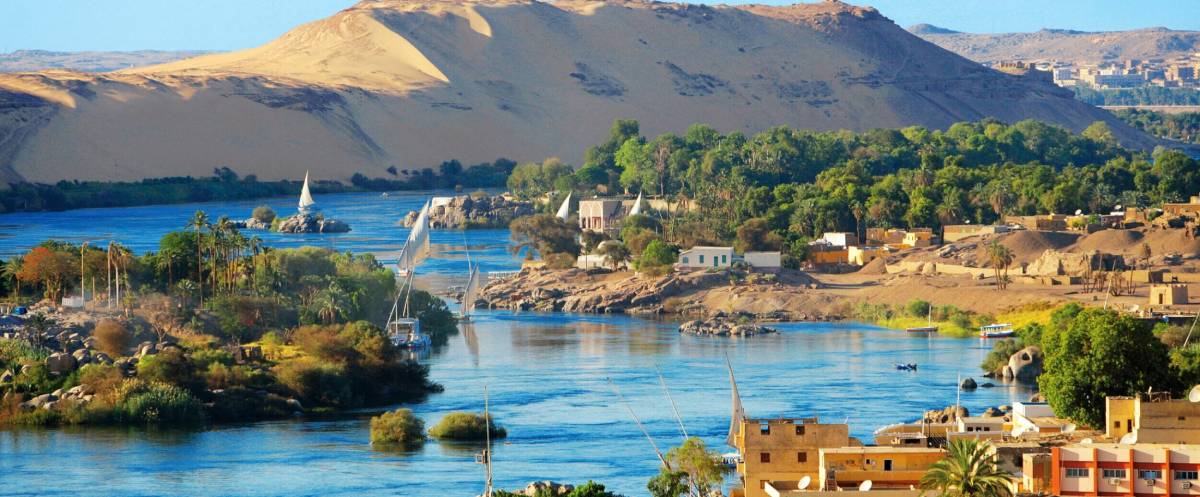
Aswan: Egypt’s Tranquil Nile Oasis
Aswan, located in southern Egypt along the Nile River, is known for its serene beauty, ancient temples, and rich Nubian heritage. A peaceful counterpart to bustling Cairo, Aswan offers a relaxed atmosphere and stunning views of the Nile, dotted with traditional felucca boats and picturesque islands. The city is a gateway to some of Egypt’s most impressive ancient monuments, including the temples of Philae and Abu Simbel. Aswan is perfect for travelers seeking history, cultural immersion, and a tranquil escape by the river.
Call Elite Travel at (727) 726-9090 to book your trip today.
Fun Facts:
- Aswan has been inhabited since antiquity and was known as Swenett in ancient times. It was a frontier town and gateway to Nubia.
- The Aswan High Dam, built in the 1960s, created Lake Nasser, one of the largest artificial lakes in the world.
- The city is famous for its rich Nubian culture, and you can visit colorful Nubian villages to experience their unique customs and traditions.
- Aswan is known for its scenic islands, including Elephantine Island, a significant trading hub during ancient Egypt’s Old Kingdom.
- The Temple of Philae, dedicated to the goddess Isis, was relocated to Agilkia Island after the construction of the Aswan High Dam to prevent it from flooding.
- The ancient quarries of Aswan supplied much of the granite used to build the pyramids and other monumental structures in ancient Egypt.
- Aswan is home to the Unfinished Obelisk, an enormous granite obelisk that was never completed. It offers insight into ancient stone-working techniques.
- The city’s mild winter climate is a popular destination during the cooler months.
- Aswan’s Aswan Botanical Garden, located on Kitchener’s Island, features exotic plants worldwide and is a peaceful spot for a stroll.
- The Nubian Museum in Aswan is a must. It showcases the history and culture of the Nubian people and the region’s ancient heritage.
- Abu Simbel, located near Aswan, is one of Egypt’s most famous archaeological sites, featuring colossal statues of Ramses II. The temples were also relocated to avoid flooding from the dam.
- The felucca, a traditional wooden sailboat, is the quintessential way to explore the Nile River in Aswan.
- The Nobles’ tombs, carved into the cliffs above Aswan, offer beautiful views of the Nile and the surrounding desert.
- Aswan is also known for its markets, where you can shop for local handicrafts, Nubian jewelry, spices, and traditional textiles.
Questions and Answers:
- When is the best time of year to visit Aswan?
– The best time to visit Aswan is during the cooler months, from October to April. The winter season offers pleasant temperatures for sightseeing and outdoor activities. Summer can be sweltering, with temperatures often exceeding 40°C (104°F). - What are the must-see sights in Aswan?
– Must-see sights include the Temple of Philae, the Unfinished Obelisk, Elephantine Island, the Nubian Museum, and the Aswan Botanical Garden. Don’t miss a day trip to the awe-inspiring Abu Simbel temples, among Egypt’s most impressive archaeological sites. - Is Aswan family-friendly?
– Yes! Aswan is a great destination for families. Children will enjoy the felucca boat rides on the Nile, exploring the ancient temples, and visiting the Nubian villages. The calm and relaxed atmosphere of the city makes it a peaceful place for family travel. - What adventure activities are available in Aswan?
– Adventure activities in Aswan include sailing on a felucca, camel rides to nearby monasteries or desert areas, and hiking around Elephantine Island. You can also explore the desert and archaeological sites or cruise the Nile River to Luxor. - Tell me about Aswan’s history and culture.
– Aswan has been an important cultural and trade center since ancient times, as a gateway to Nubia and Africa. Its Nubian heritage is still vibrant today, and visitors can experience the Nubian people’s colorful customs, traditional music, and cuisine. Aswan’s temples and monuments, including those of Philae and Abu Simbel, highlight the city’s significance in ancient Egyptian history. - Is Aswan a popular destination for destination weddings?
– While not a traditional wedding destination, Aswan’s stunning Nile views and historic sites, like the Philae Temple, offer unique and picturesque settings for intimate weddings or vow renewal ceremonies. - What group-friendly activities are available in Aswan?
– Groups can enjoy guided tours of the Philae Temple, boat trips to Elephantine Island, and visits to Nubian villages. A group excursion to Abu Simbel by plane or bus is also a popular activity. Group Nile cruises from Aswan to Luxor, with stops at Kom Ombo and Edfu temples, are highly recommended. - What is the local cuisine like in Aswan?
– Aswan’s cuisine blends Egyptian and Nubian flavors. Popular dishes include ful medames (fava beans), molokhia (a green soup made with jute leaves), and kebabs. You can try traditional Nubian bread, spiced stews, and lentil dishes in Nubian villages. Fresh fish from the Nile is also a specialty. - Are there any significant festivals in Aswan?
– The Sun Festival at Abu Simbel, held twice a year (February 22 and October 22), is a significant event in the region, attracting visitors to witness the sun aligning perfectly to illuminate the inner sanctum of Ramses II’s temple. Aswan also hosts the Nubian Cultural Festival, celebrating the Nubian people’s traditions, music, and dance. - Can you find luxury accommodations in Aswan?
– Yes, Aswan offers a range of luxury accommodations, including resorts with stunning views of the Nile. The Old Cataract Hotel, where Agatha Christie famously stayed while writing Death on the Nile, is one of the city’s most luxurious and historic hotels. Many luxury hotels provide Nile-facing rooms, elegant decor, and top-notch amenities.